For sudden weakness, difficulty speaking, seizures, severe headache, loss of consciousness, or other neurological emergencies, please seek immediate emergency medical care.
Get a Call Back Soon
Send Us a Message
Fill out the form below and our team will get back to you as soon as possible.
It was a very good consultation experience. The doctor carefully understood the MRI and the problem, explained the entire situation in simple language, and gave clear advice about the treatment options. Their behavior is very professional, calm, and patient-friendly
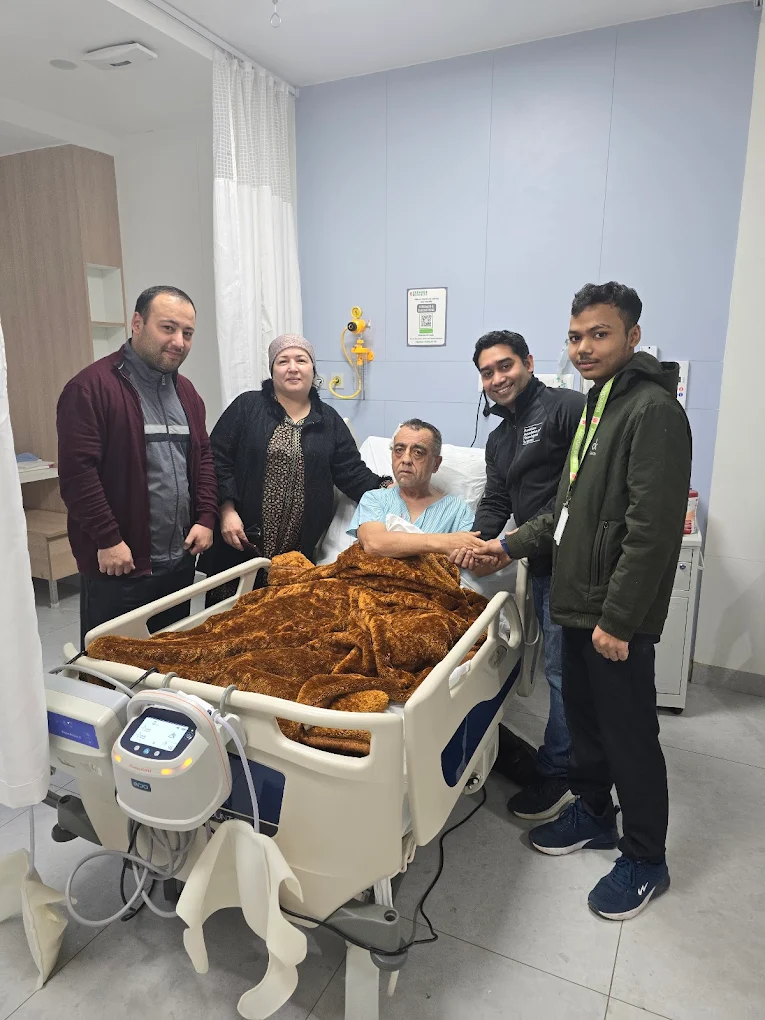
Dr. Dibya Jyoti Mahakul is truly the Best Spine Surgeon in East Delhi. I underwent endoscopic spine surgery under his care and experienced immediate pain relief soon after the procedure. His expertise, confidence, and compassionate approach made my recovery smooth and comfortable. I am now recovering very well and am extremely grateful for his outstanding treatment and support.
⭐⭐⭐⭐⭐
I am extremely grateful to Dr. Divya Jyoti Mahakaul for the outstanding care and expertise shown during my mother’s spinal surgery. The entire procedure was handled with such calmness, precision, and confidence that it gave our family a lot of reassurance during a very stressful time. His experience and dedication truly reflect in his work, and we couldn’t have asked for a better doctor.
I would also like to sincerely thank Dr. Tushar for being so kind, supportive, and approachable throughout the treatment. His friendly nature and willingness to help made the entire process much smoother for us.
A special thanks to Soniya ma’am as well, who was extremely kind and helpful to us. She supported us at every step and made sure everything was managed smoothly. Her caring nature truly made a big difference during this journey.
Both doctors and the staff are highly professional and compassionate. We highly recommend them to anyone looking for the best medical care. Thank you so much for everything 🙏
Dr. Dibyajyoti Mahakul is an exceptional neurosurgeon who combines remarkable medical expertise with genuine compassion for his patients. When my father was under his care, we were deeply impressed by the professionalism and dedication he demonstrated throughout the entire process.
Right from our first meeting, he took the time to clearly explain the diagnosis, possible treatment options, and the steps ahead in a way that was easy for our family to understand. His calm demeanor and thoughtful communication helped reduce our anxiety during a very stressful time.
Dr. Mahakul’s precision, strong clinical judgment, and careful attention to every detail made us feel that my uncle was in the safest possible hands. He remained approachable and supportive throughout the treatment, always prioritizing the patient’s well-being.
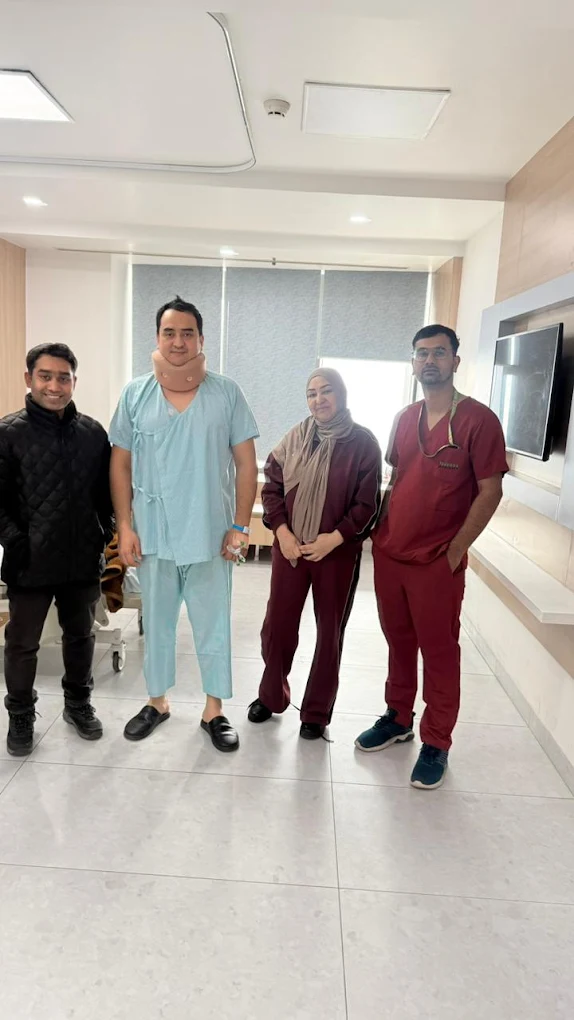
Because of his timely decisions and expert care, my uncle showed significant improvement, and for that we are truly thankful. I would confidently recommend Dr. Dibyajyoti Mahakul to anyone looking for a highly skilled and caring neurosurgeon.
Dr. Dibyajyoti Mahakul is not only an excellent neurosurgeon but also a very kind and understanding doctor. He treated my uncle with great care and professionalism during a very difficult time for our family.
From the first meeting, he patiently explained my uncle’s condition and the treatment plan in simple words, which helped us feel much more confident and less worried. His calm nature and positive attitude gave us a lot of reassurance throughout the treatment.
Thanks to his expertise and timely treatment, my uncle’s condition improved well. We are truly grateful for the care and support he provided.
I would highly recommend Dr. Dibyajyoti Mahakul to anyone looking for a skilled and compassionate neurosurgeon.
We visited him for my aunt who got multiple traumas after she met with an accident. He treated her well. Explained us everything about post hospitalisation care, how to manage a patient at home and what is best for the patient.
Posted on Google
Animesh das
Trustindex verifies that the original source of the review is Google.
We are really very grateful to Dr. Divya Jyoti for treating my father who underwent emergency brain hammeorage surgery. He helped my family in all possible ways to keep us confidence ,and strong enough throughout this journey even after the hospitalization. Excellent Doctor, Great humanitarian
Post surgery he also helped us in every possible way, sir was always there .I have not met any other doctor who take so much care of the patient even after discharge sir always there to help us in our problem,Thank you so much Doctor for always being there with us in this journey, He is a real देवदूत — God sent..
Very good doctor and kind at heart.
Posted on Google
Rohit Miglani
Trustindex verifies that the original source of the review is Google.
Understand problem quickly. Very good guidance .
Posted on Google
Ruby roy
Trustindex verifies that the original source of the review is Google.
Mr dibya Jyoti . We have met 1st time and almost given a 1hr for the depth discussion it was very helpfull and understanding conversation to move further for net call . Will looking forward to you for support dr.
Posted on Google
Divan Ram
Trustindex verifies that the original source of the review is Google.
He is very good in explaining everything.
Posted on Google
LAKSHAY KAPOOR
Trustindex verifies that the original source of the review is Google.
We initially came in for a second opinion regarding my mother's back condition. She was feeling very nervous about treatment, but the doctor spent ample time reassuring her and explaining everything clearly. Thanks to this outstanding standard of care, we are officially shifting her complete treatment plan to this practice.
Posted on Google
Satyajit Bera
Trustindex verifies that the original source of the review is Google.
Dr. Dibya Jyoti Mahakul is an excellent doctor and a very humble, down-to-earth person. He treats every patient with kindness and genuine care. He listens patiently, explains the condition clearly, and makes patients feel comfortable throughout the treatment. I am very very satisfied with the care and would highly recommend Dr. Dibya Jyoti Mahakul for his expertise and compassionate approach.
Posted on Google
Ujjwal Mahata
Trustindex verifies that the original source of the review is Google.
Extremely thankful to Dr. Dibya Jyoti Mahakul and neurosurgery team. Excellent endovascular care( aneurysms ), doctor all clear explanation, compassionate support. Highly professional.
Thank you so much dr. Dibya Jyoti mahakul for excellent care and support.Highly recommended for advanced neurosurgical and endovascular brain treatment.
Posted on Google
Shivani Aggarwal
Trustindex verifies that the original source of the review is Google.
Dr. Dibya was incredibly kind, attentive, and thorough. He listened carefully to my concerns, explained my diagnosis in a way that was easy to understand, and outlined all treatment options without rushing. Highly recommend.
Thank you
Posted on Google
Piyush James
Trustindex verifies that the original source of the review is Google.
Dr. Divya Jyoti sir is very very good dr.
I must say GOD on earth for patients.
Verified by Trustindex
Trustindex verified badge is the Universal Symbol of Trust. Only the greatest companies can get the verified badge who has a review score above 4.5, based on customer reviews over the past 12 months. Read more
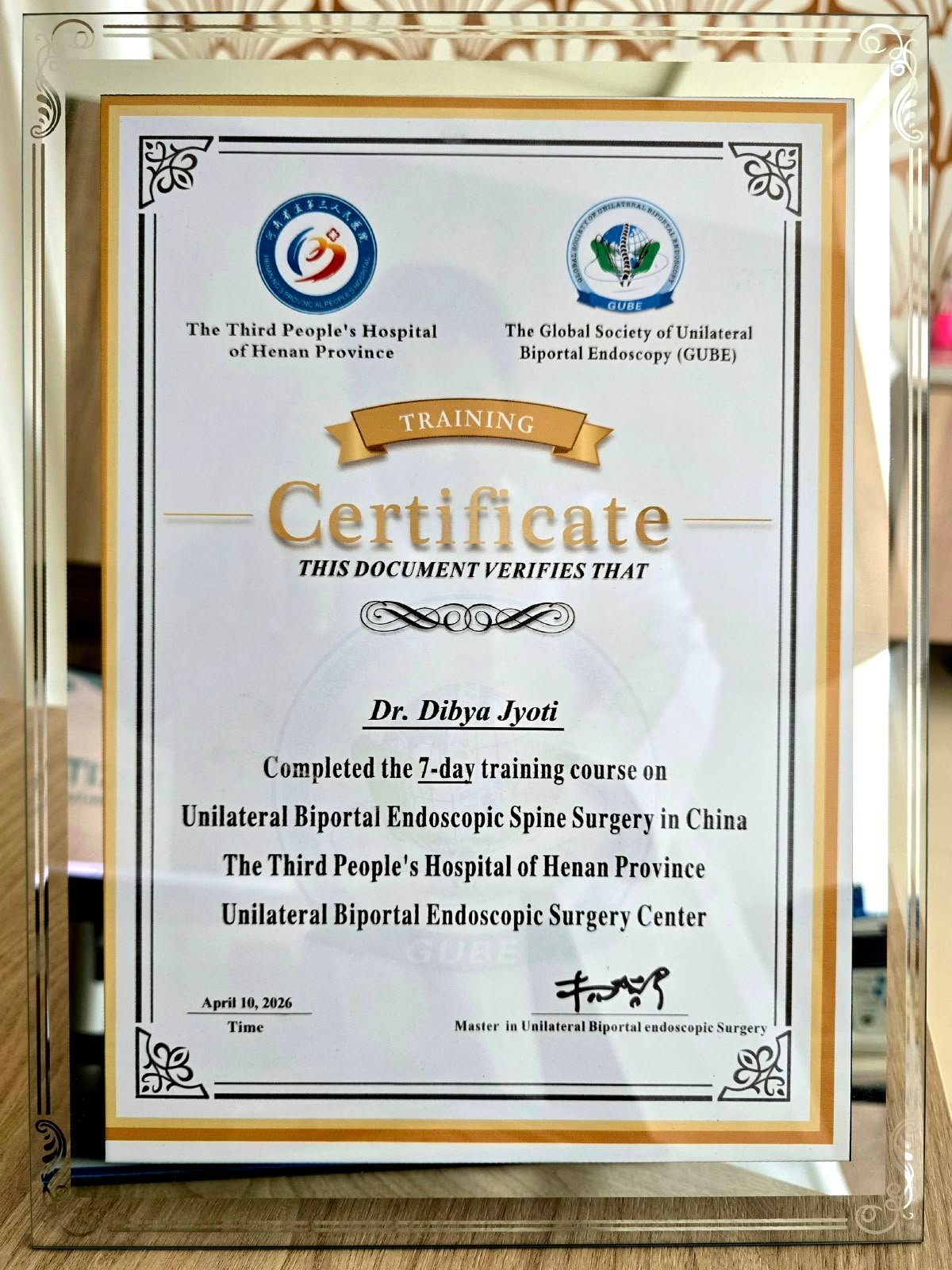
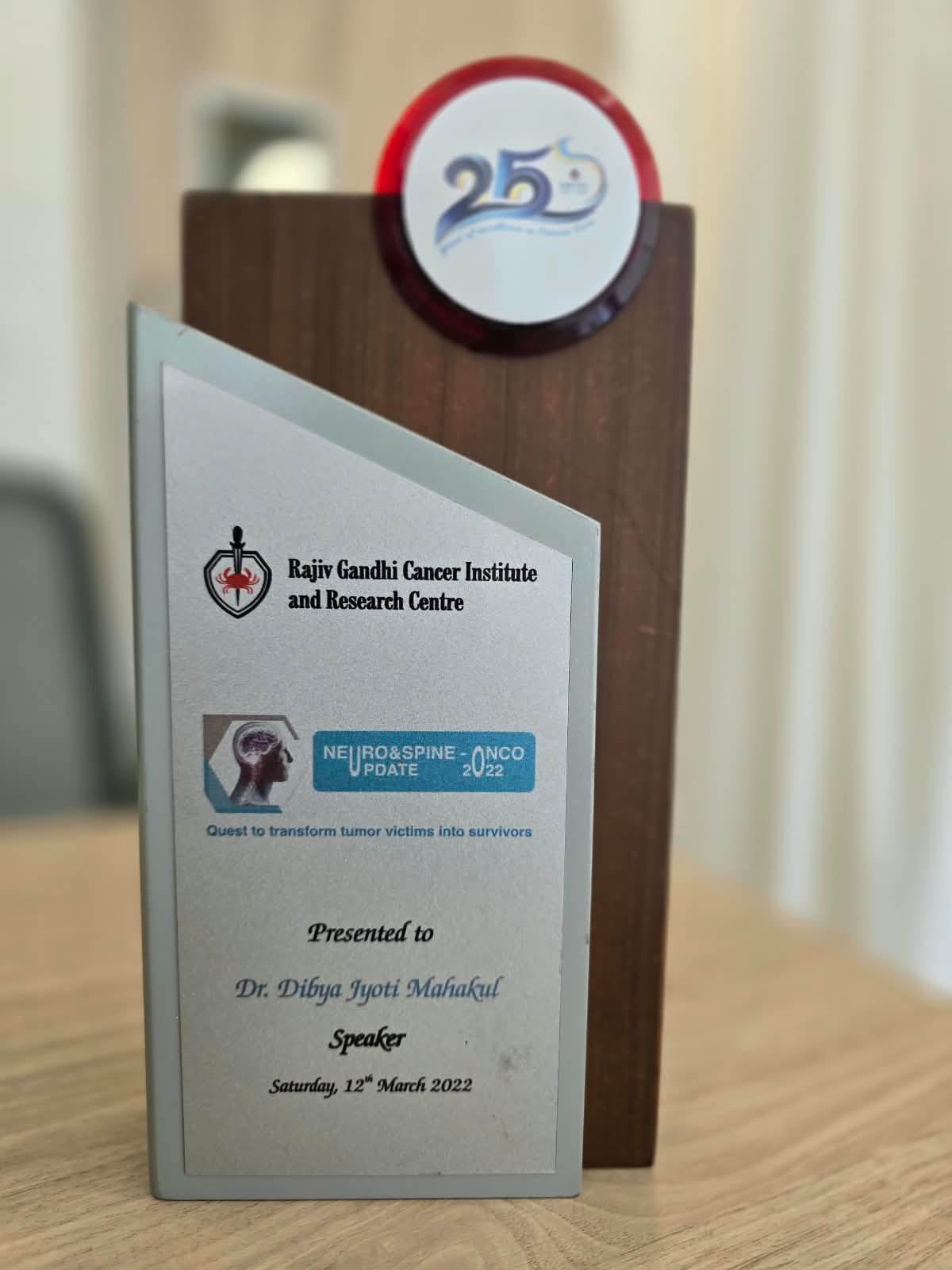
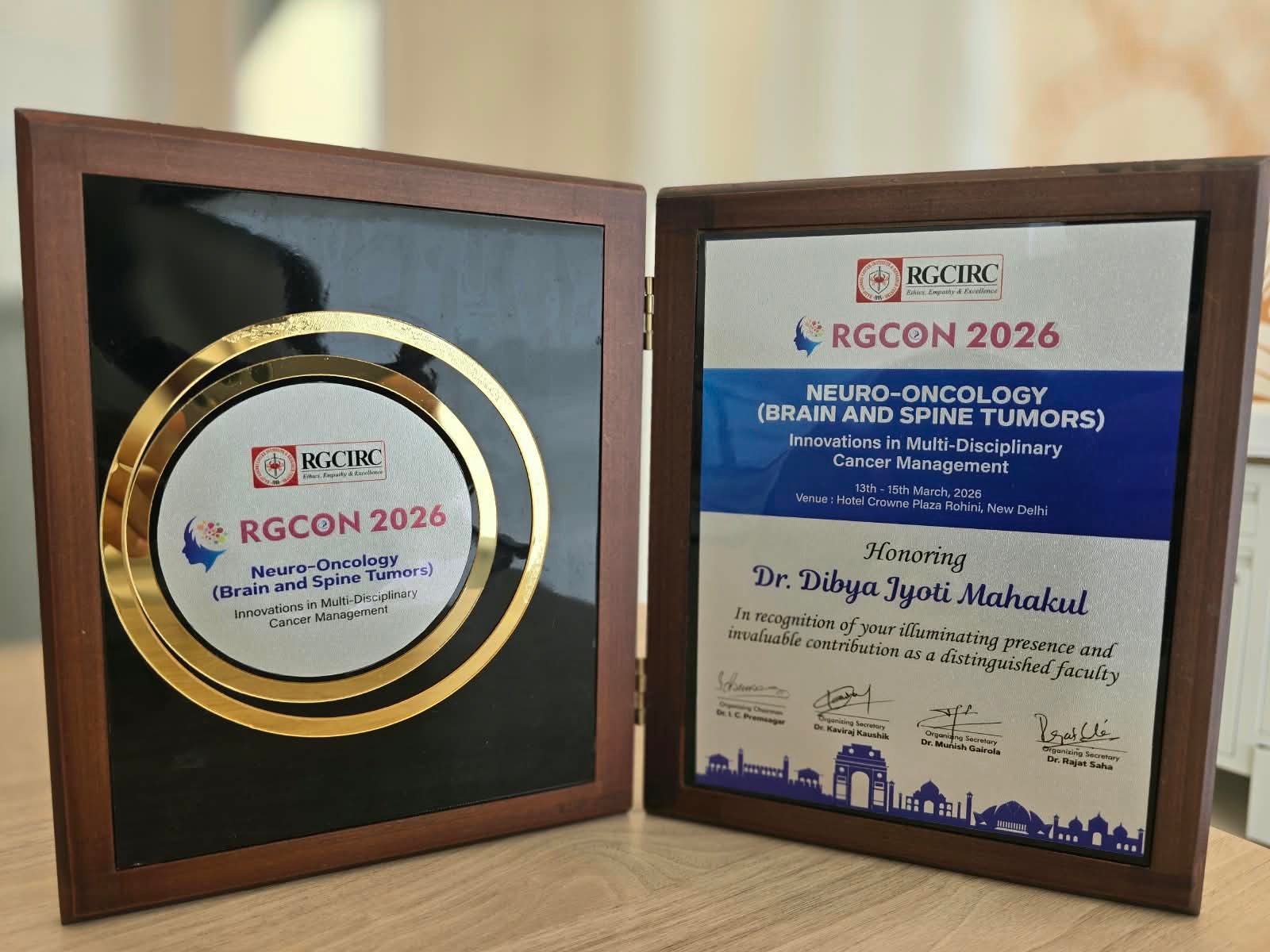
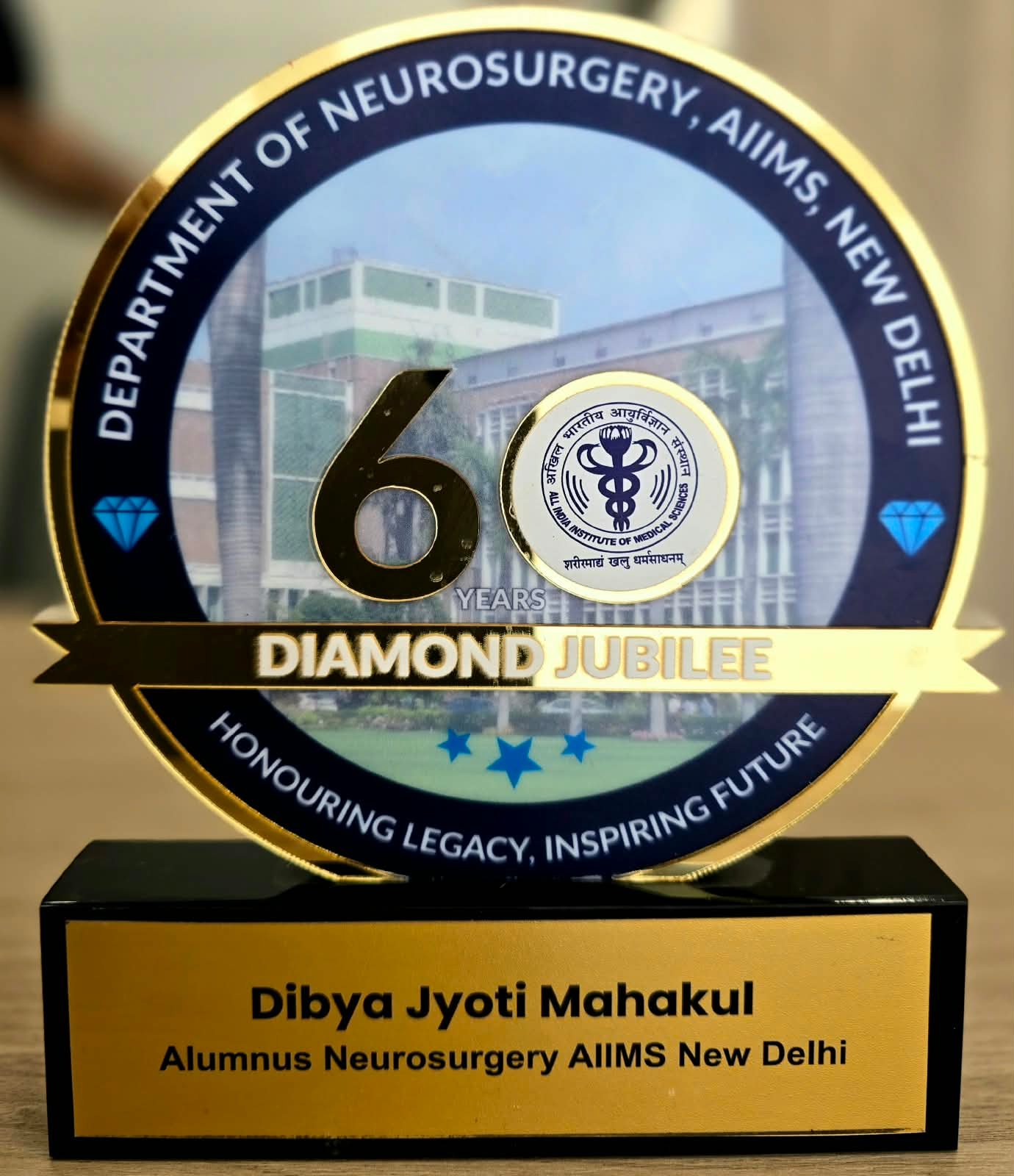
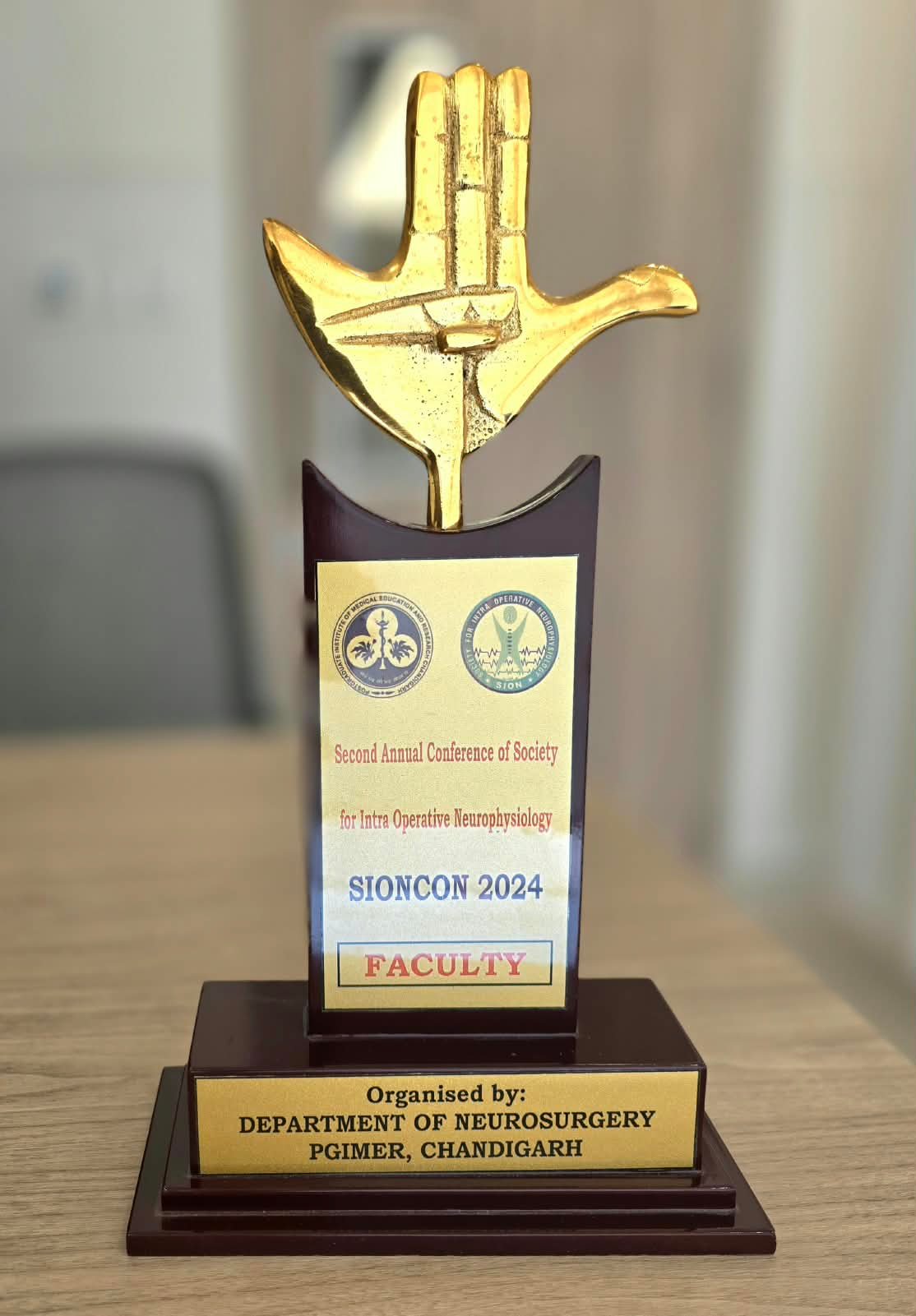
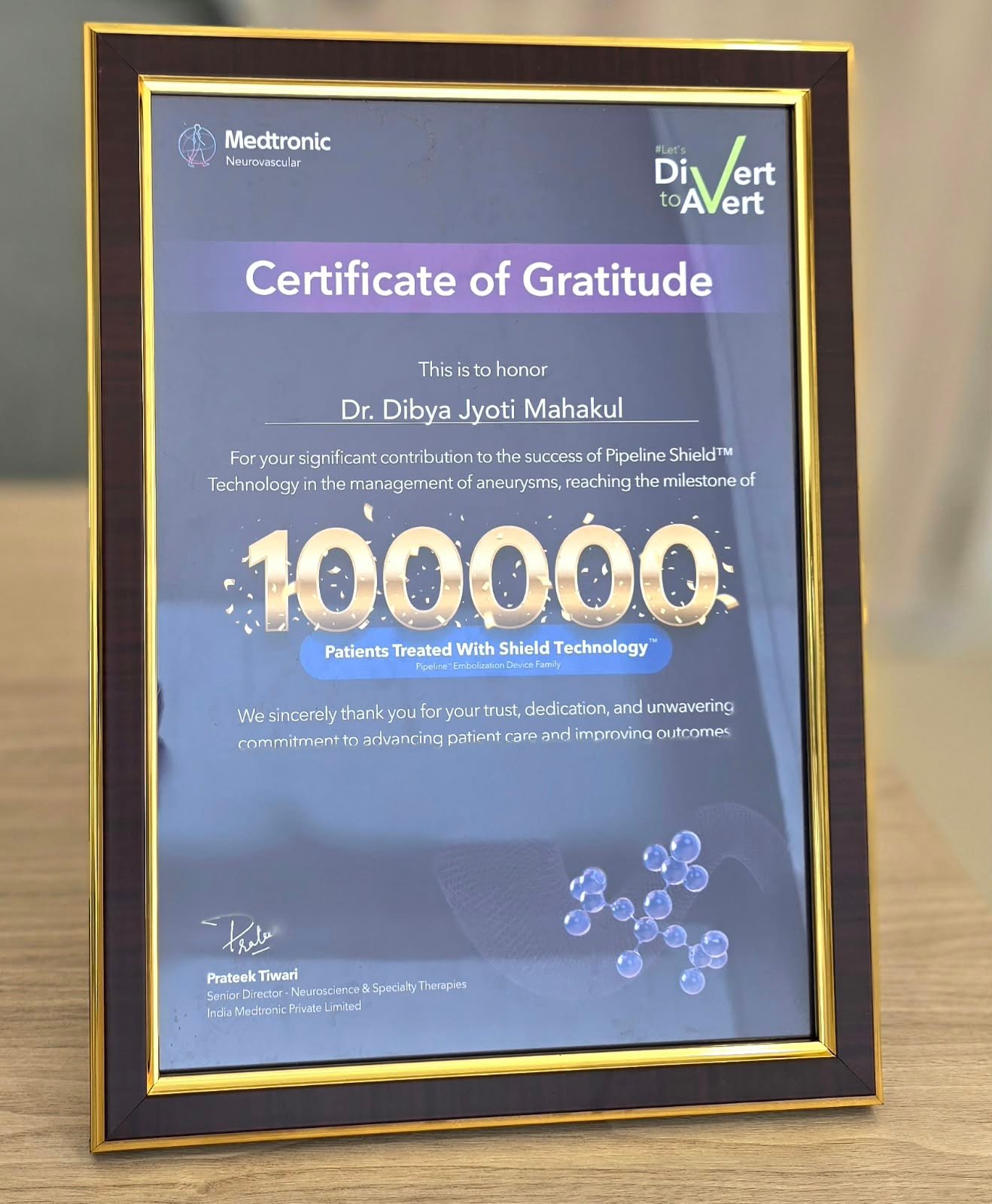
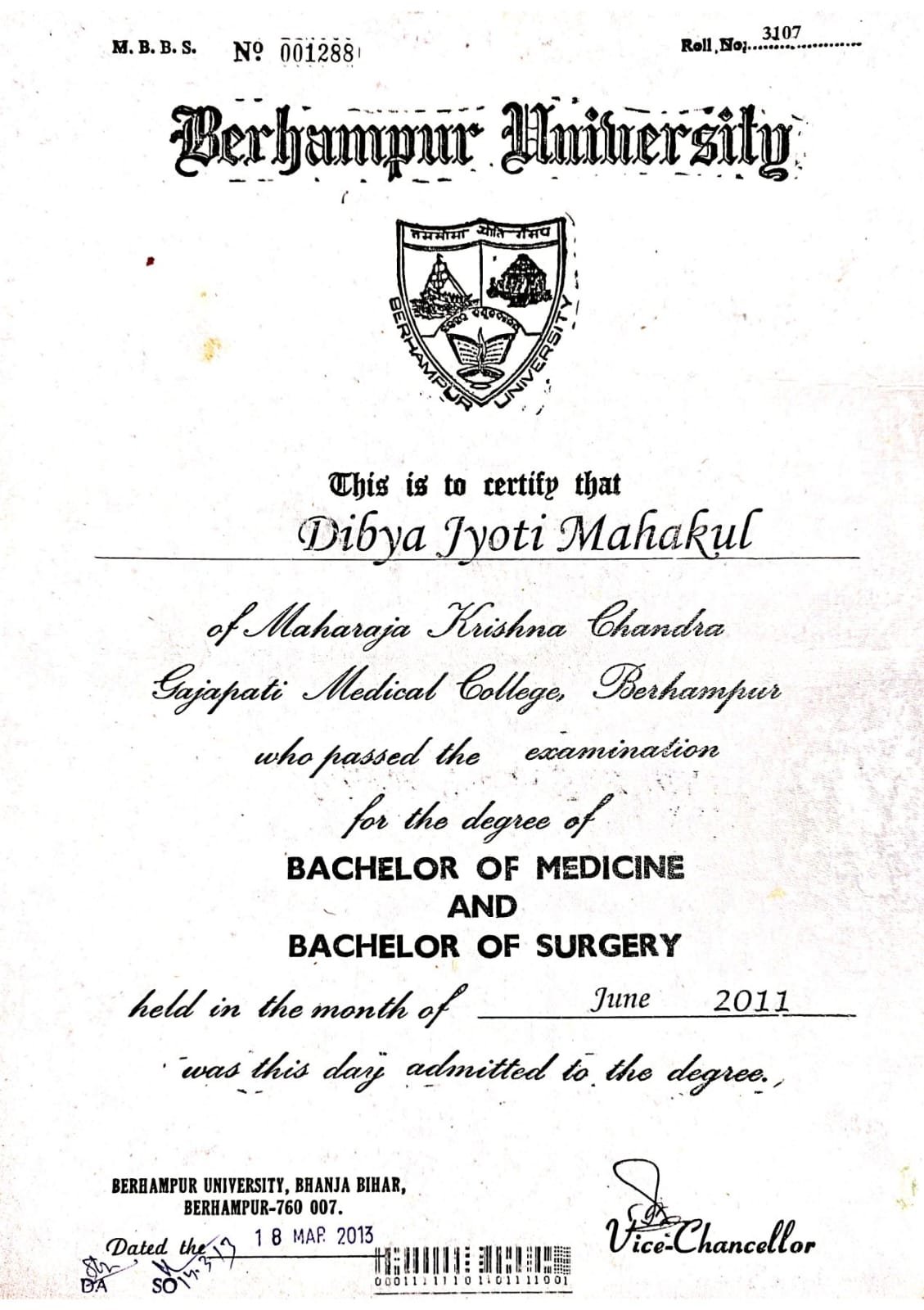
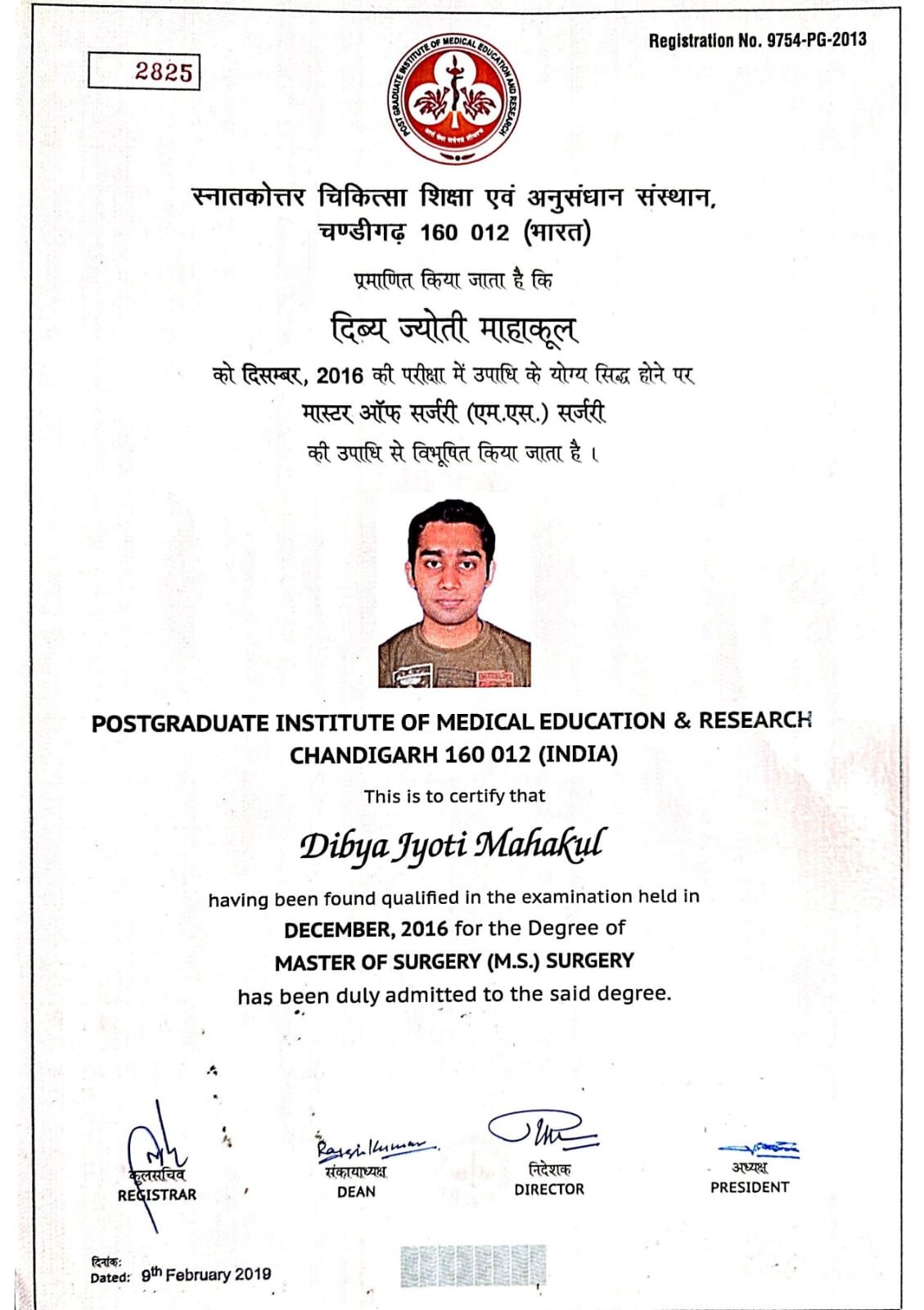
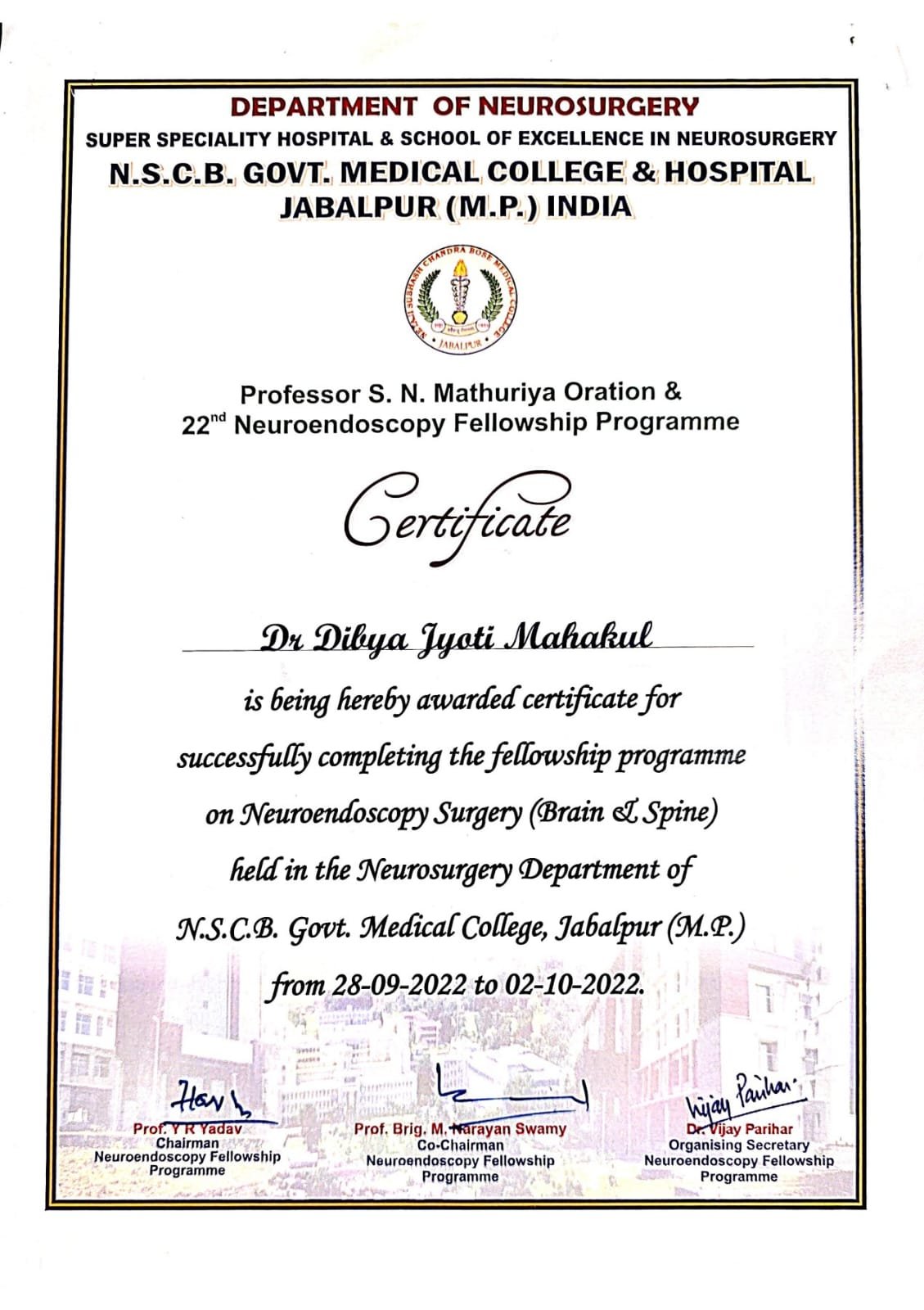
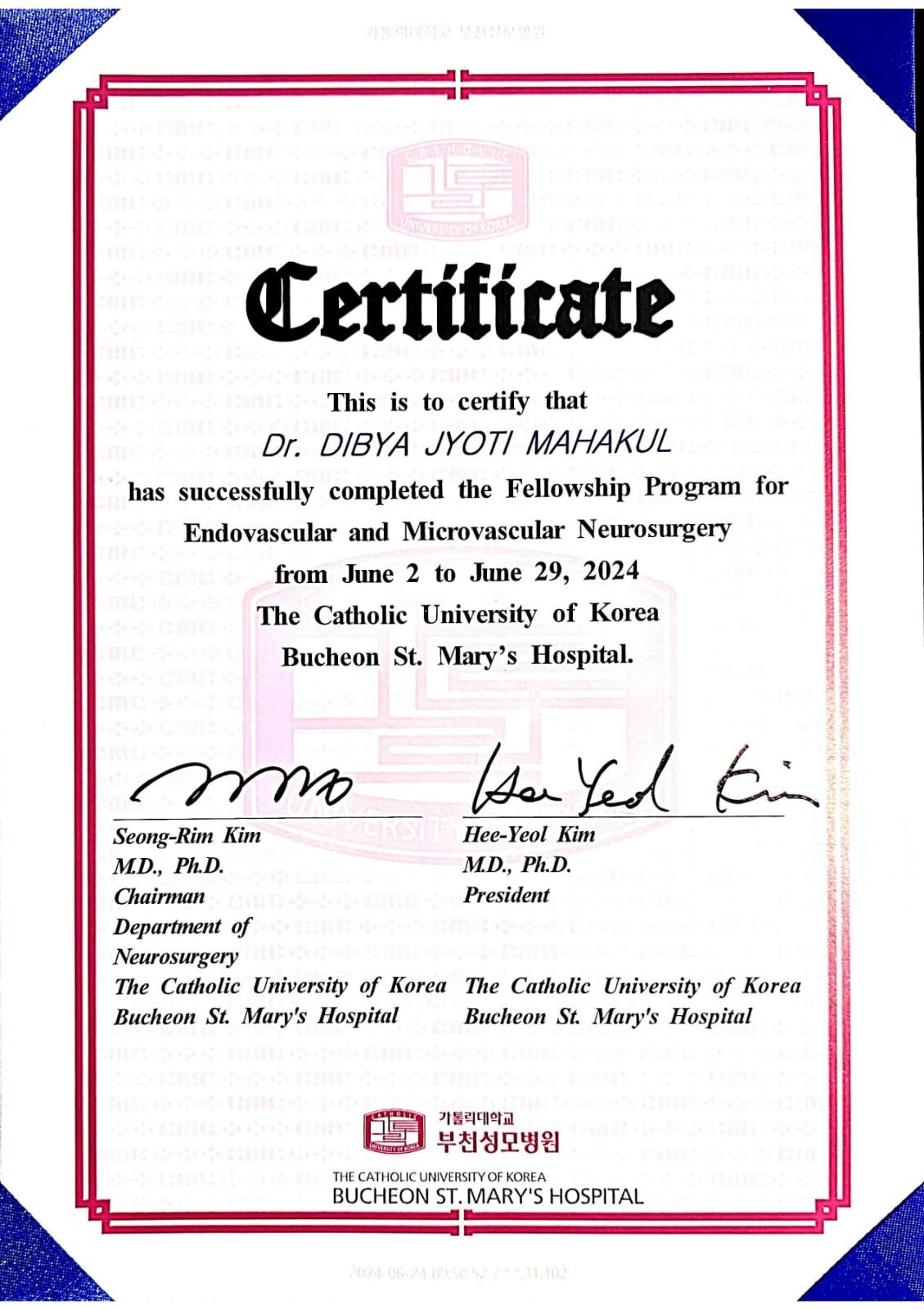
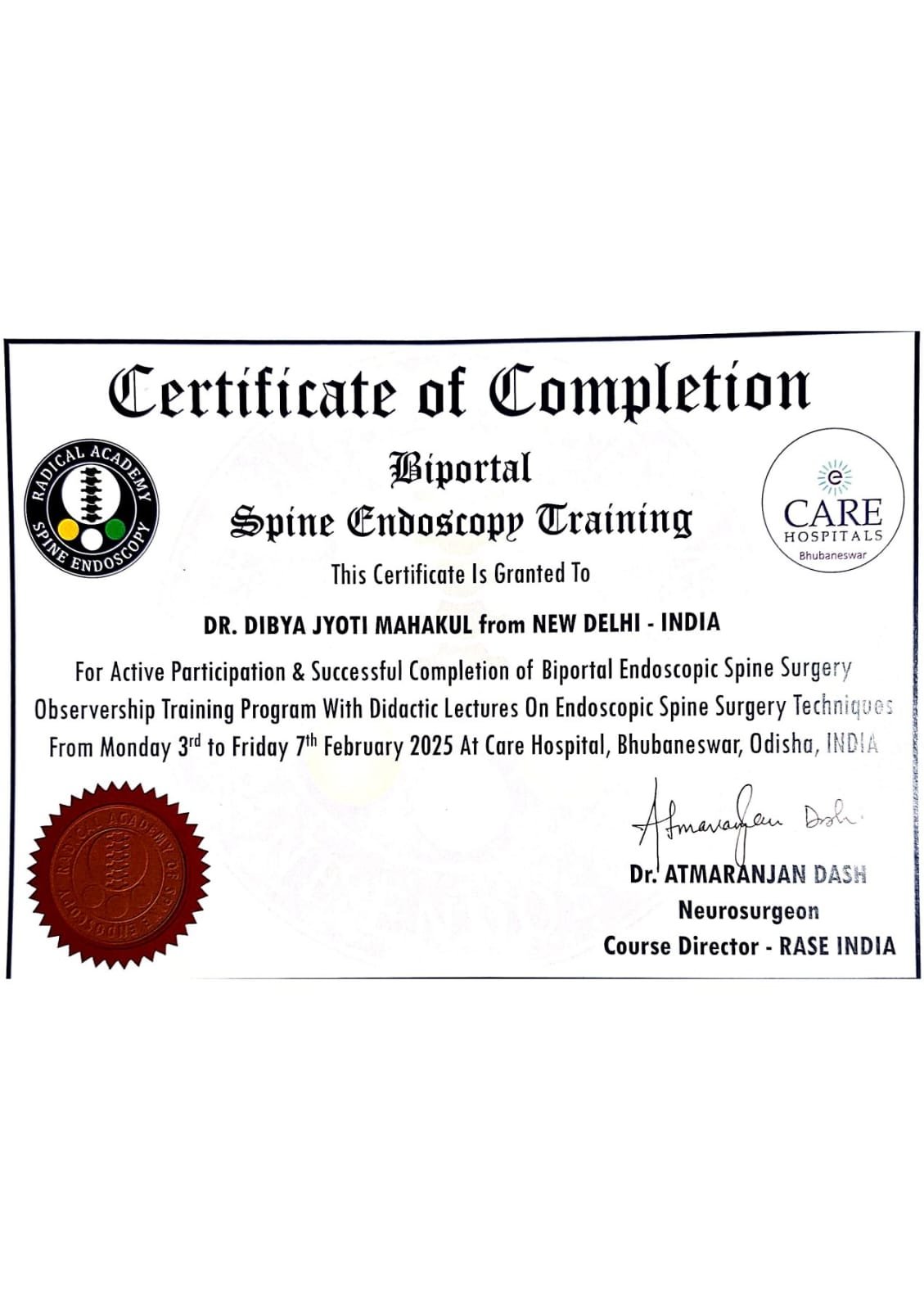
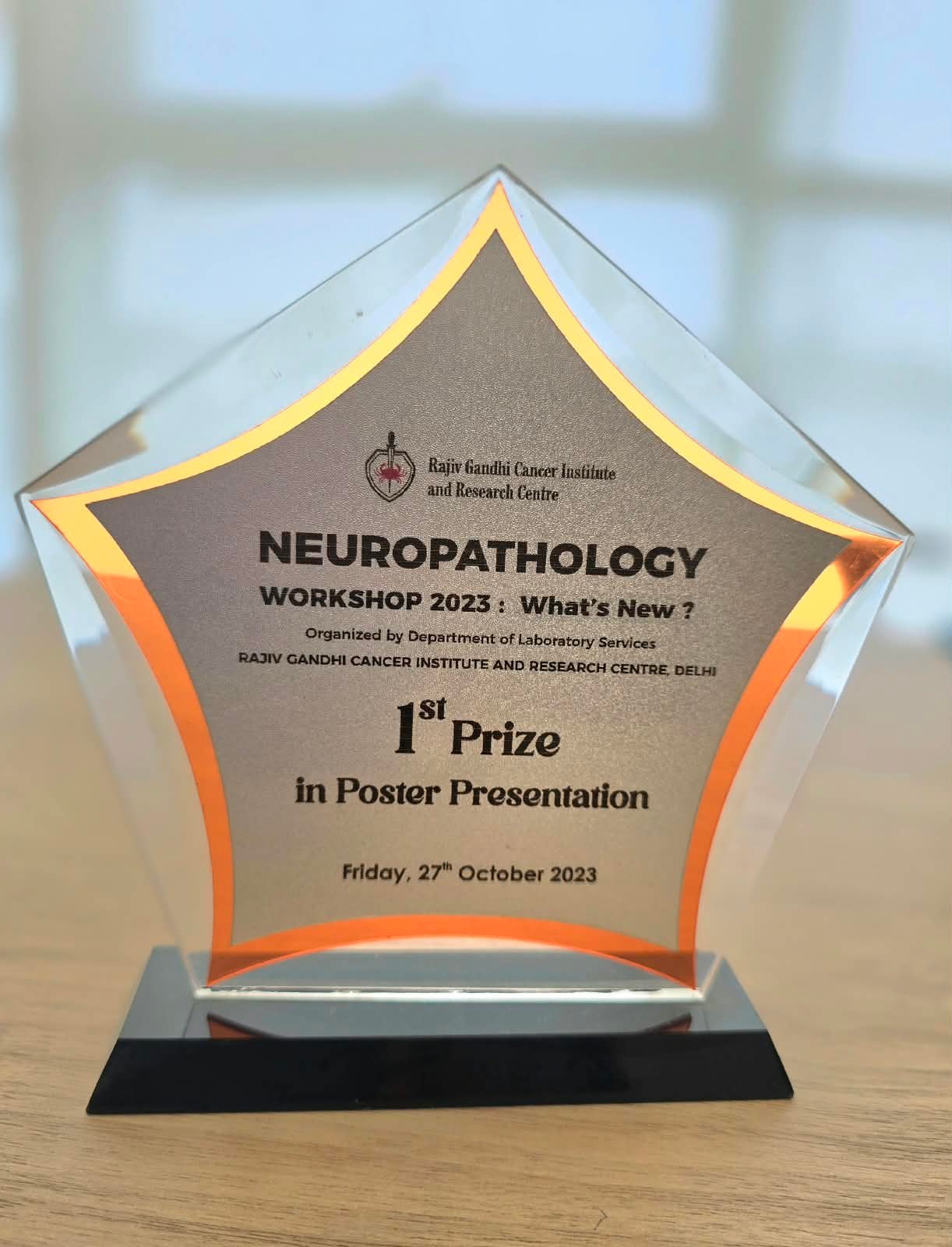
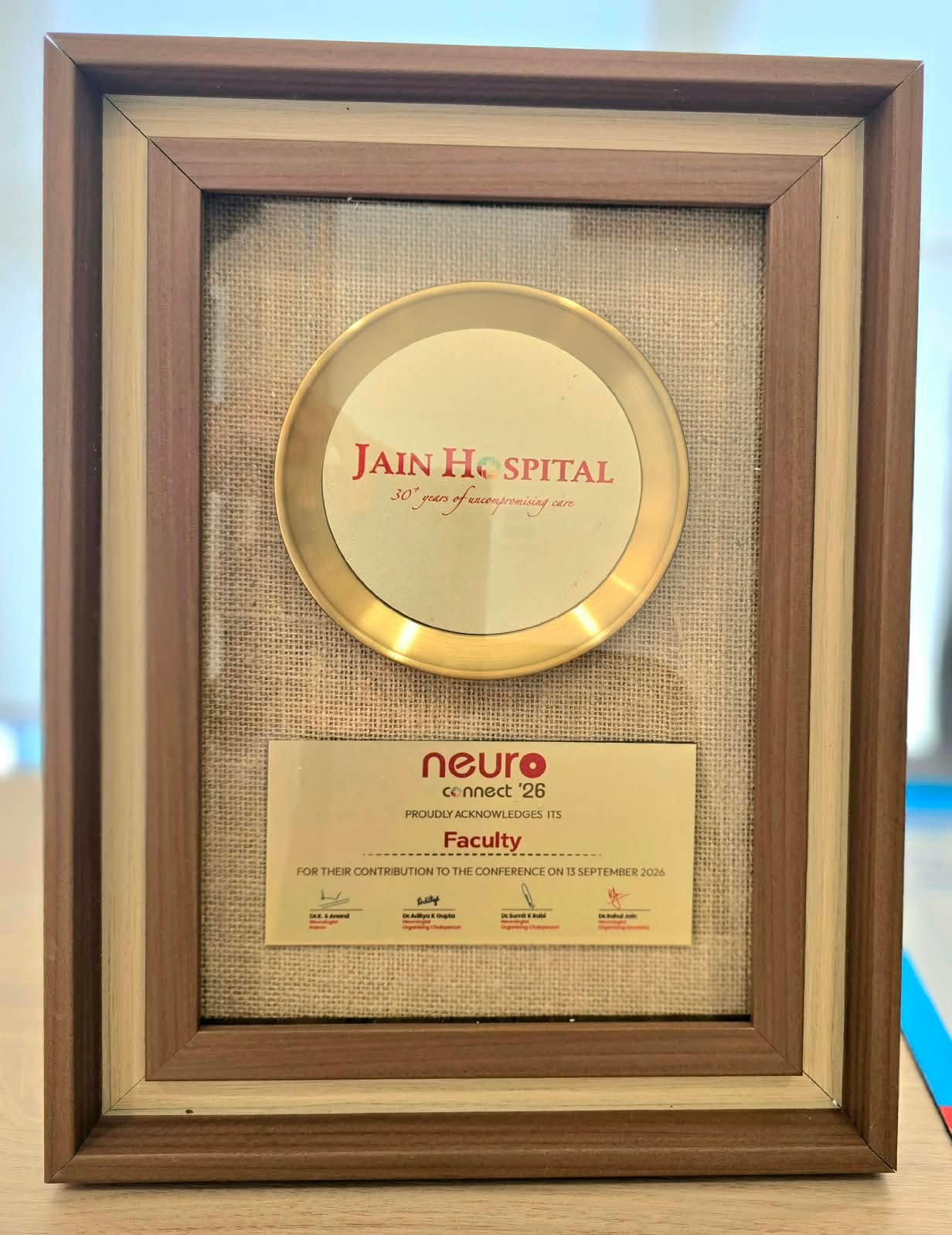
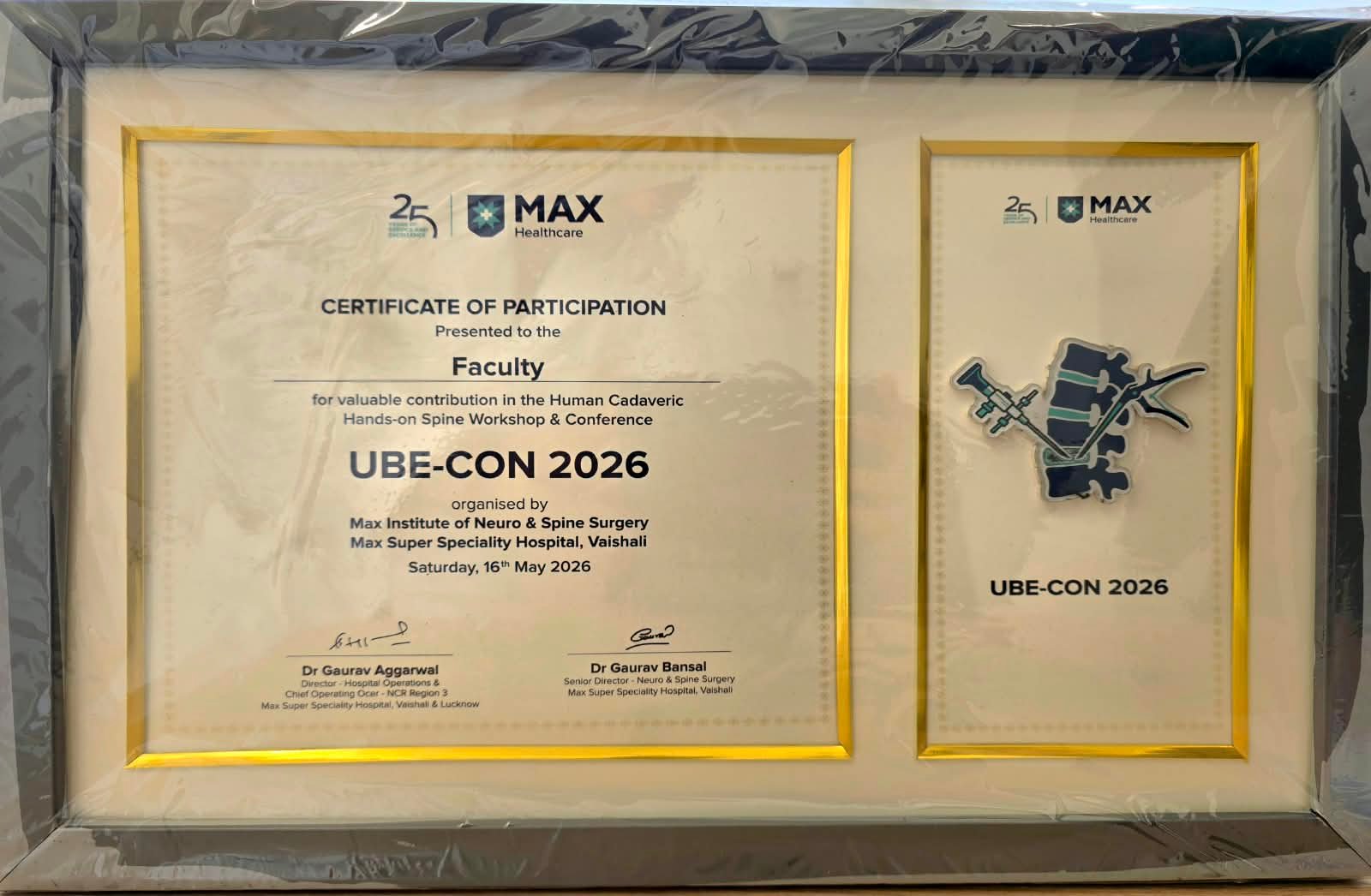
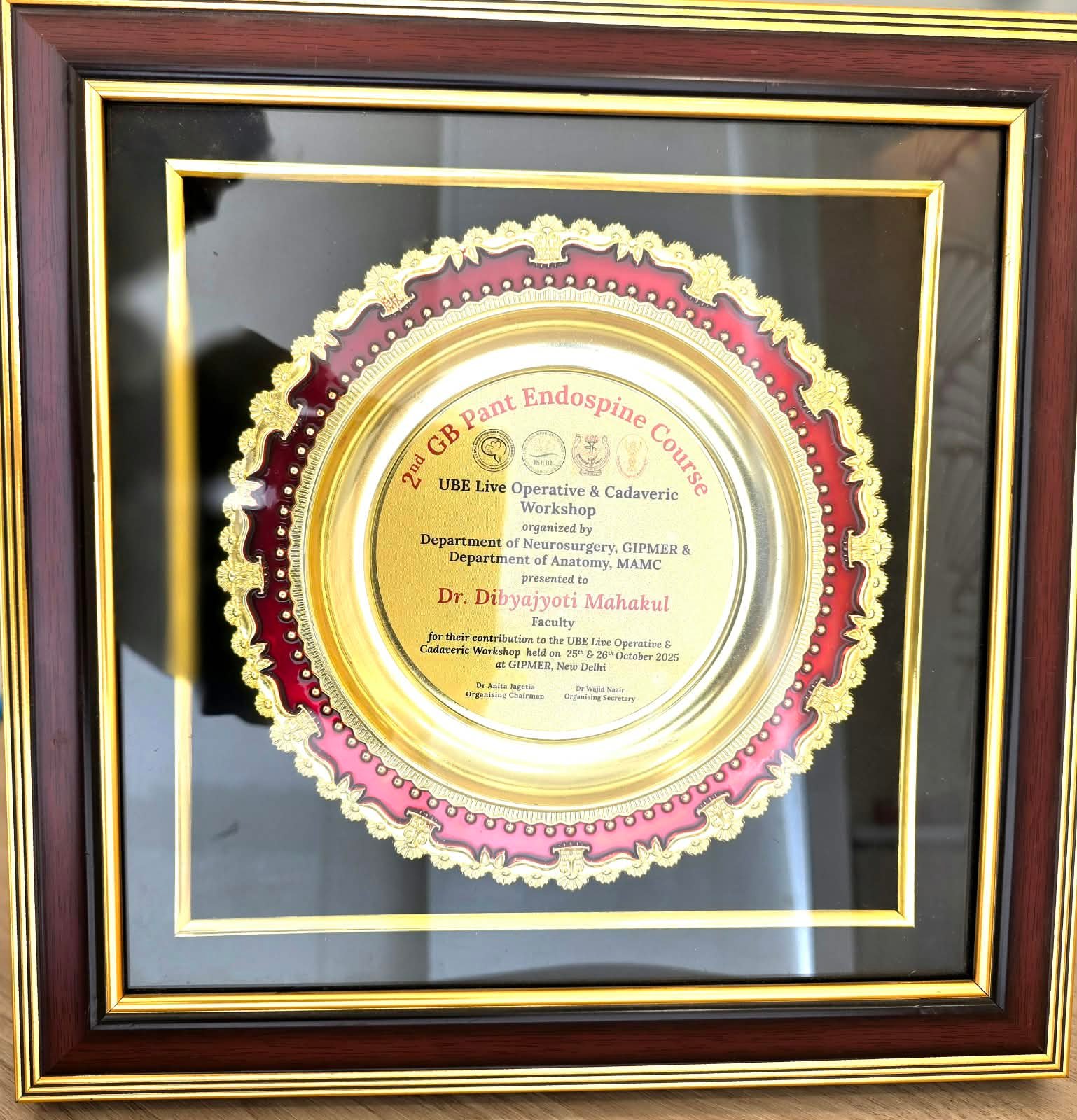
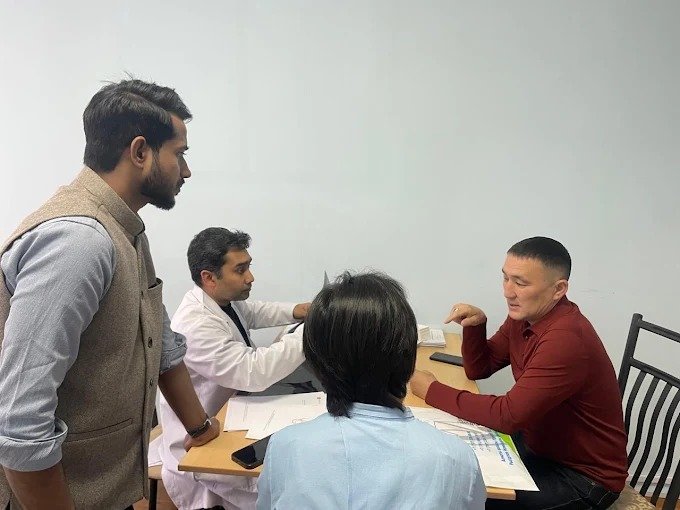
ACHIEVEMENTS
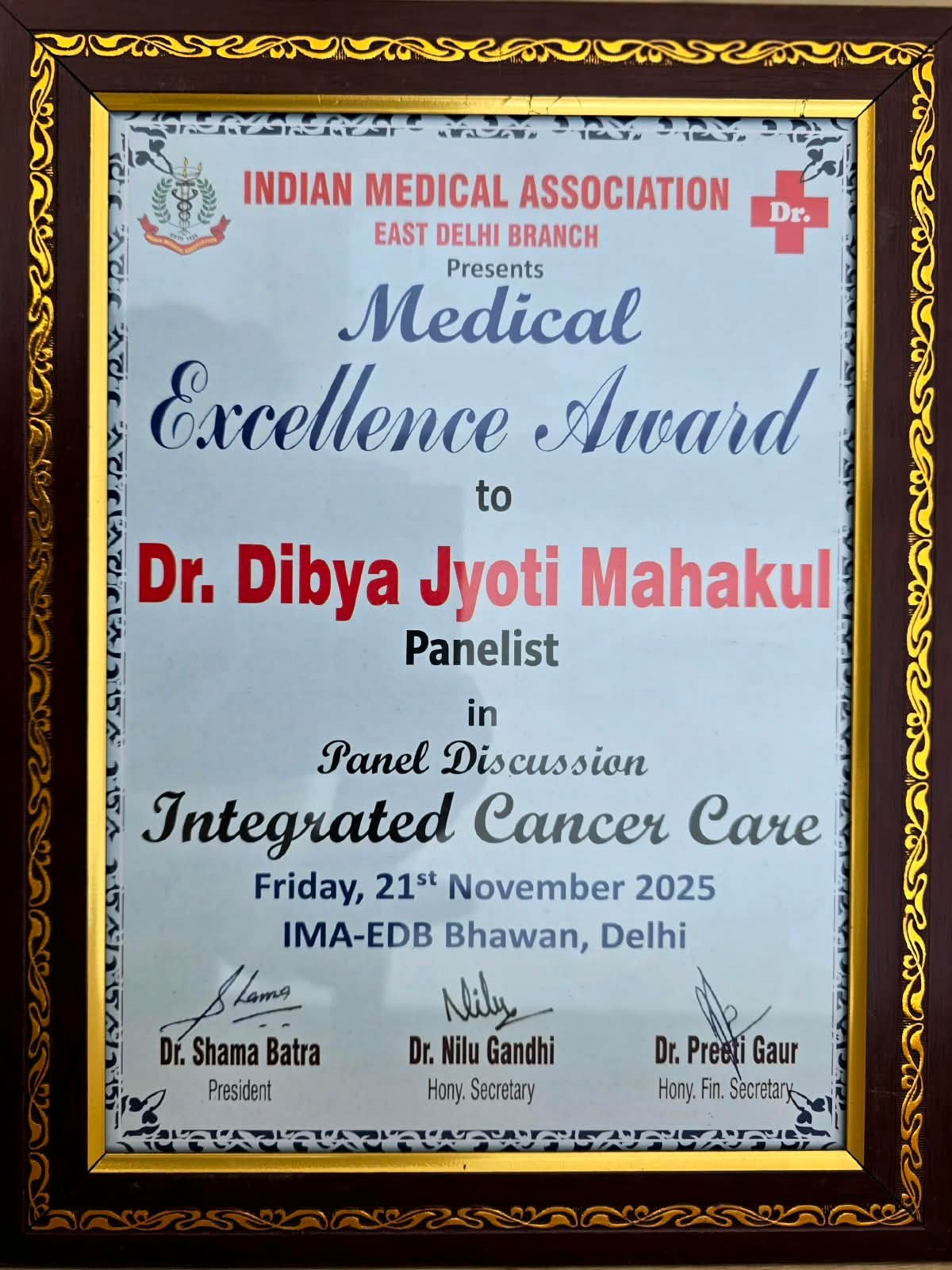
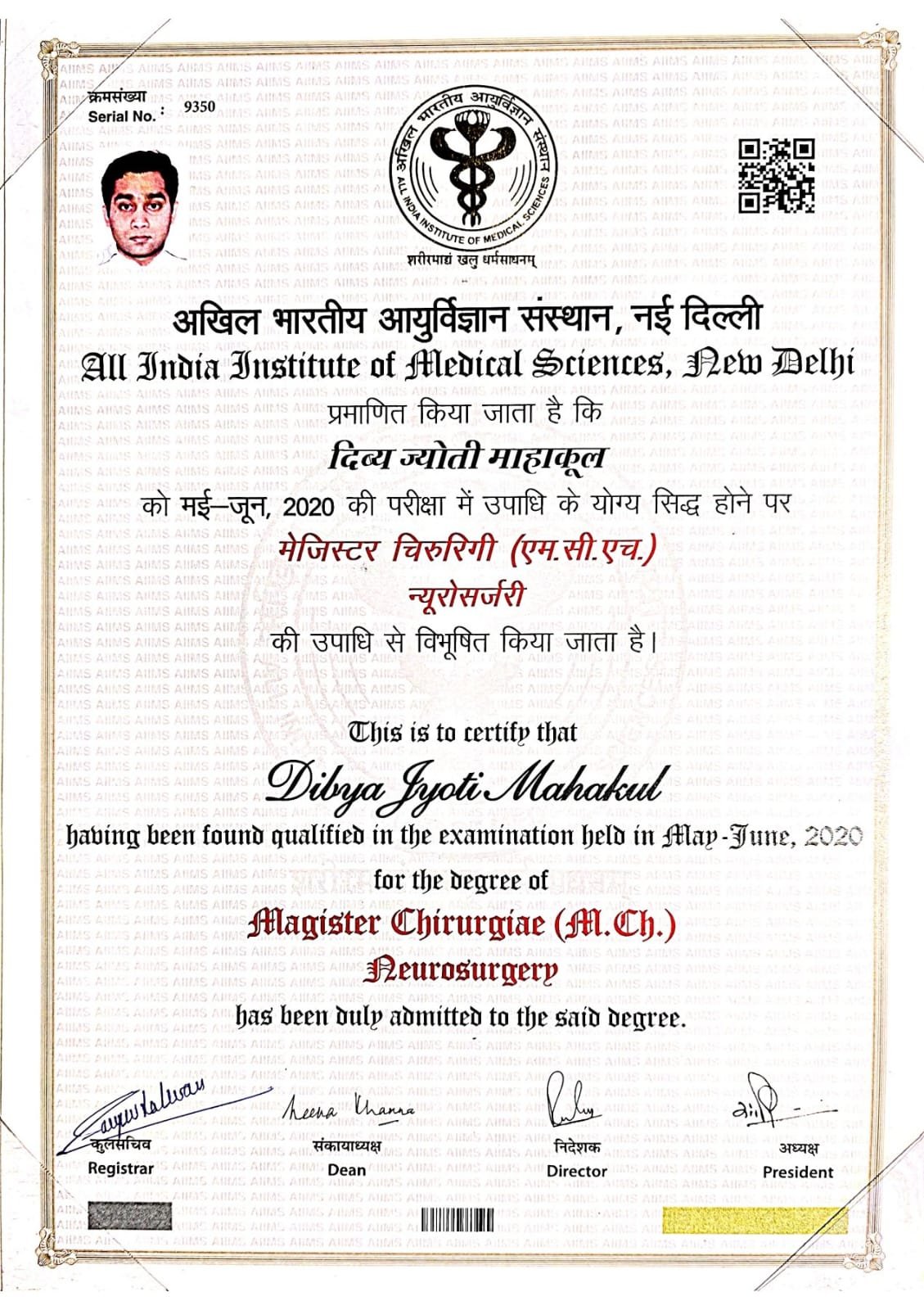
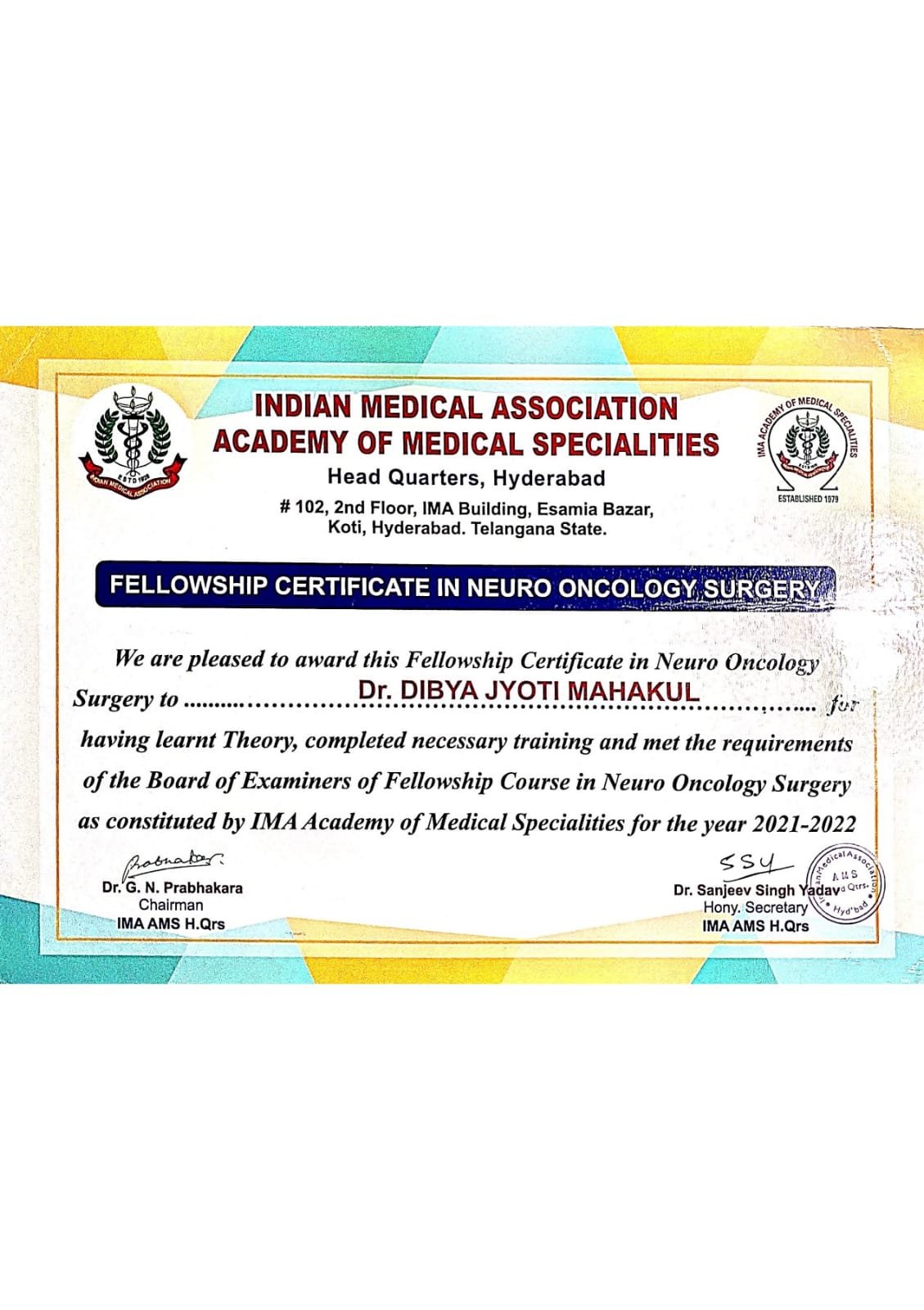
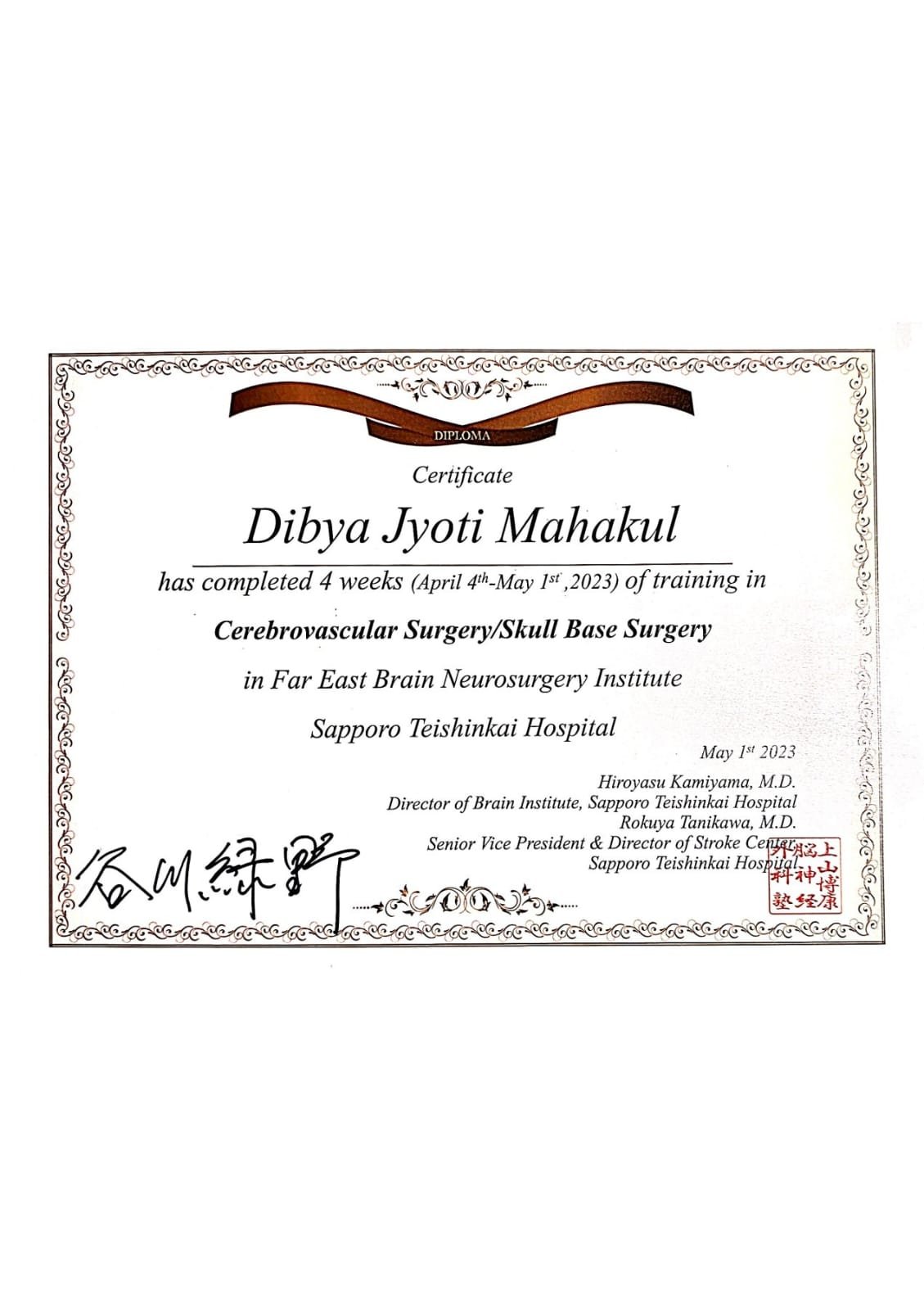
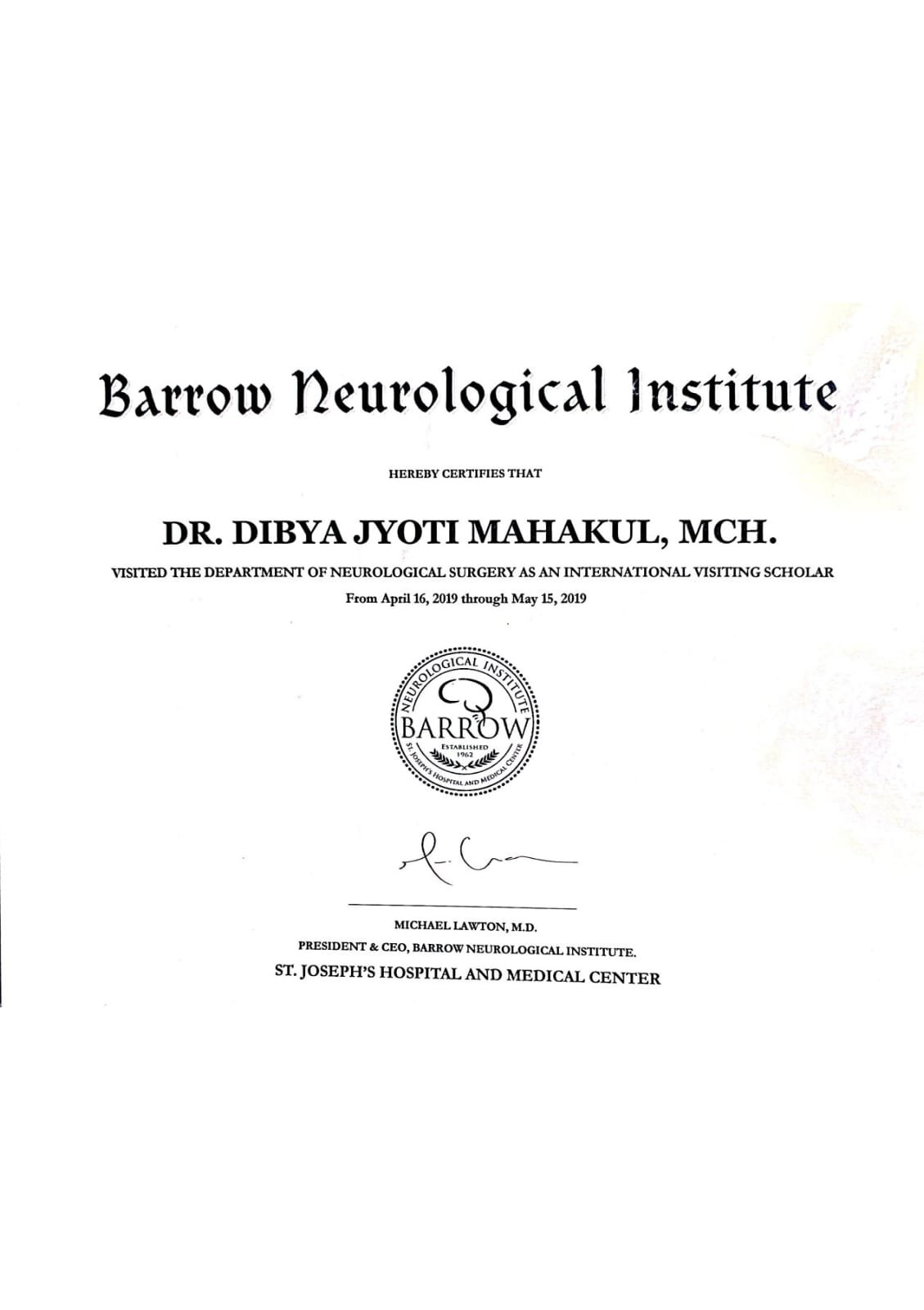
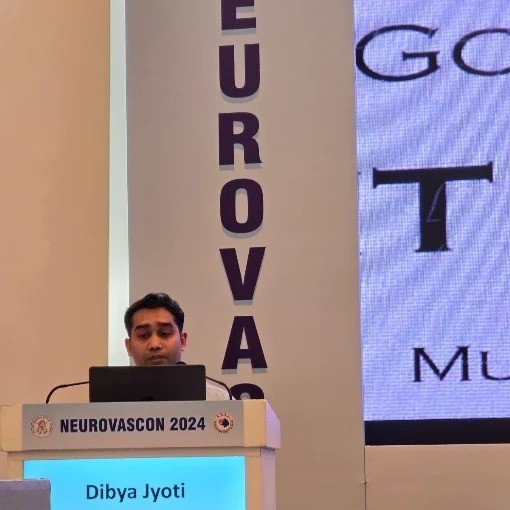
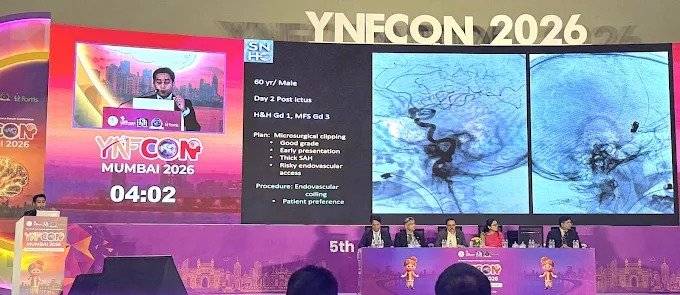
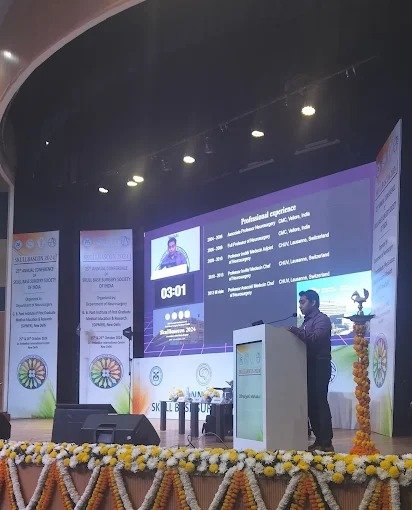
Milestones from Dr. Dibya Jyoti Mahakul's Journey
Recognitions, conferences and moments from a career built around precise, compassionate neurosurgical care.
WATCH & LEARN
Patient Education
NEUROSURGEON & SPINE SPECIALIST DELHI NCR
Dr. Dibya Jyoti Mahakul - Best Neurosurgeon in Delhi
Expert care for brain, spine and nerve conditions — with two convenient clinic locations serving North Delhi and East Delhi / NCR.
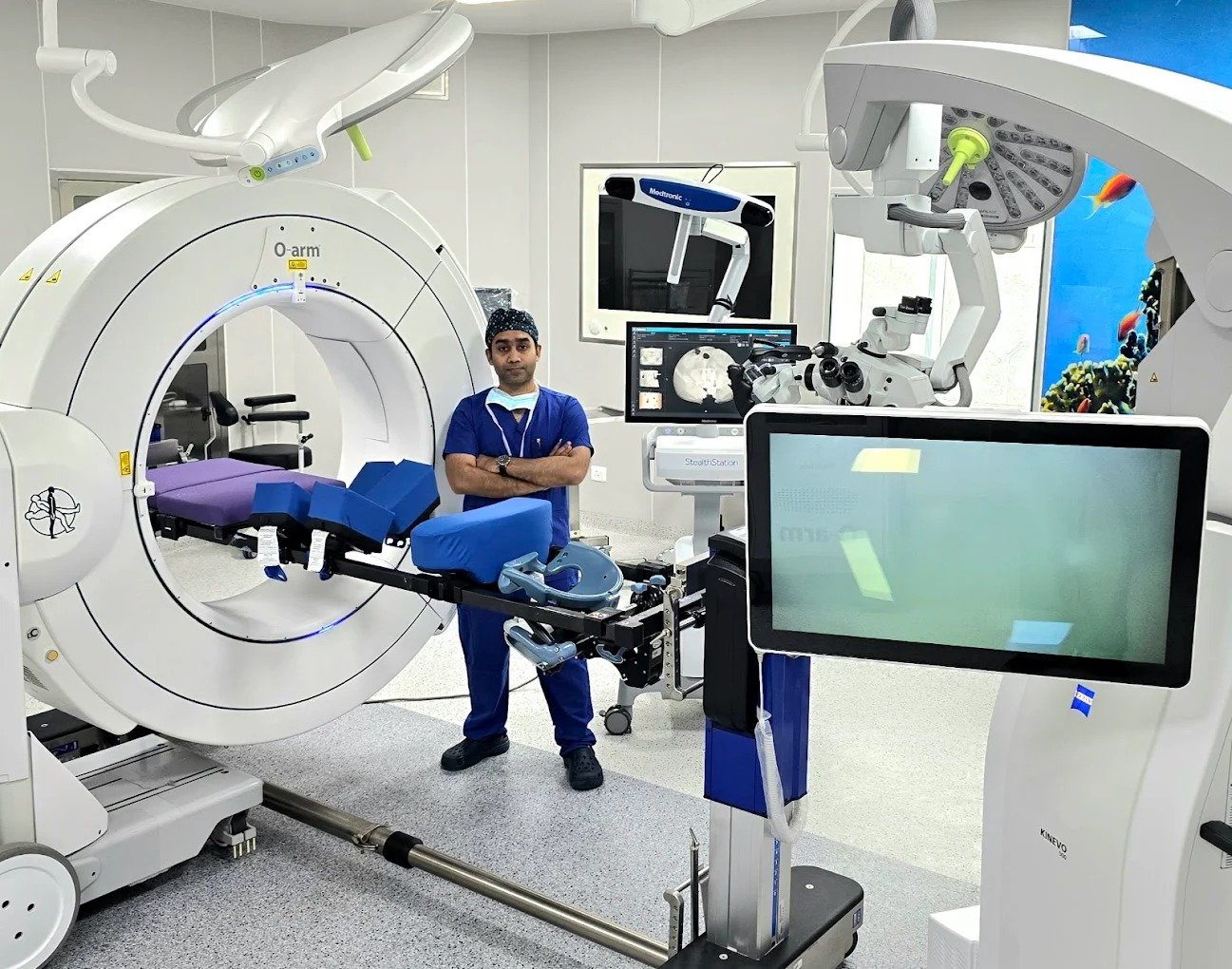
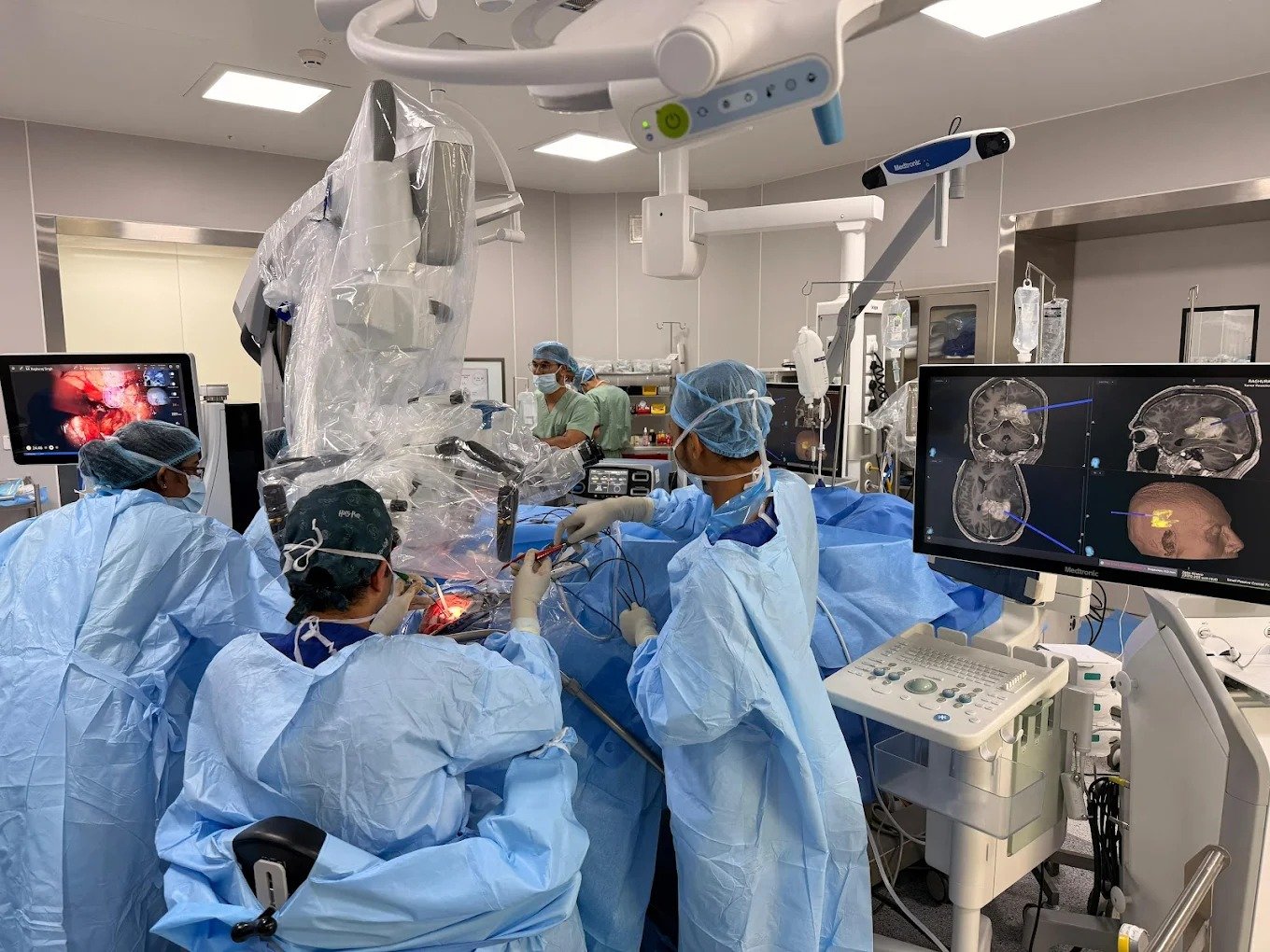
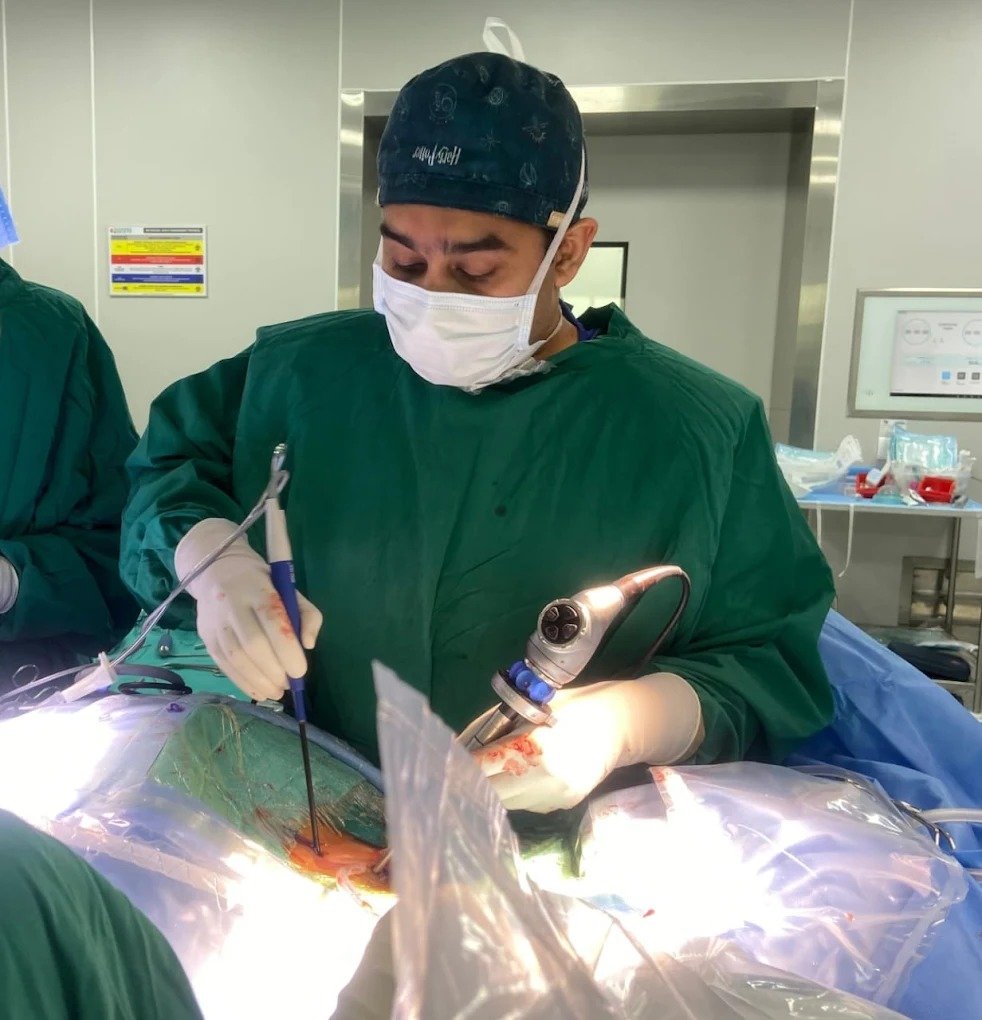
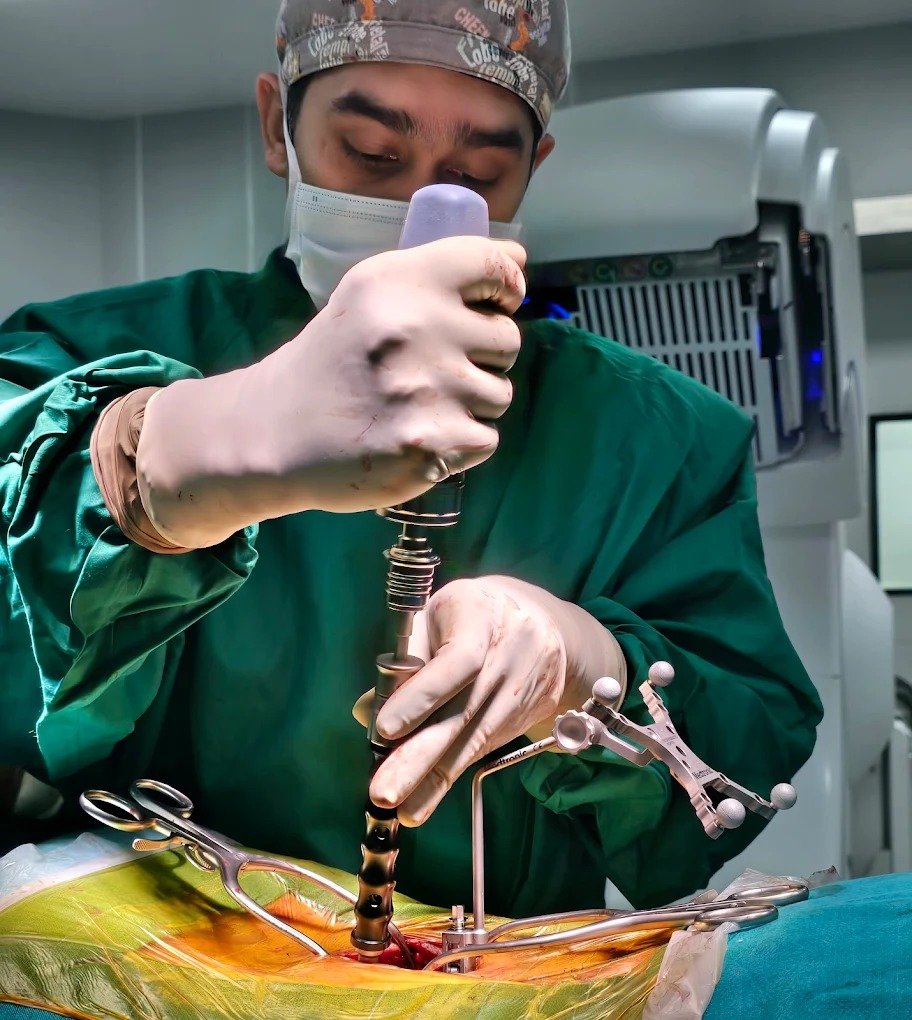
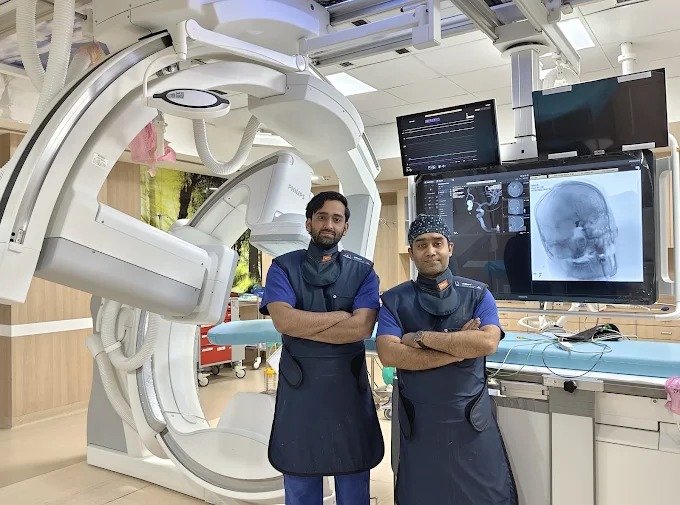
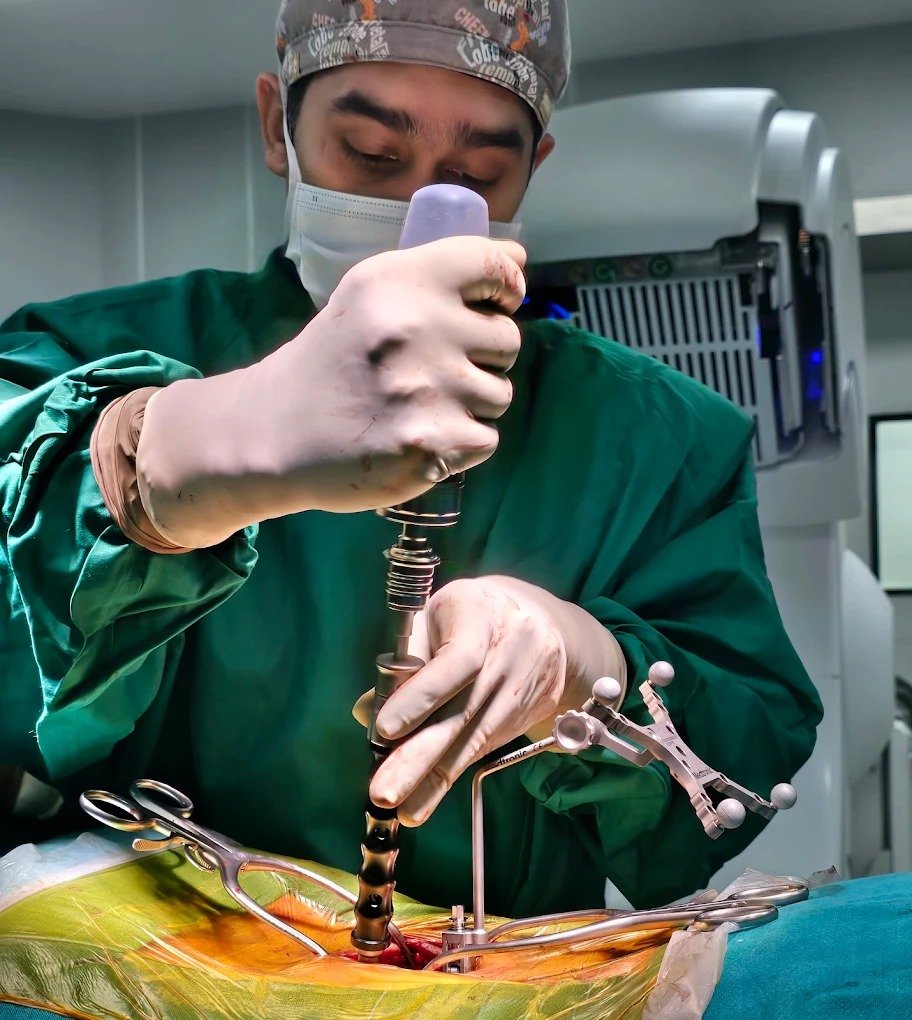
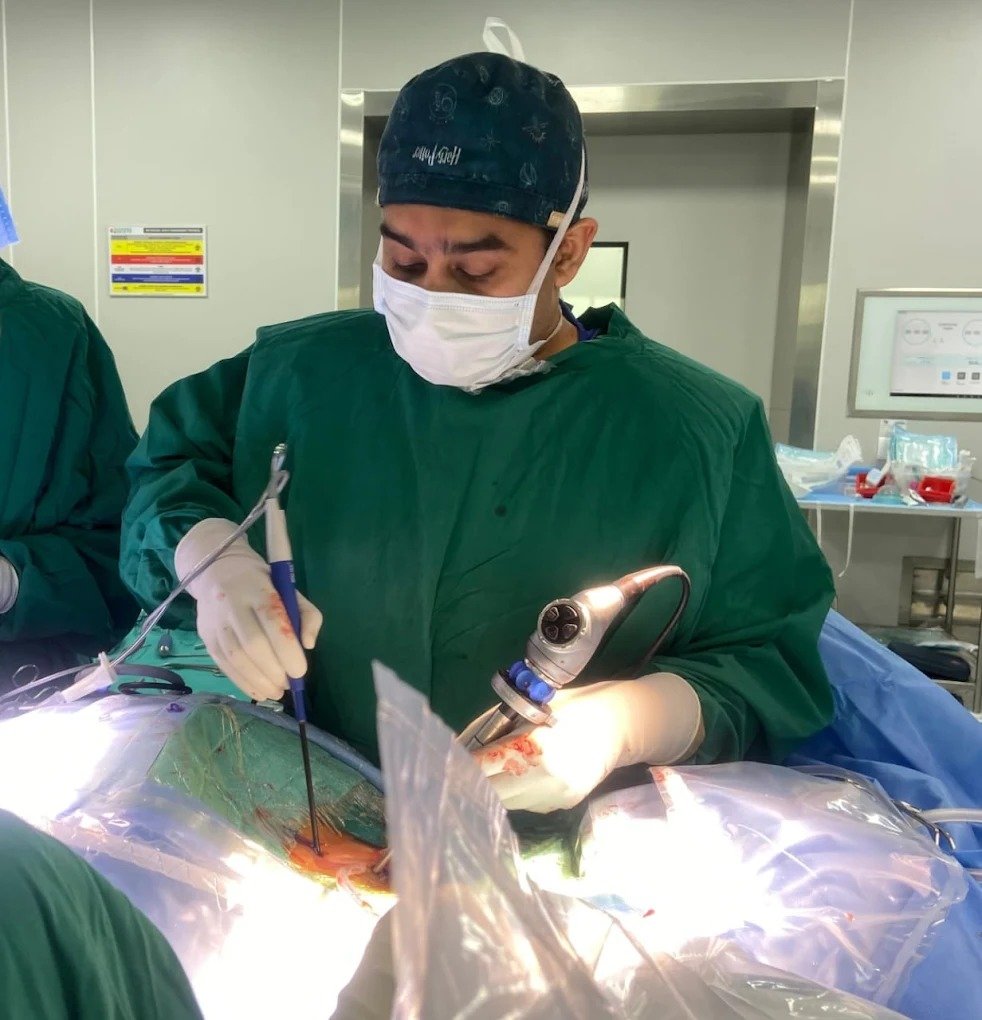
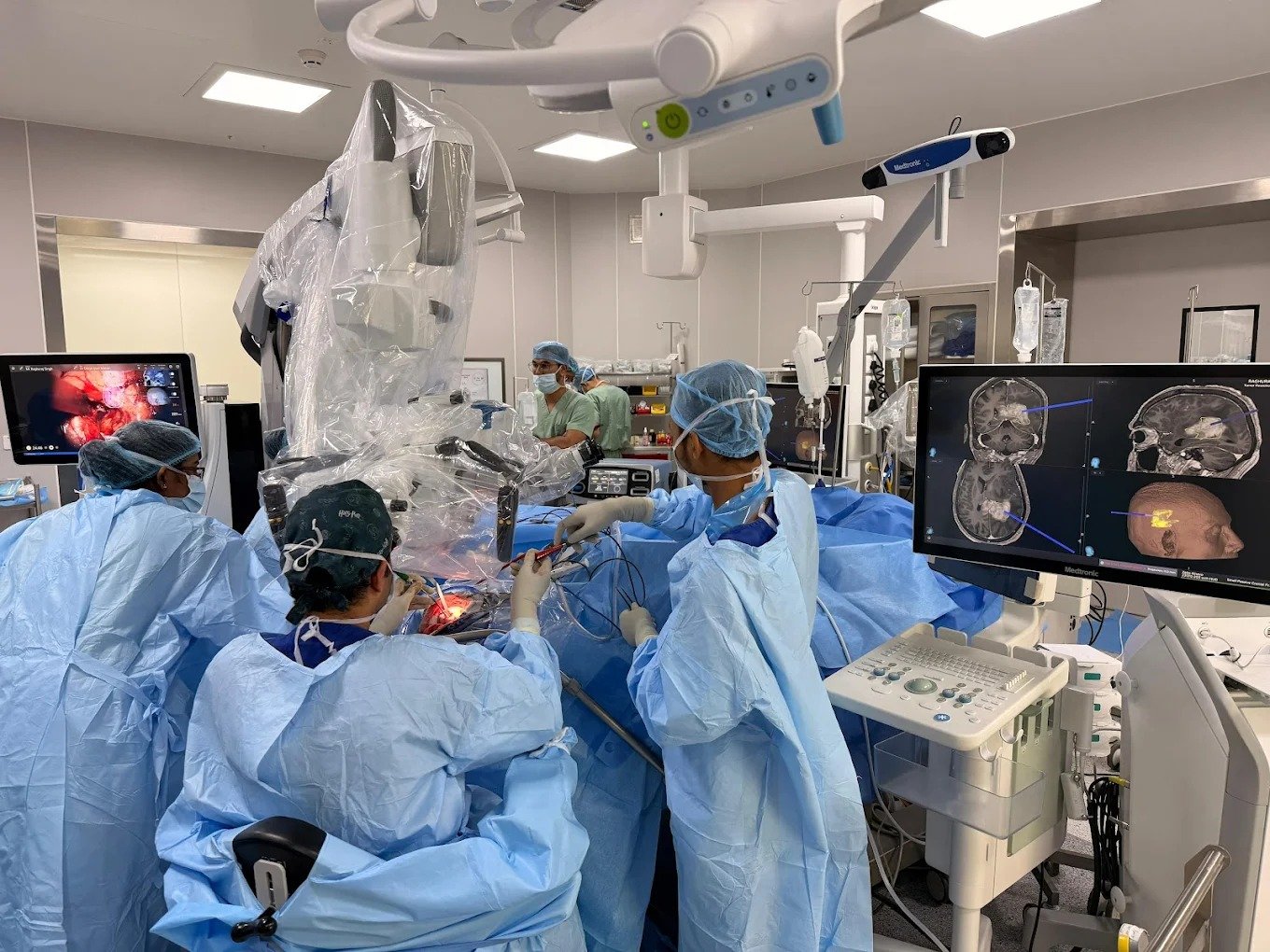
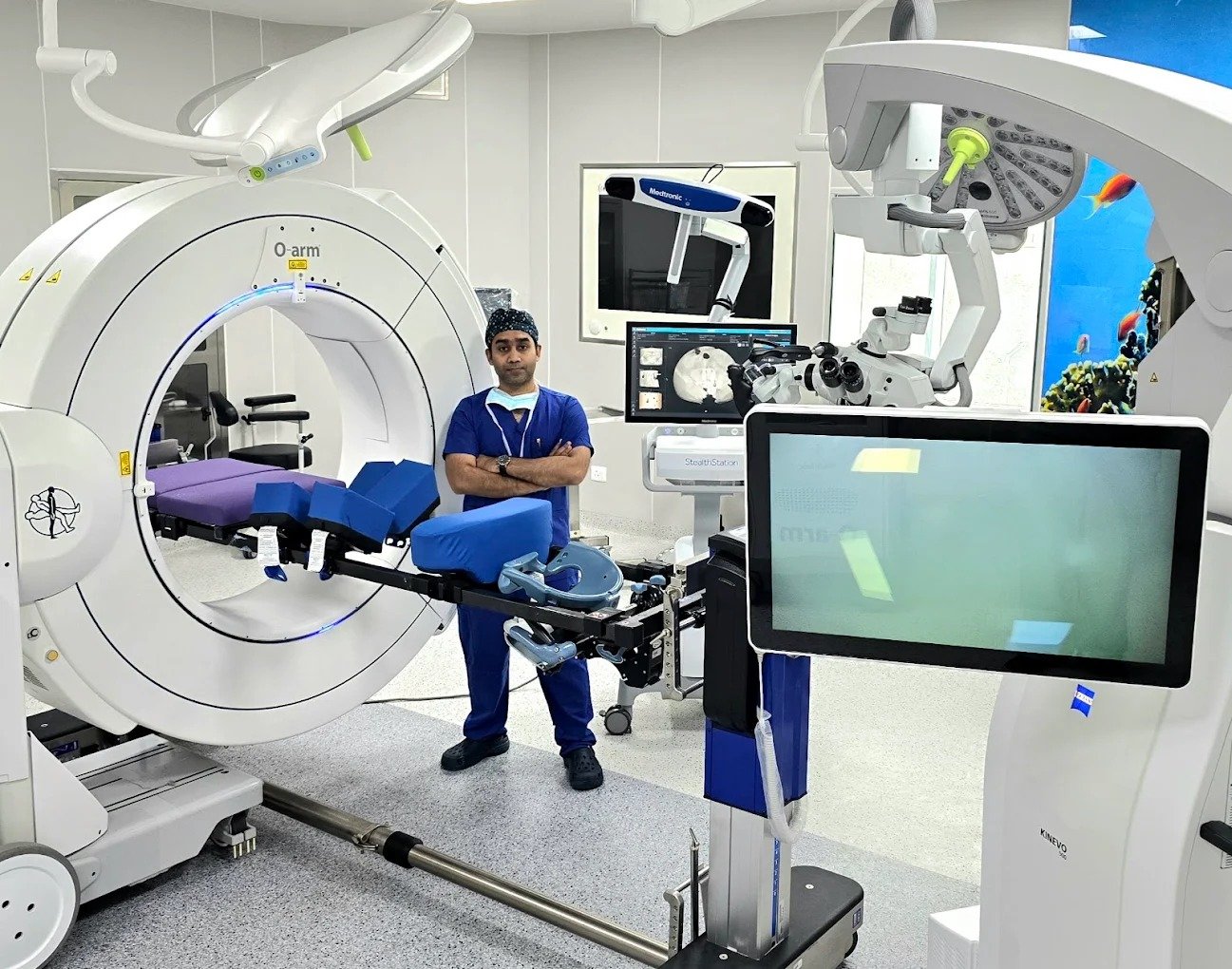
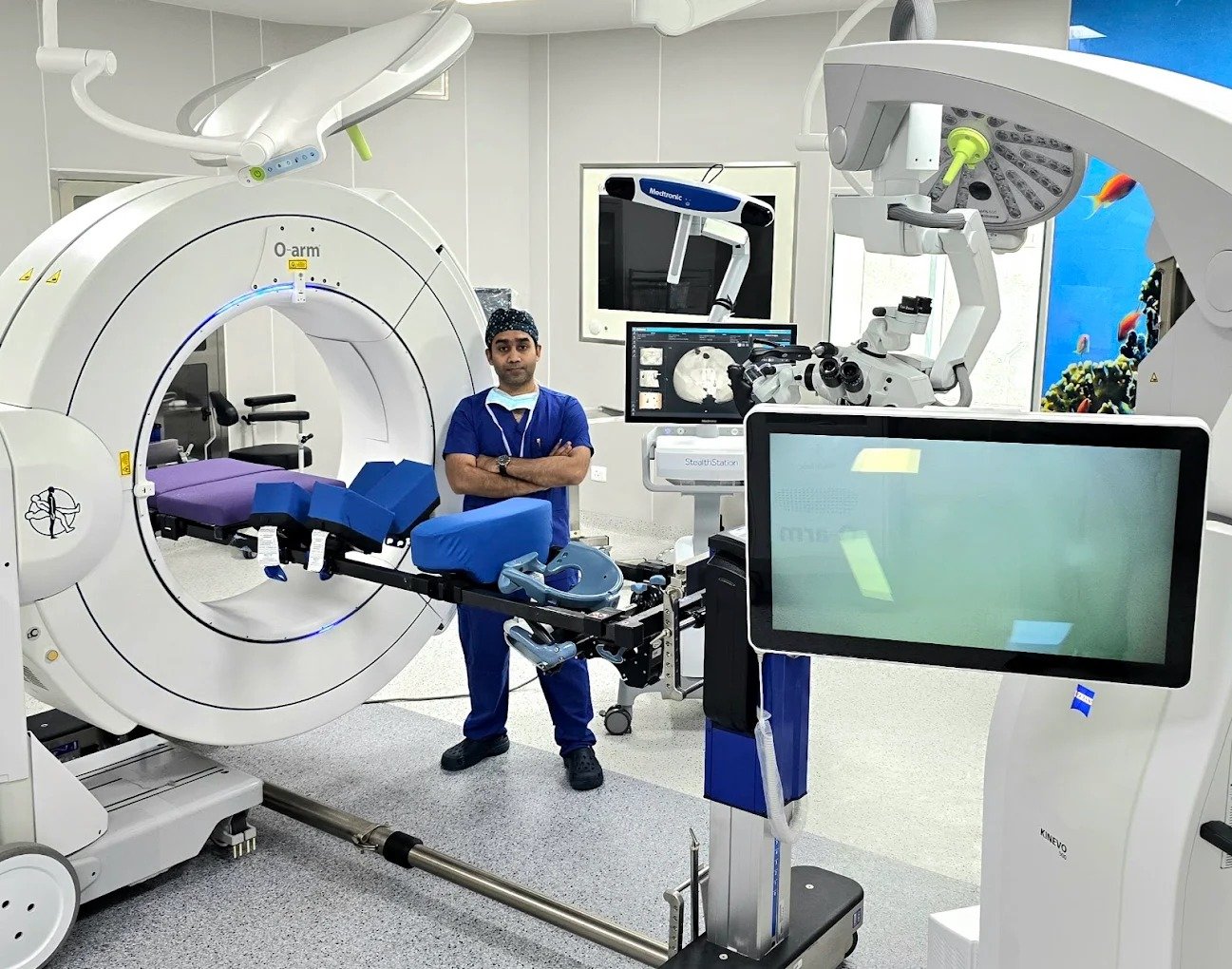
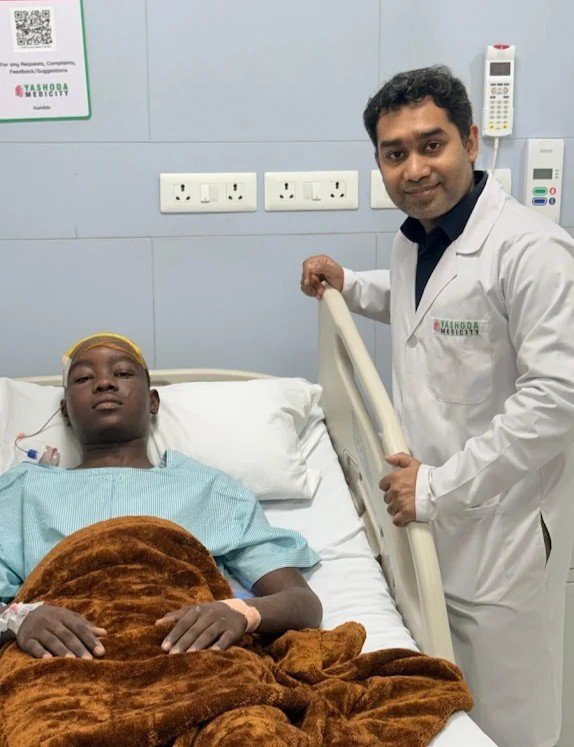
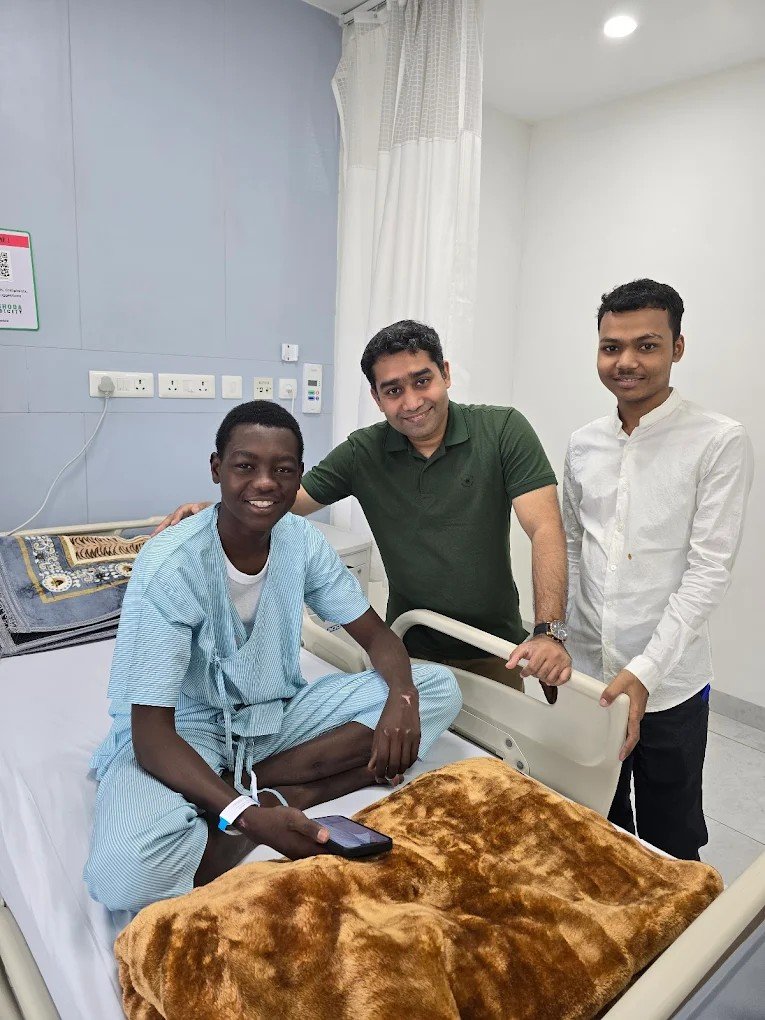
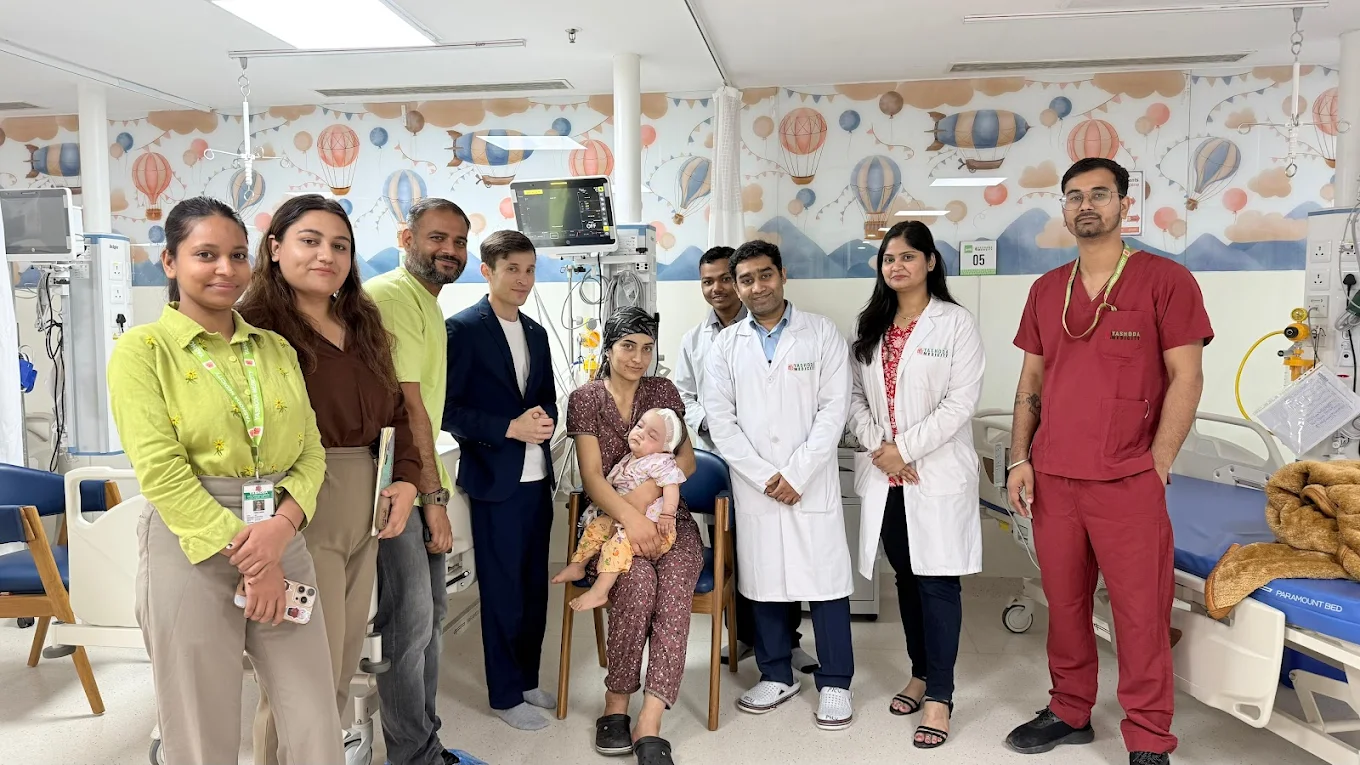
A look inside the clinic, the OT and the care that goes into every patient's journey.
FAQ
Frequently Asked Questions — Dr. Dibya Jyoti Mahakul
Answers to common questions about consultations, conditions, and treatment with Dr. Dibya Jyoti Mahakul, Senior Consultant Neurosurgeon in Delhi.
Dr. Dibya Jyoti Mahakul is a Senior Consultant Neurosurgeon in Delhi, providing consultation for brain, spine and neurovascular conditions.
Dr. Dibya Jyoti Mahakul treats brain tumour, back pain, neck pain, cervical pain, slip disc, sciatica, tremor, walking difficulty and leg pain. He also evaluates and treats brain haemorrhage, stroke, hydrocephalus, hemifacial spasm, seizures and other brain, spine and nerve conditions.
Yes. Tremor, difficulty walking and leg pain can be linked to conditions of the brain, spinal cord or spinal nerves. Dr. Mahakul evaluates these symptoms to find the cause and advise the right treatment, which may be non-surgical or surgical.
He consults at Lifecare, 11, Gagan Vihar, near Karkarimor Flyover, Krishna Nagar, Delhi – 110051.
Dr. Dibya Jyoti Mahakul serves at Sant Nirankari Health City, Nirankari Chowk, Nirankari Sarovar, Delhi – 110009.
You can book an appointment on WhatsApp at 7982619638 or call 9311986200.
Consult a neurosurgeon for persistent or worsening brain, spine or nerve-related symptoms, especially after appropriate medical evaluation.
A neurosurgeon evaluates conditions affecting the brain, spine, nerves and blood vessels of the brain, including brain haemorrhage, hydrocephalus, slipped disc and spinal disorders.
Dr. Mahakul provides specialist assessment and treatment planning for brain haemorrhage and other neurovascular emergencies.
These may be warning signs of a stroke. Seek emergency medical care immediately; do not wait for a routine appointment.
Yes. He provides specialist consultation for stroke-related conditions, including assessment of brain bleeds and neurological complications.
A neurologist primarily manages neurological conditions with medicines and non-surgical care, while a neurosurgeon is trained to assess whether surgery or a procedure may be needed for brain, spine or nerve conditions.
Brain surgery is considered only after clinical examination, imaging and a discussion of the likely benefits, risks and available alternatives.
No. The treatment plan depends on the tumour's type, size, location, growth pattern, symptoms and the patient's overall health.
Yes. A second opinion can help you understand your diagnosis, imaging findings, treatment options and whether surgery is appropriate.
Micro-neurosurgery uses magnification and specialised instruments to perform selected brain or spine procedures with precision.
Hydrocephalus is a condition involving an abnormal buildup of cerebrospinal fluid around the brain. It requires timely specialist evaluation.
Yes. He provides assessment and treatment planning for hydrocephalus, including evaluating whether a CSF diversion procedure may be appropriate.
A shunt is a medical device used in selected cases to divert excess cerebrospinal fluid. The need for it is decided after detailed specialist assessment.
Hemifacial spasm is involuntary twitching or contraction of muscles on one side of the face. A neurosurgical evaluation can help identify the cause and suitable treatment options.
Yes. Persistent or progressive facial twitching may need neurological or neurosurgical evaluation to identify the underlying cause.
Consult a spine specialist for persistent neck or back pain, radiating pain, numbness, weakness, balance issues or symptoms that affect daily activities.
Yes. He evaluates slipped disc and nerve-compression symptoms and discusses non-surgical as well as surgical treatment options when needed.
Some patients improve with medicines, activity modification, physiotherapy and time. Surgery is considered when symptoms persist, worsen or there is significant nerve compression.
Sciatica is pain that may travel from the lower back into the leg due to irritation or compression of a nerve. Seek evaluation if it is severe, persistent or associated with weakness or numbness.
Chronic neck pain may need specialist assessment when it is associated with arm pain, numbness, weakness, imbalance or imaging abnormalities.
Cervical spondylosis refers to age-related changes in the neck spine. A specialist can assess whether it is causing nerve or spinal-cord compression.
Yes. Many back-pain conditions improve with non-surgical treatment. Surgery is recommended only when clinically necessary.
Progressive weakness, worsening numbness, difficulty walking, or new bladder or bowel-control problems require urgent medical assessment.
Spinal stenosis is narrowing of spaces in the spine that can place pressure on nerves or the spinal cord.
Minimally invasive spine surgery uses smaller approaches for selected conditions. Suitability depends on the diagnosis, imaging and individual patient factors.
Kyphoplasty is a procedure considered in selected painful vertebral compression fractures to help stabilise the affected vertebra.
Patients with a painful spinal compression fracture may be assessed for kyphoplasty after examination and imaging. Not every fracture requires this procedure.
Yes. A neurosurgeon can assess painful spinal compression fractures and advise whether conservative treatment or a procedure is appropriate.
Spine surgery may be considered for significant nerve or spinal-cord compression, progressive weakness, instability, severe persistent symptoms or selected fractures.
Bring previous prescriptions, MRI/CT scans, X-rays, reports, discharge summaries, blood-test reports and a list of current medicines.
No. MRI is advised only when clinically appropriate after a doctor reviews your symptoms and examination findings.
Yes. A specialist assessment may be helpful for headaches that are new, severe, worsening or associated with neurological symptoms.
Seek urgent emergency care after a head injury with loss of consciousness, repeated vomiting, seizures, worsening headache, confusion or new weakness.
Yes. A neurosurgeon may assess seizures when structural brain causes or a surgical opinion needs to be considered.
Yes. Elderly patients can be assessed for age-related brain and spine conditions, with treatment recommendations tailored to their medical fitness and needs.
Yes. A family member can help share medical history, understand the treatment discussion and support decision-making.
Recovery varies according to the condition, procedure, age, general health and rehabilitation needs. Your expected recovery plan is discussed individually.
Every procedure has potential risks. Dr. Mahakul explains the condition-specific benefits, risks, alternatives and recovery expectations before treatment decisions are made.
Costs vary depending on the diagnosis, hospital stay, implants, investigations and procedure required. The hospital team can provide an estimate after evaluation.
Dr. Dibya Jyoti Mahakul serves patients at Sant Nirankari Health City, Nirankari Chowk, Nirankari Sarovar, Delhi – 110009.
The clinic is at Lifecare, 11, Gagan Vihar, near Karkarimor Flyover, Krishna Nagar, Delhi – 110051.
Search "Lifecare, 11 Gagan Vihar, near Karkarimor Flyover, Krishna Nagar, Delhi" on Google Maps or contact the clinic team for guidance.
Yes. Send a WhatsApp message to 7982619638 with the patient's name, age, symptoms and preferred consultation date.
Call 9311986200 for appointment assistance with Dr. Dibya Jyoti Mahakul.
Share the patient's name, age, main symptoms, previous diagnosis, available scans/reports and your preferred appointment date.
For sudden or worsening neurological symptoms, severe head injury, stroke-like signs or loss of consciousness, seek emergency medical care immediately instead of waiting for an outpatient appointment.
Book an Appointment
For brain, spine and neurosurgery consultation in Delhi, reach out to the appointment team directly.