
MMA Embolization for CSDH
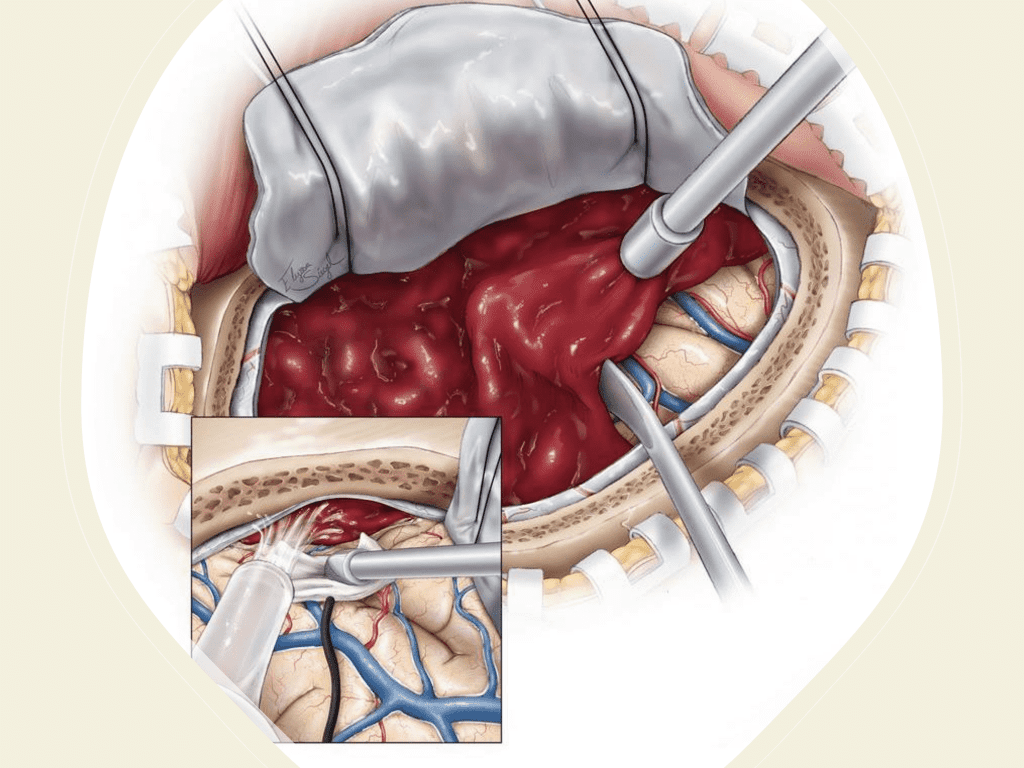
MMA (middle meningeal artery) embolization is a specialized endovascular procedure used to treat chronic subdural hematoma (CSDH), a slow collection of blood over the surface of the brain. By blocking the artery that feeds the membranes around the hematoma, the procedure helps the collection resolve and reduces the chance that it returns.
Our expert neurointerventional team offers advanced MMA embolization using state-of-the-art imaging and minimally invasive techniques to provide safe and effective care.
What is Chronic Subdural Hematoma (CSDH)?
A chronic subdural hematoma is a slow collection of blood and fluid between the surface of the brain and its outer covering (the dura). It often develops weeks after a minor head injury, which may have been forgotten, and can gradually press on the brain. It is more common in older adults and in people taking blood-thinning medications.
Early diagnosis and treatment can help prevent worsening of symptoms and serious neurological complications.
What is MMA Embolization?
The middle meningeal artery (MMA) is a blood vessel that supplies the dura. The fragile membranes surrounding a chronic subdural hematoma are fed by branches of this artery, which can cause repeated small bleeds and allow the collection to grow or return.
In MMA embolization, a catheter is guided to the middle meningeal artery and its branches are blocked with specialized embolic material. This cuts off the blood supply to the hematoma membranes, allowing the collection to gradually resolve and reducing the chance of recurrence.
Who May Benefit from MMA Embolization?
MMA embolization may be recommended for patients with:
- Recurrent chronic subdural hematoma after surgical drainage
- Chronic subdural hematoma while taking blood-thinning medications
- Higher risk with open surgical procedures
- Selected small to moderate hematomas with mild symptoms
- Need for added protection against recurrence after drainage
Suitability is decided after clinical assessment and advanced brain imaging.
Symptoms of Chronic Subdural Hematoma
Symptoms may develop gradually and can include:
- Persistent or worsening headaches
- Confusion or memory problems
- Weakness or numbness on one side of the body
- Difficulty walking or balance problems
- Difficulty speaking
- Drowsiness or reduced alertness
- Seizures
- Changes in behaviour or personality
Sudden worsening of symptoms needs emergency medical attention.
How is MMA Embolization Performed?
Step 1: Diagnostic Evaluation
Imaging studies are used to assess the hematoma and plan treatment:
- CT Scan of the brain
- MRI Brain
- Cerebral Angiography
Step 2: Catheter Navigation
A microcatheter is inserted through an artery in the wrist or groin and guided to the middle meningeal artery using real-time imaging.
Step 3: Embolization
Specialized embolic material is delivered into the middle meningeal artery branches to reduce blood flow to the hematoma membranes.
Step 4: Confirmation Imaging
Angiography confirms that the targeted vessels are blocked, and follow-up brain imaging tracks how the hematoma resolves.
Benefits of MMA Embolization
- Minimally invasive procedure
- Reduced risk of hematoma recurrence
- Option for patients at higher risk with open surgery
- Shorter hospital stay
- Faster recovery in many patients
- Can be combined with surgical drainage when needed
- Targets the cause of repeated bleeding
Recovery After MMA Embolization
Most patients recover quickly following the procedure.
Recovery may include:
- Short hospital observation
- Neurological monitoring
- Medication review by your care team
- Follow-up CT or MRI imaging
- Gradual return to normal activities
The hematoma usually shrinks gradually, so regular follow-up imaging is an important part of care.
Risks and Potential Complications
Although generally safe, potential risks may include:
- Bleeding or bruising at the access site
- Blood vessel injury
- Stroke (rare)
- Allergic reaction to contrast dye
- Infection
- Persistent hematoma that may need additional treatment
- Rare unintended blockage of nearby vessels
Our neurointerventional specialists use advanced imaging guidance to minimize these risks.
Why Choose Our Neurovascular Center?
- Expertise in complex neurovascular procedures
- Advanced MMA embolization techniques
- State-of-the-art neuroangiography facilities
- Experienced neurointerventional specialists
- Comprehensive cerebrovascular care
- Personalized treatment plans
- Multidisciplinary neuroscience team
We are committed to delivering innovative, minimally invasive solutions for patients with chronic subdural hematoma.