
Microdiscectomy – Minimally Invasive Spine Surgery for Slip Disc Relief
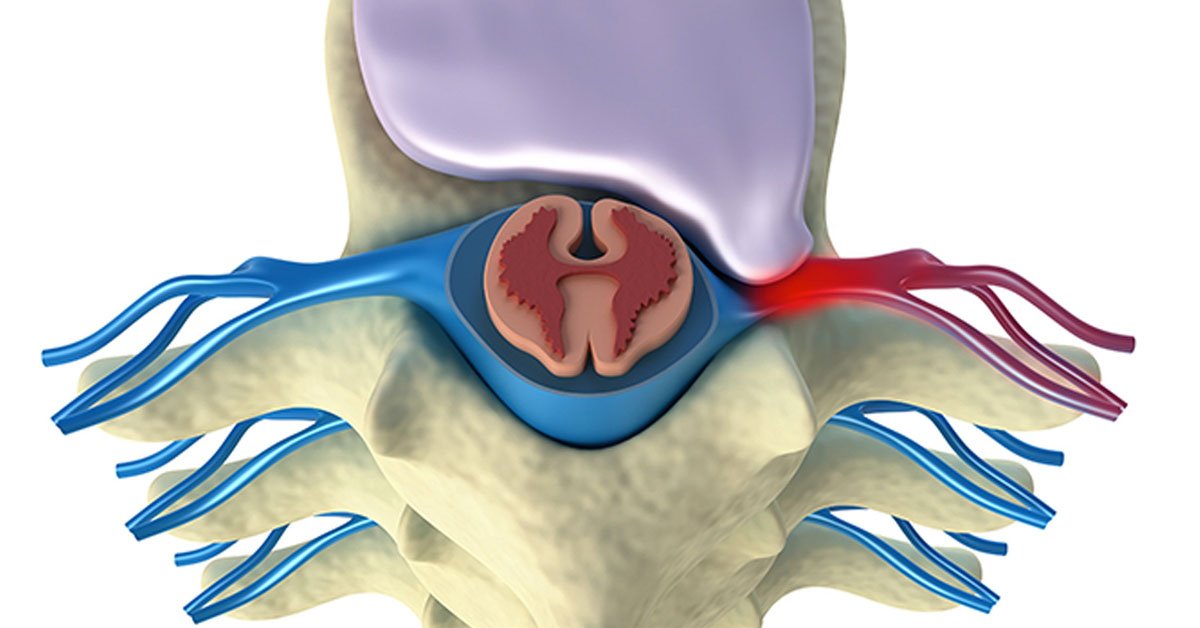
Microdiscectomy is a highly effective and minimally invasive surgical procedure used to treat a herniated (slipped) disc in the spine. It is most commonly performed to relieve pressure on spinal nerves, which can cause severe pain, numbness, or weakness, especially in the legs (a condition known as sciatica).
With advancements in surgical technology, microdiscectomy has become one of the safest and most successful procedures for spine-related nerve compression.
What is Microdiscectomy?
Microdiscectomy involves removing a small portion of the herniated disc that is pressing on a nerve root. The procedure is performed using a surgical microscope or magnifying tools, allowing the surgeon to work with high precision through a very small incision.
Unlike traditional open spine surgery, microdiscectomy preserves most of the surrounding muscles and tissues, leading to quicker recovery and less post-operative discomfort.
Who Needs Microdiscectomy?
Microdiscectomy is typically recommended for patients who:
- Have a herniated or slipped disc confirmed by MRI or CT scan
- Experience persistent leg pain (sciatica) lasting several weeks
- Have numbness, tingling, or weakness in the legs
- Do not respond to non-surgical treatments such as medications, physiotherapy, or injections
- Have difficulty walking or performing daily activities due to pain
Common Conditions Treated
Symptoms Indicating Need for Surgery
- Sharp or burning pain in the lower back and leg
- Pain that worsens with sitting, coughing, or sneezing
- Numbness or tingling in the leg or foot
- Muscle weakness in the lower limbs
- Difficulty standing or walking for long periods
If these symptoms persist despite conservative treatment, surgical intervention may be necessary.
Procedure Overview
Step 1: Pre-Surgical Evaluation
Patients undergo imaging tests such as MRI or CT scans to confirm the diagnosis and locate the affected disc.
Step 2: Surgical Procedure
- The surgery is performed under general anesthesia
- A small incision (usually 1–2 cm) is made in the lower back
- Muscles are gently moved aside, not cut
- A microscope is used to visualize the affected area
- The herniated portion of the disc is removed to relieve nerve pressure
The procedure typically takes 1 to 2 hours.
Step 3: Post-Surgery Care
After surgery, patients are monitored for a short period and encouraged to start walking within a day.
Benefits of Microdiscectomy
- Minimally invasive with a small incision
- Less damage to surrounding tissues
- Reduced blood loss and pain
- Short hospital stay (often same day or next day discharge)
- Faster recovery compared to traditional surgery
- High success rate in relieving leg pain
Risks and Complications
Although microdiscectomy is considered safe, potential risks include:
- Infection
- Bleeding
- Nerve injury
- Recurrence of disc herniation
- Persistent pain in some cases
These risks are significantly reduced when performed by an experienced neurospine surgeon.
Recovery After Microdiscectomy
Recovery is usually quick and smooth:
Patients are advised to avoid heavy lifting and strenuous activities during the recovery period.
Rehabilitation and Lifestyle Changes
To prevent recurrence and support recovery:
- Perform prescribed physiotherapy exercises
- Maintain proper posture
- Avoid prolonged sitting
- Strengthen core muscles
- Maintain a healthy weight