Brain Health: A Complete Guide to Keeping Your Brain Healthy
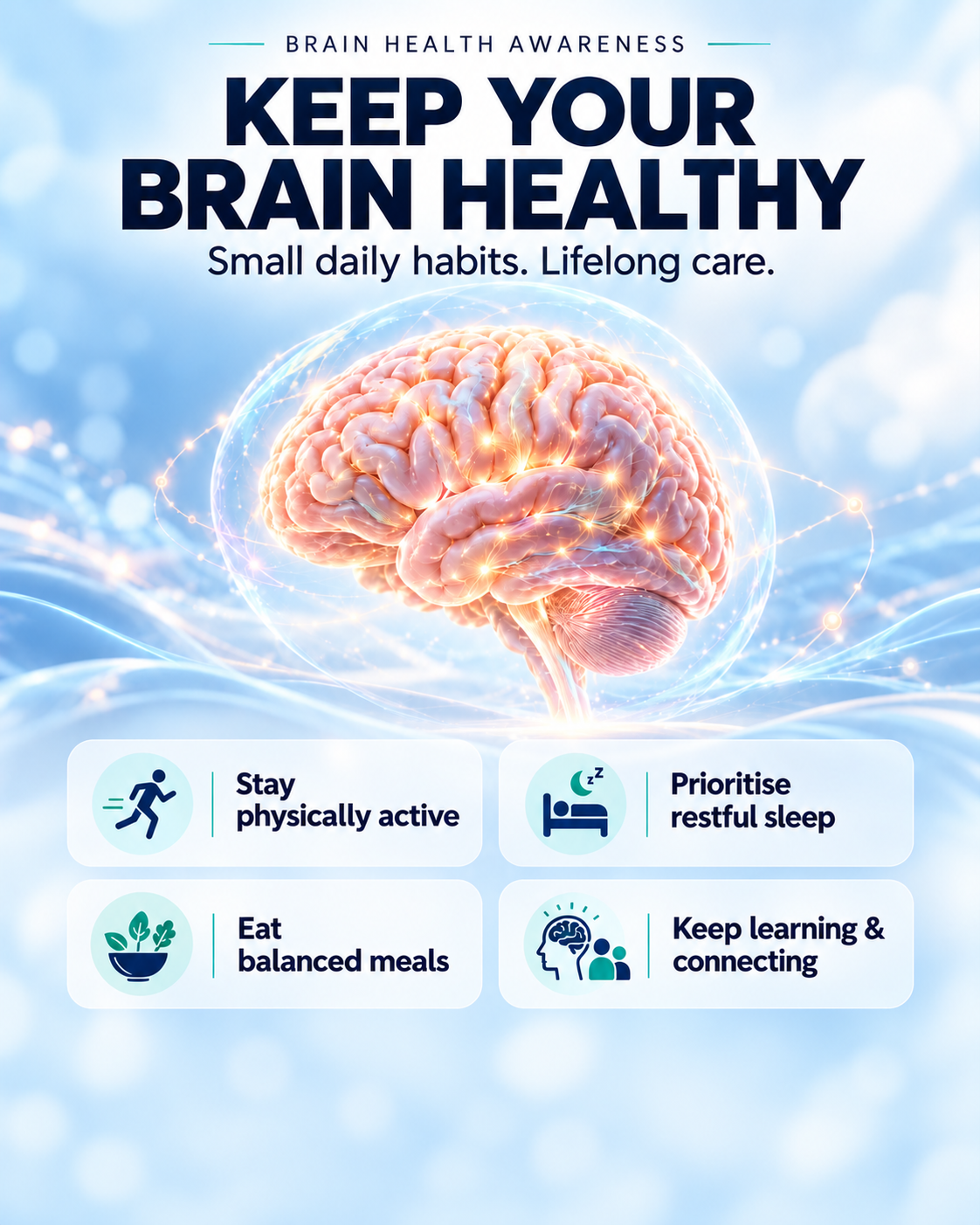
Your brain helps you think, remember, communicate, move and respond to the world around you. Looking after your brain health is important at every age, whether you are a student, a working professional or an older adult.
Healthy daily habits can support brain function and help reduce certain health risks. Equally important is recognising when symptoms need medical attention.
This guide explains practical ways to care for your brain and introduces Dr. Dibya Jyoti Mahakul, a Delhi-based neurosurgeon with expertise in brain, spine and endovascular neurosurgery.
What Is Brain Health?
Brain health includes more than a good memory. It involves your ability to learn, concentrate, manage emotions, coordinate movements and process information through your senses.
The World Health Organization describes brain health as functioning across cognitive, sensory, social-emotional, behavioural and motor areas. Physical health, a safe environment, learning, social connection and access to healthcare all influence it.
How to Keep Your Brain Healthy
1Make Physical Activity Part of Your Routine
Regular physical activity supports cognitive health, sleep and emotional wellbeing. It also helps manage conditions such as high blood pressure and diabetes.
For most adults, a useful goal is at least 150 minutes of moderate physical activity each week. Brisk walking, cycling and swimming are practical options. Start gradually and choose activities appropriate for your health and mobility. If you have a medical condition or are recovering from surgery, ask your treating doctor about suitable exercise.
2Eat a Balanced Diet
Choose varied, nutritious meals that include vegetables, fruits, whole grains, pulses and suitable protein sources. Limit excess salt, added sugar and saturated fat, and maintain adequate hydration.
A healthy eating pattern supports overall health, but no single food can guarantee a stronger memory or prevent a neurological condition. Evidence for specific diets preventing cognitive decline remains mixed.
3Prioritise Consistent, Restful Sleep
Most adults need around seven to nine hours of sleep each night. Poor sleep can affect concentration, memory and mood.
Try to maintain consistent sleep and wake times and create a comfortable sleeping environment. Persistent sleep problems deserve medical attention, particularly when they interfere with daytime functioning.
4Keep Learning and Stay Connected
Reading, learning a language, practising music or taking up a new skill can help you remain mentally engaged. Choose activities you enjoy and can continue regularly.
Social connection matters too. Make time for conversations, shared activities and meaningful relationships. Learning and social participation are recognised parts of supporting brain health throughout life.
5Manage Your Overall Health
Brain health and general health are closely connected. Keep up with recommended check-ups and work with your doctor to manage blood pressure, diabetes and cholesterol.
Avoid tobacco, limit alcohol and discuss any medication-related changes in memory or alertness with your doctor. Hearing and vision problems also deserve assessment. Do not stop prescribed medicines without medical advice.
6Protect Yourself From Head Injuries
Preventing injury is another part of brain care. Use appropriate protective equipment during activities, wear a helmet when riding a two-wheeler and reduce fall hazards at home.
Protecting the brain involves both healthy habits and safer surroundings. These measures remain valuable even for people already living with a neurological condition.
Brain Warning Signs You Should Never Ignore
Some neurological symptoms require emergency assessment. Seek immediate help for:
- Sudden weakness or numbness, particularly on one side of the body.
- Sudden difficulty speaking or understanding speech.
- Sudden loss of vision or a significant change in eyesight.
- Sudden difficulty walking, severe imbalance or loss of coordination.
- A sudden, unusually severe headache.
These can be signs of a stroke. Call emergency services immediately, note when the symptoms started and do not wait for a routine clinic appointment. Even symptoms that disappear can represent a transient ischaemic attack and still need emergency care.
About Dr. Dibya Jyoti Mahakul
Dr. Dibya Jyoti Mahakul is a neurosurgeon whose clinical expertise includes brain, spine and endovascular neurosurgery.
His qualifications and training include:
- MS from PGIMER, Chandigarh.
- MCh in Neurosurgery from AIIMS, New Delhi.
- Further international training in Japan, South Korea, China and the United States.
His hospital profile describes specialised expertise in cerebrovascular surgery, skull base surgery, neuro-oncology, minimally invasive spine surgery and endovascular neurosurgery. These areas involve conditions affecting the brain, spine and the blood vessels supplying the nervous system.
Looking for a Neurosurgeon From Delhi, Noida or IP Extension?
When choosing a doctor for a brain or spine concern, consider their recognised qualifications, relevant specialist training and experience with your particular condition. Clear explanations of the diagnosis, treatment options and follow-up plan are also important.
People living in Delhi, Noida or IP Extension who wish to consult Dr. Dibya Jyoti Mahakul can contact his team to confirm the appropriate Delhi consultation location and appointment availability.
His website currently lists:
Appointment numbers: +91 93119 86200 / +91 79826 19638
Frequently Asked Questions About Brain Health
What are the most useful daily habits for brain health?
Regular physical activity, adequate sleep, balanced meals, social connection and management of existing health conditions form a practical foundation. Consistency matters more than relying on a single food or activity.
Can healthy habits prevent every brain disorder?
No. Brain health is influenced by several factors, including genetics, age, environment, injuries and medical conditions. Healthy habits can support wellbeing and reduce some risks, but they do not guarantee prevention.
Can someone from Noida or IP Extension book a consultation?
You can contact Dr. Mahakul’s appointment team to arrange a consultation at a listed Delhi location. Confirm the clinic and timing before travelling.
Should sudden weakness wait for a specialist appointment?
No. Sudden weakness, facial drooping or speech difficulty may indicate a stroke. Seek emergency medical help immediately, even if the symptoms improve.
Need to Consult a Neurosurgeon?
Speak to Dr. Dibya Jyoti Mahakul’s team to confirm clinic location and appointment availability.
This article is for general information only and is not a substitute for professional medical advice, diagnosis or treatment.