
Spine Health: A Complete Guide to a Healthy and Strong Spine
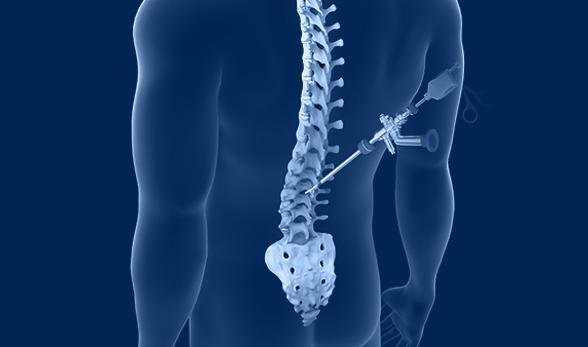
Back stiffness after a long working day, recurring lower back pain or discomfort during everyday activities can affect your quality of life. Looking after your spine health starts with understanding how to support your back and when symptoms need medical attention.
Regular movement, suitable strengthening exercises and healthy daily habits can help maintain mobility. However, persistent pain, numbness or weakness should not be ignored.
For people considering back pain treatment in Delhi, identifying the cause is an important first step. Dr. Dibya Jyoti Mahakul is a Delhi-based neurosurgeon with training in brain, spine and endovascular neurosurgery, including minimally invasive spine surgery. You can read about his qualifications and experience on his website.
- Stay gently active, and change position often if you sit for long hours. See the 6 tips
- Build back, abdomen, hip and leg strength gradually.
- See a doctor if pain lasts beyond a few weeks or comes with numbness or weakness. When to consult
- Bladder or bowel changes with back pain need emergency care. Warning signs
Understanding Spine Health and Back Pain
Your spine provides support and flexibility while protecting the spinal cord and nerves. Its bones, discs, joints, muscles and ligaments work together to help you move.
Back pain can feel different from person to person. It may remain in one area, cause stiffness or travel into the buttocks and legs. Tingling, numbness or weakness may occur alongside pain.
Symptoms alone do not always reveal the cause. A medical assessment helps determine whether the problem involves muscles, joints, discs, nerves or another condition.
Practical Tips for a Healthy Spine
1Build Movement Into Your Day
Choose activities you can maintain consistently, such as comfortable walking. If your work involves prolonged sitting, change position regularly and take short movement breaks.
During uncomplicated back pain, prolonged bed rest is generally discouraged. Continue manageable activities and increase movement gradually as symptoms allow.
2Strengthen Your Back and Supporting Muscles
Exercise can help build the strength needed for daily activities. A balanced programme may include the back, abdomen, hips and legs.
If you have ongoing pain, a physiotherapist can recommend exercises based on your symptoms and ability. Start gradually rather than moving straight into demanding workouts. Stop and seek advice if exercise causes worsening pain or new neurological symptoms.
3Make Sitting and Lifting More Comfortable
Use comfortable back support and avoid staying in the same position for extended periods. During long drives, take breaks to stand and walk.
When carrying objects, keep the load manageable. Divide heavier loads into smaller ones and ask for help when necessary. Avoid movements that clearly aggravate your symptoms.
4Support Your Bones With Balanced Nutrition
Calcium and vitamin D are important for bone health. Calcium-rich options include dairy products, calcium-fortified alternatives and calcium-set tofu.
Eat a varied diet and discuss supplements with your doctor if you have osteoporosis, a restricted diet or a suspected deficiency. Supplements are not a general cure for lower back pain.
5Choose Exercise That Suits Your Bone Health
Weight-bearing and resistance exercises support bones and muscles. Walking and suitable strength exercises are practical options for many people.
If you have osteoporosis or a previous spinal fracture, ask a healthcare professional which activities are appropriate. Your exercise plan may need changes to reduce injury risk.
6Find a Comfortable Sleeping Position
Some people find side sleeping with a pillow between the knees helpful. Others prefer sleeping on their back with a pillow beneath the knees.
Choose a supported position that feels comfortable. Pain that repeatedly disturbs sleep or becomes worse at night should be discussed with a doctor.
When Should You Seek a Spine Consultation?
Occasional discomfort may settle, but recurring or persistent symptoms deserve attention. Arrange a medical assessment if your pain is not improving after a few weeks or is limiting normal activities. You can book a consultation with Dr. Mahakul’s team.
Seek prompt advice for:
- Pain accompanied by persistent numbness or tingling.
- Weakness in a leg or foot.
- Increasing difficulty walking.
- Back pain following an injury.
- Fever, unexplained weight loss or feeling generally unwell.
- Worsening pain or pain that regularly interrupts sleep.
Warning Signs That Require Emergency Assessment
Some symptoms should not wait for a routine appointment. Seek emergency care if back pain occurs with:
- New difficulty passing urine or loss of bladder control.
- Loss of bowel control.
- Numbness around the genitals, anus or inner thighs.
- Rapidly worsening weakness, especially in both legs.
- Symptoms following a serious accident.
These signs can indicate a serious spinal problem. Do not delay emergency assessment while trying home remedies or exercises.
Back Pain Treatment: Does Everyone Need Surgery?
No. Many people improve with nonsurgical care, which may include appropriate activity, physiotherapy and medicines selected by a clinician.
Surgery may be considered for certain diagnosed conditions when other treatment has not helped, or when the clinical situation requires it. Seeing a spine specialist is an opportunity to understand the cause and discuss suitable options. It does not automatically mean that surgery is necessary. You can see the full list of services offered by Dr. Mahakul.
Choosing a Spine Specialist in Delhi
When looking for a spine specialist in Delhi, consider recognised qualifications, relevant training and experience with your condition. A consultation should help you understand your diagnosis, the available options and the reasons for a proposed treatment.
Questions you can bring to your appointment:
- What could be causing my symptoms?
- Do I need any investigations?
- Which activities can I continue?
- What nonsurgical options are appropriate?
- When should I return for reassessment?
- If surgery is suggested, what are the benefits, risks and alternatives?

About Dr. Dibya Jyoti Mahakul
Dr. Dibya Jyoti Mahakul completed postgraduate surgical training at PGIMER, Chandigarh, followed by an MCh in Neurosurgery from AIIMS, New Delhi.
His hospital profile describes further training in Japan, South Korea, China and the United States, with expertise that includes minimally invasive spine surgery, cerebrovascular surgery, skull base surgery, neuro-oncology and endovascular neurosurgery. Read his full profile →
Patients living in Delhi, Noida or IP Extension who wish to consult him can contact his team to confirm appointment availability at a listed Delhi location.
For appointments: +91 93119 86200 or +91 79826 19638. Confirm the clinic and timing before travelling.
Frequently Asked Questions
What are useful daily habits for spine health?
Regular movement, appropriate strengthening exercises, balanced nutrition and changing position during prolonged sitting can support your back. Choose activities suited to your health and symptoms.
Is walking suitable for lower back pain?
Walking can be a manageable way to remain active. Start with a comfortable distance and build up gradually. Seek advice if it worsens symptoms or you develop weakness or numbness.
When should I see a doctor for recurring back pain?
Arrange an assessment when pain keeps returning, affects daily activities or does not improve after a few weeks. Associated weakness, numbness, fever or unexplained weight loss requires prompt attention. Request an appointment.
Does consulting a neurosurgeon mean I need spine surgery?
No. Treatment depends on the cause and clinical findings. Many back problems are managed with nonsurgical options, while surgery is considered for selected conditions. See the services page for more.
Can patients from Noida or IP Extension book an appointment?
Patients from these areas can contact Dr. Mahakul’s team to arrange a consultation at his listed Delhi locations. Confirm availability and the correct address before your visit. Contact us.
Explore More
Struggling With Back Pain?
Speak to Dr. Dibya Jyoti Mahakul’s team to confirm clinic location and appointment availability.
This article is for general education and does not replace an individual medical assessment.