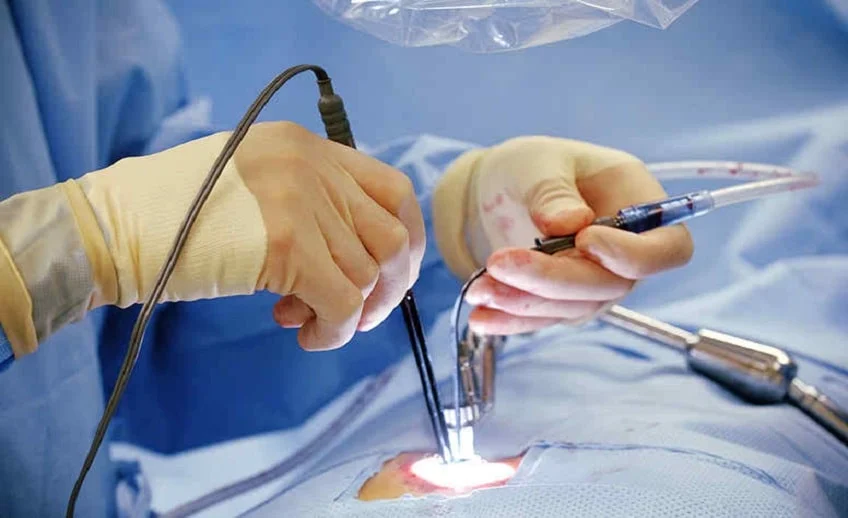
Endoscopic Spine Surgery – Advanced Minimally Invasive Treatment for Spine Disorders
Endoscopic spine surgery is a cutting-edge, minimally invasive technique used to treat various spinal conditions with high precision and minimal tissue damage. By using a small camera (endoscope) and specialized instruments, surgeons can access the spine through tiny incisions, offering effective relief from pain while ensuring faster recovery and fewer complications compared to traditional open surgery.
What is Endoscopic Spine Surgery?
Endoscopic spine surgery involves inserting a thin tube equipped with a high-definition camera into the spine through a small incision. The camera provides a magnified view of the affected area on a monitor, allowing the surgeon to perform delicate procedures with exceptional accuracy.
This technique avoids large cuts and extensive muscle dissection, making it one of the least invasive spine surgery options available today.
Who Needs Endoscopic Spine Surgery?
This procedure is ideal for patients who:
- Experience chronic back or neck pain
- Have a herniated or slipped disc
- Suffer from nerve compression causing leg or arm pain
- Have spinal stenosis (narrowing of the spinal canal)
- Do not respond to conservative treatments such as medications or physiotherapy
Conditions Treated
- Herniated disc (slip disc)
- Sciatica
- Spinal stenosis
- Degenerative disc disease
- Foraminal stenosis (narrowing of nerve exit pathways)
- Selected spinal infections and tumors
Types of Endoscopic Spine Surgery
-
Endoscopic Discectomy
Removal of herniated disc material compressing the nerve.
-
Endoscopic Decompression
Relieves pressure on spinal nerves by removing bone or soft tissue.
-
Endoscopic Foraminotomy
Widens the space where nerves exit the spine.
Procedure Overview
-
Pre-Surgical Evaluation
Patients undergo imaging tests such as MRI, CT scans, or X-rays to confirm the diagnosis and plan the procedure.
-
Surgical Procedure
- Performed under local or general anesthesia
- A small incision (often less than 1 cm) is made
- The endoscope is inserted to visualize the spine
- Specialized instruments are used to treat the affected area
- Minimal disruption to surrounding muscles and tissues
The procedure usually takes 30 minutes to 2 hours, depending on complexity.
-
Post-Surgery Care
Patients are monitored briefly and are often discharged the same day.
Benefits of Endoscopic Spine Surgery
- Minimally invasive: Tiny incision with minimal tissue damage
- Less pain: Reduced post-operative discomfort
- Faster recovery: Quick return to daily activities
- Short hospital stay: Often same-day discharge
- Minimal blood loss and scarring
- High precision: Enhanced visualization during surgery
Risks and Complications
Although generally safe, possible risks include:
- Infection
- Bleeding
- Nerve injury
- Incomplete symptom relief
- Recurrence of disc herniation
These risks are significantly reduced when performed by an experienced neurospine surgeon.
Recovery After Endoscopic Spine Surgery
Recovery is typically rapid:
- Walking: Within hours after surgery
- Return to Work: Usually within 1–2 weeks
- Full Recovery: Within a few weeks
- Pain Relief: Often immediate or within days
Patients are advised to avoid heavy lifting and follow post-operative guidelines.
Endoscopic vs Traditional Spine Surgery
| Feature | Endoscopic Surgery | Traditional Surgery |
|---|---|---|
| Incision Size | Very small | Large |
| Muscle Damage | Minimal | Significant |
| Pain | Less | More |
| Recovery Time | Faster | Longer |
| Hospital Stay | Same day/1 day | Several days |
Success Rate
Endoscopic spine surgery has a high success rate, especially for conditions like herniated discs and nerve compression. Most patients experience significant relief from pain and improved mobility.