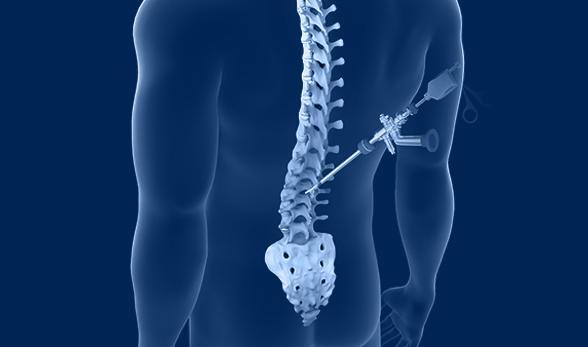
MIS Spine (Minimally Invasive Spine Surgery) – Advanced Treatment for Spine Disorders
Minimally Invasive Spine Surgery (MIS Spine) is a modern surgical approach designed to treat spinal conditions with minimal damage to surrounding muscles and tissues. Unlike traditional open spine surgery, MIS uses small incisions, specialized instruments, and advanced imaging techniques to achieve precise results with faster recovery and less pain.
What is MIS Spine Surgery?
MIS spine surgery involves performing spinal procedures through small incisions using tools such as tubular retractors, endoscopes, and microscopes. Surgeons rely on real-time imaging (like fluoroscopy or navigation systems) to accurately access the affected area without cutting large sections of muscle.
This approach is widely used for both simple and complex spinal conditions, offering effective outcomes with reduced surgical trauma.
Who Needs MIS Spine Surgery?
MIS spine surgery is recommended for patients who:
- Have chronic back or neck pain not relieved by medications or physiotherapy
- Suffer from nerve compression causing pain, numbness, or weakness
- Have spinal instability or degenerative conditions
- Want faster recovery and minimal surgical impact
Common Conditions Treated
- Herniated or slipped disc
- Spinal stenosis
- Degenerative disc disease
- Spondylolisthesis
- Spinal fractures
- Spine infections and tumors (selected cases)
Types of MIS Spine Procedures
-
Microdiscectomy
Removal of herniated disc material pressing on nerves.
-
Minimally Invasive Laminectomy
Decompression of spinal nerves by removing a small portion of bone.
-
MIS Spinal Fusion
Stabilization of the spine using small incisions and specialized implants.
-
Endoscopic Spine Surgery
Use of a camera-guided system to treat spinal conditions with extreme precision.
Advantages of MIS Spine Surgery
- Smaller incisions: Minimal scarring
- Less muscle damage: Preserves surrounding tissues
- Reduced pain: Less post-operative discomfort
- Faster recovery: Early return to daily activities
- Short hospital stay: Often same-day or 1–2 days
- Lower risk of infection and bleeding
Procedure Overview
-
Pre-Surgical Evaluation
Patients undergo imaging tests such as MRI, CT scans, and X-rays to identify the problem and plan the procedure.
-
Surgical Procedure
- Performed under general or local anesthesia
- Small incisions are made
- Specialized instruments and imaging guidance are used
- The affected area is treated with precision
The duration varies depending on the procedure but is usually shorter than traditional surgery.
-
Post-Surgery Care
Patients are encouraged to move early and are monitored for a short period before discharge.
Recovery After MIS Spine Surgery
Recovery is quicker compared to open surgery:
- Hospital Stay: Same day or 1–2 days
- Walking: Within hours or next day
- Return to Work: 1–3 weeks (depending on job type)
- Full Recovery: A few weeks
Patients experience less pain and faster healing.
Risks and Complications
Although MIS spine surgery is safer, potential risks include:
- Infection
- Bleeding
- Nerve injury
- Incomplete relief in rare cases
- Need for revision surgery
These risks are significantly lower compared to traditional surgery.
MIS Spine vs Traditional Spine Surgery
| Feature | MIS Spine | Traditional Surgery |
|---|---|---|
| Incision Size | Small | Large |
| Muscle Damage | Minimal | Significant |
| Pain | Less | More |
| Recovery Time | Faster | Longer |
| Hospital Stay | Short | Longer |
Success Rate of MIS Spine Surgery
MIS spine surgery has a high success rate, especially for conditions like herniated discs and spinal stenosis. Most patients experience significant pain relief and improved mobility.