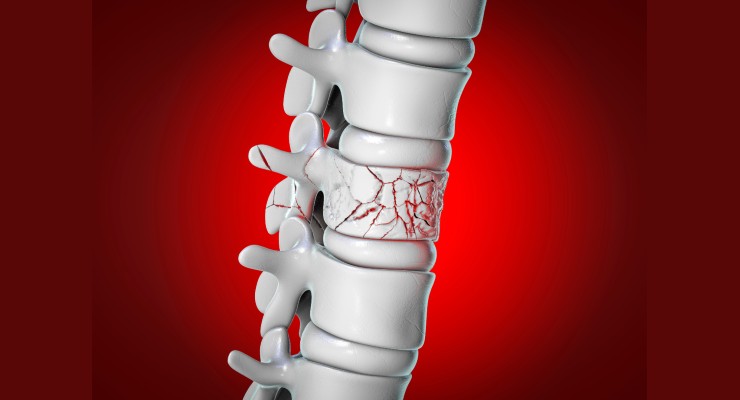
Kyphoplasty – Minimally Invasive Treatment for Spinal Compression Fractures
Kyphoplasty is an advanced, minimally invasive spine procedure used to treat painful vertebral compression fractures (VCFs), most commonly caused by osteoporosis. It helps restore the height of the collapsed vertebra, stabilize the fracture, and significantly reduce back pain. With quicker recovery and minimal surgical trauma, kyphoplasty has become a preferred treatment for many patients suffering from spine fractures.
Kyphoplasty is a procedure in which a small balloon is inserted into a fractured vertebra and gently inflated to create space. This space is then filled with a special medical-grade bone cement, which stabilizes the bone and restores its shape. The procedure not only relieves pain but also improves spinal alignment and posture.
Who Needs Kyphoplasty?
Kyphoplasty is recommended for patients who:
- Have painful vertebral compression fractures due to osteoporosis
- Experience severe back pain not relieved by medications or rest
- Have fractures caused by trauma or certain cancers (in selected cases)
- Show reduced mobility or difficulty performing daily activities
Causes of Vertebral Compression Fractures
- Osteoporosis: Weakens bones, making them prone to fractures
- Trauma or injury: Falls or accidents
- Spinal tumors or cancer: Weakening of bone structure
- Long-term steroid use: Reduces bone density
Symptoms of Spinal Compression Fractures
- Sudden onset of back pain
- Pain that worsens with standing or walking
- Reduced spinal mobility
- Loss of height over time
- Stooped posture (kyphosis)
Procedure Overview
-
Pre-Surgical Evaluation
Before the procedure, patients undergo imaging tests such as X-rays, MRI, or CT scans to confirm the fracture and assess suitability.
-
Kyphoplasty Procedure
- Performed under local or general anesthesia
- A small incision is made in the back
- A balloon is inserted into the fractured vertebra and inflated
- The balloon is removed, and bone cement is injected into the space
- The cement hardens quickly, stabilizing the bone
The procedure typically takes 30 to 60 minutes per vertebra.
-
Post-Procedure Care
Patients are observed for a few hours and may go home the same day or the next day.
Benefits of Kyphoplasty
- Rapid and significant pain relief
- Minimally invasive with small incisions
- Short hospital stay (often same-day discharge)
- Restoration of vertebral height
- Improved posture and mobility
- Reduced risk of further spinal deformity
Risks and Complications
Although kyphoplasty is generally safe, possible risks include:
- Infection
- Bleeding
- Cement leakage (rare)
- Allergic reaction to materials
- Adjacent vertebral fractures (in some cases)
Choosing an experienced neurospine surgeon greatly reduces these risks.
Recovery After Kyphoplasty
Recovery is usually quick:
- Pain Relief: Often within 24–48 hours
- Activity: Light activities can be resumed within a few days
- Return to Normal Life: Usually within 1–2 weeks
- Follow-Up: Regular check-ups to monitor healing
Patients are encouraged to gradually increase activity levels as advised by their doctor.
Rehabilitation and Prevention
To maintain spine health and prevent future fractures:
- Treat underlying osteoporosis
- Take calcium and vitamin D supplements
- Engage in weight-bearing exercises
- Maintain good posture
- Avoid smoking and excessive alcohol
Kyphoplasty vs Vertebroplasty
| Feature | Kyphoplasty | Vertebroplasty |
|---|---|---|
| Balloon Use | Yes | No |
| Height Restoration | Possible | Not possible |
| Risk of Cement Leakage | Lower | Slightly higher |
| Procedure Complexity | Slightly more advanced | Simpler |
Success Rate of Kyphoplasty
Kyphoplasty has a high success rate, with most patients experiencing significant pain relief and improved function. It is especially effective when performed early after a fracture.