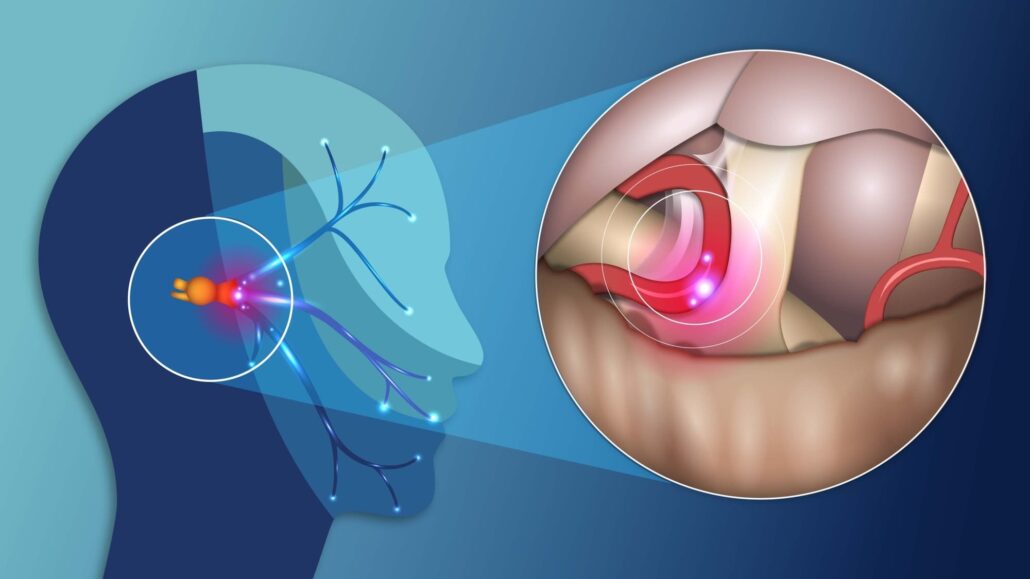
Trigeminal Neuralgia – Causes, Symptoms, and Advanced Treatment
Trigeminal Neuralgia (TN) is a chronic neurological condition characterized by sudden, severe, and recurrent facial pain. It affects the trigeminal nerve, which is responsible for transmitting sensations from the face to the brain. Often described as one of the most painful conditions, trigeminal neuralgia can significantly impact a person's quality of life if not treated properly.
What is Trigeminal Neuralgia?
The trigeminal nerve has three branches:
- Ophthalmic (forehead and eyes)
- Maxillary (cheeks and upper jaw)
- Mandibular (lower jaw)
Trigeminal neuralgia occurs when this nerve is irritated or compressed, leading to intense bursts of pain. The condition usually affects one side of the face and is more common in individuals over the age of 50, although it can occur at any age.
Causes of Trigeminal Neuralgia
The most common cause is compression of the trigeminal nerve by a blood vessel, which disrupts normal nerve function. Other causes include:
- Aging-related changes in blood vessels
- Multiple sclerosis (MS)
- Tumors pressing on the nerve
- Facial trauma or injury
- Post-surgical complications
In some cases, no clear cause is identified.
Symptoms of Trigeminal Neuralgia
- Sudden, severe, electric shock-like facial pain
- Pain lasting from a few seconds to minutes
- Repeated episodes throughout the day
- Pain triggered by routine activities such as chewing, talking, brushing teeth, or touching the face
- Pain typically affects one side of the face
Over time, the frequency and intensity of pain episodes may increase.
Diagnosis
Diagnosis is primarily clinical, based on symptoms and patient history. However, imaging tests such as MRI scans are often used to:
- Identify nerve compression
- Rule out tumors or multiple sclerosis
- Plan treatment
Early diagnosis is crucial to prevent worsening of symptoms.
Treatment Options
Treatment for trigeminal neuralgia focuses on reducing pain and improving quality of life. Options include:
-
Medications
Anticonvulsants (e.g., carbamazepine), muscle relaxants, and pain relievers are usually the first line of treatment but may lose effectiveness over time.
-
Minimally Invasive Procedures
Radiofrequency ablation, balloon compression, and glycerol injection are less invasive options suitable for patients who cannot undergo major surgery.
-
Microvascular Decompression (MVD)
A surgical procedure that relieves pressure on the trigeminal nerve by repositioning or removing the blood vessel causing compression. It is considered one of the most effective long-term treatments.
-
Stereotactic Radiosurgery (Gamma Knife)
A non-invasive treatment that uses focused radiation to target the trigeminal nerve and reduce pain signals.
Role of a Neurospine Surgeon
An experienced neurospine surgeon plays a key role in managing trigeminal neuralgia, especially in advanced or medication-resistant cases. Their expertise ensures:
- Accurate diagnosis and evaluation
- Selection of the most appropriate treatment
- Safe and precise surgical intervention
- Comprehensive post-treatment care
Benefits of Early Treatment
- Better pain control
- Reduced frequency of attacks
- Prevention of disease progression
- Improved quality of life
Risks and Complications
If left untreated, trigeminal neuralgia can lead to severe emotional stress, depression, anxiety, difficulty eating and speaking, and reduced quality of life. Surgical treatments may carry minor risks such as numbness, infection, or recurrence, but these are minimized with expert care.
Recovery and Lifestyle Management
After treatment, patients are advised to avoid known triggers, maintain oral hygiene carefully, follow prescribed medications, and attend regular follow-ups. Recovery time varies depending on the treatment method, but many patients experience significant pain relief.