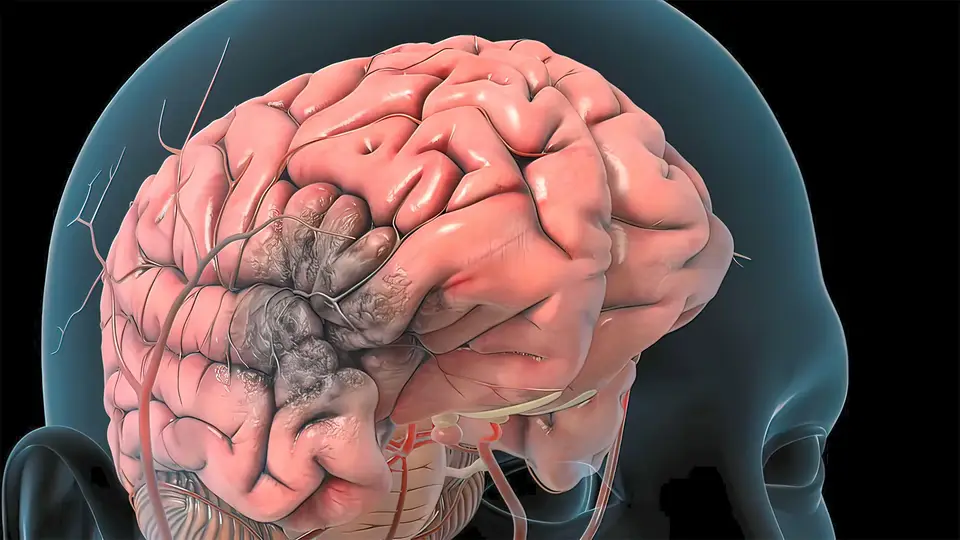
Brain Hemorrhage Surgery – Emergency Neurosurgical Care by Expert Neurospine Surgeon
Brain hemorrhage surgery is a life-saving procedure performed to treat bleeding within or around the brain. A brain hemorrhage, also known as a stroke caused by bleeding, occurs when a blood vessel ruptures, leading to pressure on brain tissues and disruption of normal function. Immediate medical attention and timely surgical intervention are critical to prevent permanent brain damage or death.
An experienced neurospine surgeon plays a crucial role in diagnosing and managing brain hemorrhages using advanced imaging techniques like CT scans and MRI. The goal of surgery is to stop the bleeding, relieve pressure on the brain, and repair damaged blood vessels whenever possible.
What is a Brain Hemorrhage?
A brain hemorrhage refers to bleeding inside the brain (intracerebral) or between the brain and skull (subdural or epidural). It is a medical emergency that requires urgent care.
Common Causes
- High blood pressure (hypertension)
- Head injury or trauma
- Ruptured aneurysm
- Blood vessel abnormalities (AVMs)
- Blood-thinning medications
- Brain tumours
Symptoms of Brain Hemorrhage
- Sudden, severe headache
- Loss of consciousness
- Weakness or paralysis on one side of the body
- Difficulty speaking or understanding speech
- Vision problems
- Seizures
- Nausea and vomiting
When is Brain Hemorrhage Surgery Required?
Surgery may be needed when:
- There is significant bleeding causing pressure on the brain
- The patient's condition is worsening
- A blood clot (hematoma) needs removal
- There is a ruptured aneurysm or vascular abnormality
Types of Brain Hemorrhage Surgeries
- Craniotomy: A portion of the skull is temporarily removed to access the brain and remove the blood clot or repair the bleeding vessel.
- Minimally Invasive Surgery: Small openings and specialized instruments are used to remove clots with less damage to surrounding tissues.
- Endoscopic Surgery: A thin tube with a camera is inserted to locate and treat the bleeding area with precision.
- Aneurysm Clipping or Coiling: Procedures used to treat ruptured aneurysms and prevent further bleeding.
Benefits of Timely Surgery
- Reduces pressure on the brain
- Prevents further bleeding
- Improves chances of survival
- Minimizes long-term neurological damage
Risks and Complications
Like any major surgery, risks may include:
- Infection
- Bleeding
- Swelling of the brain
- Neurological deficits
- Stroke or seizures
However, with an experienced neurospine surgeon and advanced technology, these risks are significantly reduced.
Recovery After Brain Hemorrhage Surgery
Recovery depends on the severity of the hemorrhage and the patient's overall health.
- ICU Care: Close monitoring after surgery
- Rehabilitation: Physiotherapy, speech therapy, and occupational therapy
- Medications: To control blood pressure, prevent seizures, and reduce swelling
- Follow-Up: Regular check-ups and imaging
Recovery may take weeks to months, and early rehabilitation plays a key role in regaining function.