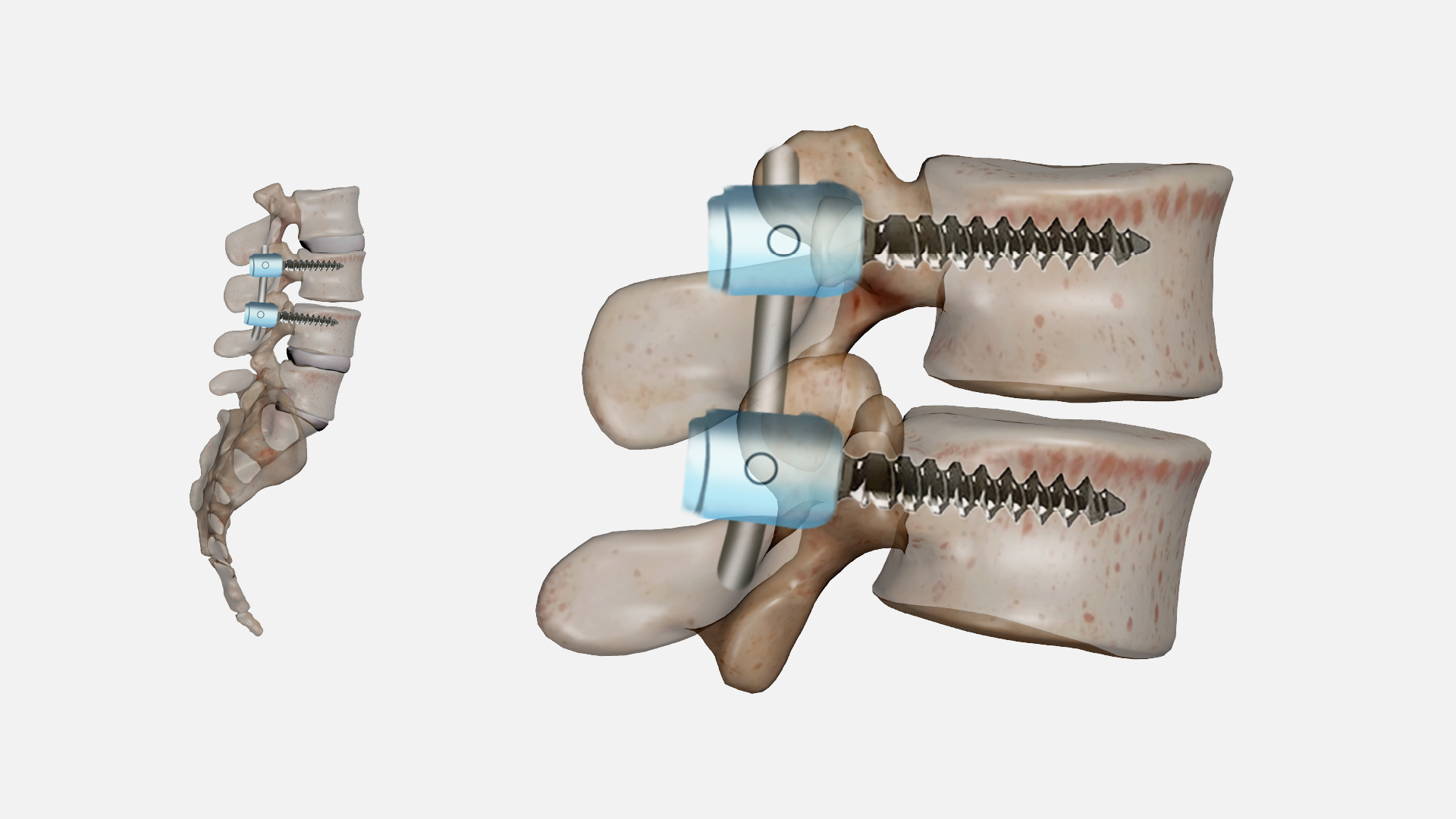
Spinal Fusion – Advanced Surgical Solution for Spine Stability
Spinal fusion is a widely performed surgical procedure designed to join two or more vertebrae in the spine, eliminating movement between them. This helps stabilize the spine, reduce pain, and correct deformities caused by various spinal conditions. It is commonly recommended when conservative treatments such as medications, physiotherapy, or injections fail to provide relief.
The spine is made up of multiple vertebrae separated by intervertebral discs that allow flexibility and movement. In certain conditions, these structures become unstable or damaged, leading to pain and nerve compression.
Spinal fusion works by permanently connecting two or more vertebrae using bone grafts, screws, rods, or cages. Over time, the bones fuse into a single solid structure, improving stability and reducing pain.
Who Needs Spinal Fusion?
Spinal fusion is typically recommended for patients who:
- Have chronic back pain not relieved by non-surgical treatments
- Experience spinal instability or abnormal movement
- Have conditions like degenerative disc disease or spinal deformities
- Suffer from nerve compression causing pain, weakness, or numbness
- Require stabilization after tumor removal or trauma
Common Conditions Treated
- Degenerative disc disease
- Spinal stenosis
- Spondylolisthesis (slipped vertebra)
- Scoliosis or spinal deformities
- Herniated discs (in selected cases)
- Spinal fractures or trauma
- Spine infections or tumors
Types of Spinal Fusion
-
Posterior Lumbar Fusion (PLF)
Performed from the back of the spine.
-
Anterior Lumbar Interbody Fusion (ALIF)
Approach through the front (abdomen).
-
Transforaminal Lumbar Interbody Fusion (TLIF)
A minimally invasive approach from the side of the spine.
-
Cervical Fusion
Fusion performed in the neck region.
Procedure Overview
-
Pre-Surgical Evaluation
Patients undergo imaging tests such as MRI, CT scans, and X-rays to assess the spine and plan surgery.
-
Surgical Procedure
- Performed under general anesthesia
- The surgeon accesses the spine through the selected approach
- Damaged disc or tissue is removed
- Bone graft is placed between vertebrae
- Metal implants (screws/rods) are used for stability
The surgery typically takes 2 to 6 hours, depending on complexity.
-
Post-Surgery Care
Patients are monitored in the hospital and gradually encouraged to move.
Benefits of Spinal Fusion
- Stabilizes the spine
- Reduces or eliminates chronic pain
- Improves spinal alignment
- Prevents further damage or deformity
- Enhances quality of life and mobility
Risks and Complications
As with any major surgery, spinal fusion carries some risks:
- Infection
- Bleeding
- Nerve injury
- Failure of bone fusion (non-union)
- Hardware complications
- Reduced spinal flexibility
These risks are minimized when performed by an experienced neurospine surgeon.
Recovery After Spinal Fusion
Recovery takes longer compared to minimally invasive procedures:
- Hospital Stay: 3–5 days
- Initial Recovery: 4–6 weeks
- Bone Fusion Process: Several months
- Return to Work: 6–12 weeks (depending on job type)
Patients may need to wear a brace and follow activity restrictions during healing.
Rehabilitation and Lifestyle Changes
Proper rehabilitation is essential for successful outcomes:
- Physiotherapy to restore strength and flexibility
- Avoid heavy lifting and bending
- Maintain good posture
- Engage in low-impact exercises
- Maintain a healthy weight
Success Rate of Spinal Fusion
Spinal fusion has a success rate of 70–90%, depending on the condition and patient factors. Many patients experience significant pain relief and improved function.
Spinal Fusion vs Other Treatments
| Treatment | Purpose | When Used |
|---|---|---|
| Physiotherapy | Strengthens muscles | Mild conditions |
| Medications | Pain relief | Early stages |
| Injections | Temporary relief | Moderate cases |
| Spinal Fusion | Permanent stabilization | Severe or chronic conditions |