Epilepsy Surgery – Advanced Treatment for Drug-Resistant Seizures
Epilepsy surgery is a specialized and highly effective treatment option for patients who continue to experience seizures despite taking medications. Known as drug-resistant epilepsy, this condition can significantly affect a person’s daily life, safety, and overall well-being. With advancements in neurosurgery and technology, epilepsy surgery offers the possibility of long-term seizure control and, in some cases, complete freedom from seizures.
What is Epilepsy?
Epilepsy is a neurological disorder characterized by recurrent, unprovoked seizures caused by abnormal electrical activity in the brain. Seizures can vary from brief lapses in awareness to severe convulsions. While many patients respond well to medications, about 20–30% do not achieve adequate control and may require surgical evaluation.
What is Epilepsy Surgery?
Epilepsy surgery involves removing, disconnecting, or modifying the part of the brain responsible for seizures. The primary goal is to eliminate or significantly reduce seizure activity without affecting essential brain functions such as speech, movement, or memory.
Who is a Candidate for Epilepsy Surgery?
Surgery is typically recommended for patients who:
- Have seizures that are not controlled with two or more medications
- Experience frequent or severe seizures affecting quality of life
- Have a clearly identifiable seizure focus in the brain
- Do not have seizures originating from critical brain areas that control vital functions
Careful selection of patients is essential to ensure the best outcomes.
Types of Epilepsy Surgery
-
Resective Surgery
This is the most common type of epilepsy surgery. It involves removing the area of the brain where seizures originate, such as a portion of the temporal lobe.
-
Laser Interstitial Thermal Therapy (LITT)
A minimally invasive technique where a laser is used to destroy seizure-causing tissue with precision. It results in smaller incisions, less pain, and faster recovery.
-
Corpus Callosotomy
This procedure involves cutting the corpus callosum, the structure that connects the two halves of the brain. It prevents the spread of seizures from one side to the other.
-
Vagus Nerve Stimulation (VNS)
A small device is implanted under the skin of the chest, which sends electrical signals to the brain through the vagus nerve to help control seizures.
-
Deep Brain Stimulation (DBS)
Electrodes are implanted in specific brain regions to regulate abnormal electrical activity and reduce seizure frequency.
Pre-Surgical Evaluation
Before surgery, patients undergo a detailed evaluation to determine the exact location of seizure activity and assess surgical safety. This includes:
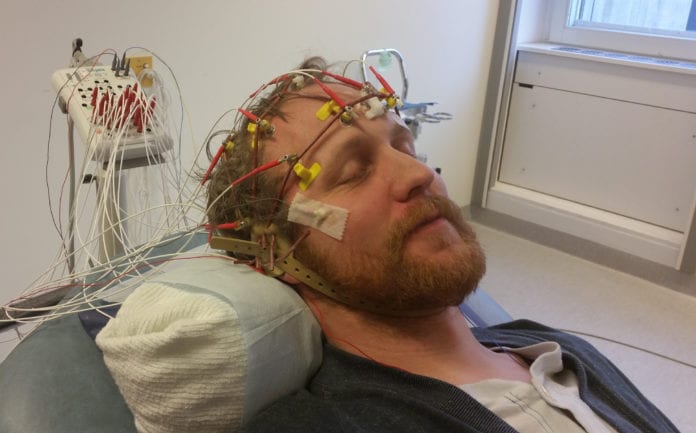
- Electroencephalogram (EEG): Measures brain electrical activity
- Video EEG Monitoring: Records seizures in real time
- MRI Scan: Identifies structural abnormalities
- CT Scan or PET Scan: Provides additional imaging
- Neuropsychological Testing: Evaluates memory, language, and cognitive function
This comprehensive assessment helps create a personalized treatment plan.
Benefits of Epilepsy Surgery
- Significant reduction or complete control of seizures
- Improved quality of life and independence
- Reduced reliance on medications and their side effects
- Better cognitive, emotional, and social functioning
- Lower risk of injury caused by seizures
Risks and Complications
As with any brain surgery, epilepsy surgery carries certain risks, although they are minimized with experienced care:
- Infection or bleeding
- Temporary or permanent neurological deficits
- Memory or speech difficulties
- Seizure recurrence in some cases
A skilled neurospine surgeon carefully evaluates risks and benefits before recommending surgery.
Recovery After Epilepsy Surgery
Recovery varies depending on the type of procedure and the patient’s overall health.
- Hospital Stay: Typically 3–7 days
- Initial Recovery: A few weeks of rest and gradual return to activities
- Follow-Up Care: Regular check-ups and imaging
- Medication Adjustment: Some patients may continue medications initially
- Rehabilitation: May include physical or cognitive therapy if needed
Many patients notice improvement in seizure control within months of surgery.
Role of a Neurospine Surgeon
An experienced neurospine surgeon plays a crucial role in epilepsy management, especially in surgical and interventional procedures. Their expertise ensures:
- Accurate diagnosis and seizure mapping
- Use of advanced surgical technologies
- Safe and precise procedures
- Personalized care and long-term follow-up
Lifestyle After Epilepsy Surgery
After surgery, patients are encouraged to adopt a healthy lifestyle to support recovery and prevent complications:
- Take medications as prescribed
- Maintain a regular sleep schedule
- Avoid seizure triggers such as stress or alcohol
- Follow safety precautions during recovery
- Attend regular follow-up visits