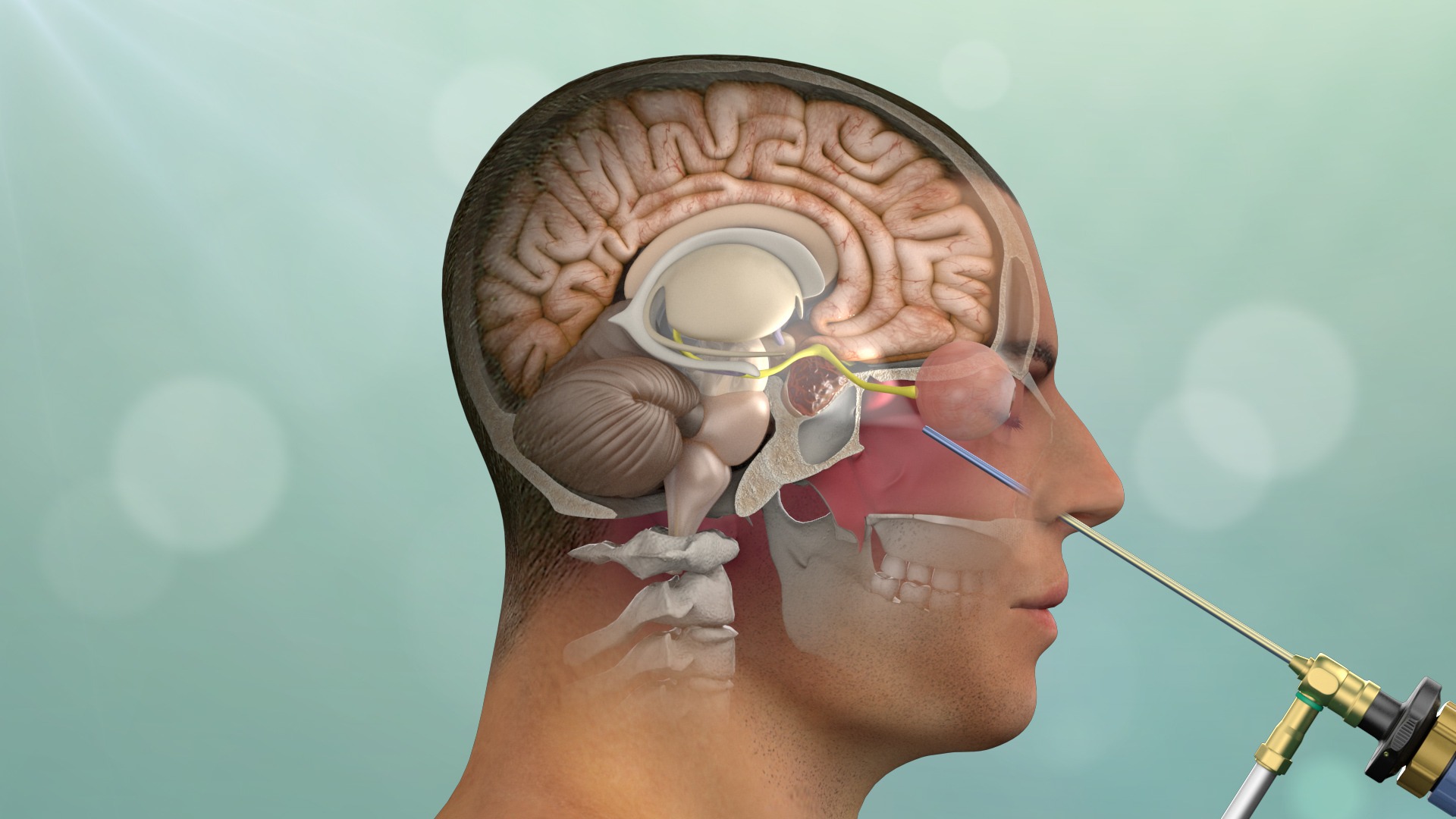
Endoscopic Brain Surgery – Minimally Invasive Neurosurgical Excellence
Endoscopic brain surgery is an advanced, minimally invasive technique used to diagnose and treat various brain conditions with greater precision and safety. By using a thin, flexible tube called an endoscope—equipped with a high-definition camera and light source—surgeons can access deep areas of the brain through small openings. This modern approach has transformed neurosurgery by reducing trauma to healthy tissues, shortening recovery time, and improving patient outcomes.
What is Endoscopic Brain Surgery?
Endoscopic brain surgery involves inserting a narrow tube (endoscope) into the brain through a small incision or natural openings such as the nose (endonasal approach). The endoscope transmits real-time images to a monitor, allowing the surgeon to perform delicate procedures with enhanced visualization.
Unlike traditional open brain surgery, which may require large incisions and significant tissue exposure, endoscopic techniques minimize disruption to surrounding brain structures.
Conditions Treated with Endoscopic Brain Surgery
Endoscopic brain surgery is widely used for a variety of neurological conditions, including:
- Brain tumors (especially deep-seated or ventricular tumors)
- Pituitary tumors (via transnasal approach)
- Hydrocephalus (fluid buildup in the brain)
- Arachnoid cysts
- Skull base tumors
- Intraventricular lesions
- Certain cases of brain hemorrhage
Types of Endoscopic Brain Surgery
-
Endoscopic Transnasal (Endonasal) Surgery
Performed through the nasal passages, this approach is commonly used for pituitary tumors and skull base lesions. It avoids external incisions and provides direct access to the base of the brain.
-
Endoscopic Intraventricular Surgery
Used to treat conditions within the brain’s ventricles (fluid-filled spaces), such as hydrocephalus or cysts.
-
Endoscopic-Assisted Microsurgery
Combines traditional microsurgery with endoscopic visualization to enhance precision and access.
Advantages of Endoscopic Brain Surgery
Endoscopic techniques offer several benefits compared to conventional open surgery:
- Minimally invasive: Smaller incisions and less tissue damage
- Reduced pain: Less postoperative discomfort
- Faster recovery: Shorter hospital stay and quicker return to normal life
- Minimal scarring: Especially with transnasal approaches
- Lower risk of complications: Reduced bleeding and infection risk
- Enhanced visualization: High-definition imaging improves surgical accuracy
Procedure Overview
-
Pre-Surgical Evaluation
Patients undergo detailed imaging tests such as MRI or CT scans to determine the exact location and nature of the condition. Additional tests may be performed to assess overall health and surgical suitability.
-
Surgical Procedure
- The patient is placed under general anesthesia
- A small incision or natural pathway is used to insert the endoscope
- Real-time images guide the surgeon during the procedure
- Specialized instruments are used to remove tumors, drain fluid, or repair structures
-
Post-Surgical Care
After surgery, patients are monitored in the recovery unit or ICU. Pain management, infection prevention, and neurological assessments are conducted regularly.
Recovery After Endoscopic Brain Surgery
Recovery is generally faster compared to traditional brain surgery. Key aspects include:
- Hospital Stay: Usually shorter (2–5 days in many cases)
- Pain Management: Minimal discomfort due to smaller incisions
- Return to Activities: Patients can often resume daily activities within a few weeks
- Follow-Up: Regular imaging and consultations to monitor healing
Recovery time may vary depending on the condition treated and the patient’s overall health.
Risks and Complications
Although endoscopic brain surgery is considered safe, potential risks include:
- Infection
- Bleeding
- Cerebrospinal fluid (CSF) leak
- Temporary neurological symptoms
- Recurrence of the condition
These risks are significantly reduced when the procedure is performed by an experienced neurospine surgeon using advanced technology.
Role of a Neurospine Surgeon
A neurospine surgeon trained in endoscopic techniques plays a vital role in ensuring successful outcomes. Their expertise includes:
- Accurate diagnosis and surgical planning
- Skilled handling of delicate brain structures
- Use of advanced navigation systems
- Minimizing risks and complications
- Providing comprehensive post-operative care
Who is a Candidate for Endoscopic Brain Surgery?
Not all patients are suitable candidates. Ideal candidates include those with:
- Small to medium-sized tumors
- Deep-seated lesions accessible through endoscopic routes
- Conditions like hydrocephalus or cysts
- Preference for minimally invasive procedures
A thorough evaluation is necessary to determine suitability.
Benefits of Early Treatment
- Prevents progression of neurological conditions
- Reduces risk of complications
- Improves treatment success rates
- Enhances quality of life