Spine Fixation for Fractures – Advanced Surgical Stabilization of the Spine
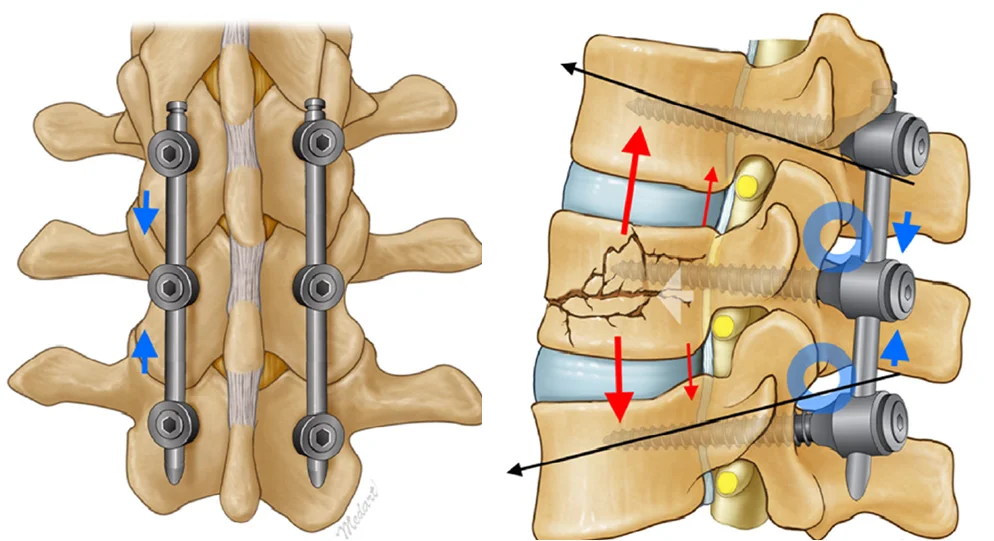
Spine fixation for fractures is a specialized surgical procedure used to stabilize broken vertebrae and restore the normal alignment of the spine. Spinal fractures can result from trauma, accidents, falls, or conditions like osteoporosis and tumors. When instability or nerve compression occurs, surgical fixation becomes essential to protect the spinal cord, relieve pain, and enable proper healing.
What is Spine Fixation?
Spine fixation is a procedure in which metal implants such as screws, rods, or plates are used to stabilize fractured or unstable vertebrae. These implants hold the spine in the correct position, allowing the bones to heal properly over time. In many cases, fixation is combined with spinal fusion to achieve long-term stability.
Causes of Spinal Fractures
Spinal fractures can occur due to various reasons, including:
- Trauma: Road accidents, falls from height, or sports injuries
- Osteoporosis: Weak bones prone to compression fractures
- Tumors: Cancer weakening the spinal structure
- Infections: Affecting bone strength
- Degenerative conditions: Age-related weakening of the spine
Types of Spinal Fractures
- Compression Fractures: Collapse of the vertebra, common in osteoporosis
- Burst Fractures: Severe fractures where bone fragments spread
- Fracture-Dislocation: Combination of fracture and misalignment
- Flexion-Distraction Injuries: Caused by sudden forward bending
Symptoms of Spinal Fractures
- Severe back or neck pain
- Difficulty standing or walking
- Loss of movement or sensation
- Numbness or tingling in limbs
- Spinal deformity or abnormal posture
- In severe cases, paralysis
Immediate medical attention is crucial if neurological symptoms are present.
Diagnosis of Spinal Fractures
Accurate diagnosis is essential for proper treatment:
- X-rays: Initial assessment of bone structure
- CT Scan: Detailed view of fractures
- MRI: Evaluates spinal cord and soft tissue involvement
- Neurological Examination: Assesses nerve function
When is Spine Fixation Required?
Surgical fixation is recommended when:
- The spine is unstable
- There is risk of spinal cord injury
- Fractures cause severe pain not relieved by conservative treatment
- There is deformity or misalignment
- Neurological symptoms such as weakness or paralysis are present
Procedure Overview
-
Pre-Surgical Evaluation
Patients undergo imaging and medical evaluation to determine the type and extent of fracture.
-
Surgical Procedure
- Performed under general anesthesia
- Small or open incision depending on technique
- Screws and rods are placed into the vertebrae
- Spine is realigned and stabilized
- Bone graft may be added for fusion
The procedure typically takes 2 to 6 hours, depending on complexity.
-
Post-Surgery Care
Patients are monitored in the hospital and may begin movement under supervision within a few days.
Minimally Invasive Spine Fixation
In selected cases, minimally invasive techniques are used:
- Smaller incisions
- Less muscle damage
- Reduced blood loss
- Faster recovery
Benefits of Spine Fixation
- Stabilizes the spine
- Protects the spinal cord and nerves
- Relieves pain
- Restores spinal alignment
- Improves mobility and function
Risks and Complications
Although generally safe, possible risks include:
- Infection
- Bleeding
- Implant failure or loosening
- Nerve injury
- Non-union of bones
These risks are minimized with experienced surgical care.
Recovery After Spine Fixation
Recovery depends on the severity of the fracture and type of surgery:
- Hospital Stay: 3–7 days
- Initial Recovery: 4–6 weeks
- Full Recovery: Several months
- Rehabilitation: Physiotherapy for strength and mobility
Patients may need to wear a brace for support during healing.
Rehabilitation and Lifestyle Changes
- Follow physiotherapy programs
- Avoid heavy lifting and sudden movements
- Maintain proper posture
- Ensure adequate calcium and vitamin D intake
- Treat underlying conditions like osteoporosis
Success Rate of Spine Fixation
Spine fixation has a high success rate, especially when performed early and combined with proper rehabilitation. Most patients experience significant pain relief and improved stability.