Endoscopic Brain Surgery: A Safer Approach for Modern Neurosurgical Treatment
Endoscopic brain surgery has emerged as a revolutionary advancement in neurosurgery, offering a minimally invasive and safer alternative to traditional open brain procedures. With improved precision, reduced recovery time, and fewer complications, this technique is rapidly becoming a preferred choice for both patients and neurosurgeons.
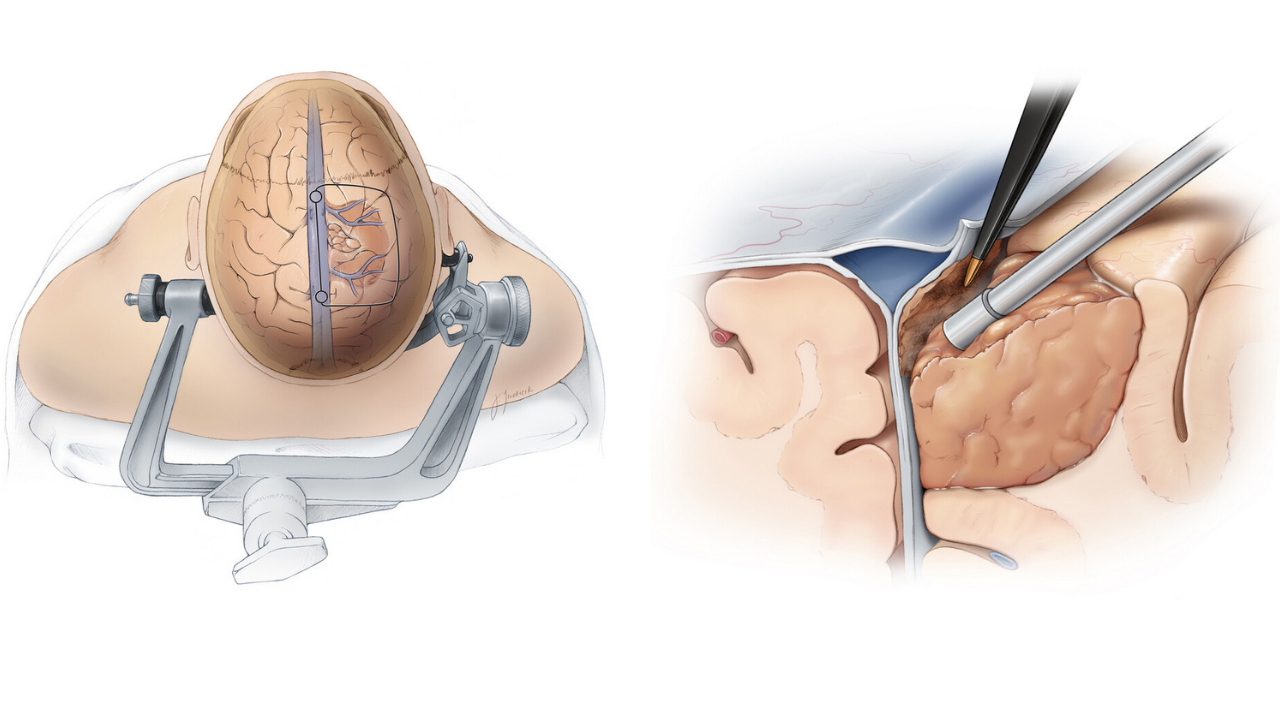
Endoscopic brain surgery is a modern surgical technique that uses a thin, flexible tube called an endoscope, equipped with a high-definition camera and light. This allows surgeons to access delicate areas of the brain through small incisions or natural openings, such as the nasal passages.
Unlike conventional brain surgery, which requires a large opening in the skull, this approach minimizes damage to healthy brain tissue.
How Endoscopic Brain Surgery Works
The procedure involves:
- Creating a small incision or using a natural pathway (like the nose)
- Inserting the endoscope to visualize the affected area
- Using specialized instruments alongside the endoscope
- Performing precise surgical removal or repair
One of the most common approaches is endoscopic endonasal surgery, which avoids external cuts and provides direct access to the skull base.
Conditions Treated with Endoscopic Brain Surgery
Endoscopic brain surgery is widely used to treat several neurological conditions, including:
- Brain tumors (especially pituitary tumors)
- Hydrocephalus (fluid buildup in the brain)
- Skull base tumors
- Brain cysts
- Certain types of brain hemorrhage
This technique is particularly effective for conditions located in deep or hard-to-reach areas.
Benefits of Endoscopic Brain Surgery
- Minimally Invasive Technique
Smaller incisions mean less trauma to the body and surrounding tissues. - Faster Recovery Time
Patients usually recover quicker and return to normal activities sooner. - Reduced Risk of Complications
There is a lower risk of infection, bleeding, and surgical complications. - Less Pain and Scarring
Minimal incisions lead to reduced pain and almost invisible scars. - High Surgical Precision
Advanced imaging and magnification allow for accurate and safe procedures.
Is Endoscopic Brain Surgery Safer?
Yes, in many cases, endoscopic brain surgery is considered safer than traditional open brain surgery. The minimally invasive nature significantly reduces risks and improves patient outcomes.
However, the safety depends on:
- The type and location of the brain condition
- The patient’s overall health
- The experience of the neurosurgeon
- Availability of advanced medical technology
In some complex cases, traditional surgery may still be necessary.
Risks and Limitations
Despite its advantages, endoscopic brain surgery has some risks:
- Infection
- Bleeding
- Cerebrospinal fluid (CSF) leakage
- Incomplete tumor removal in certain cases
Not all patients are suitable candidates, and a detailed medical evaluation is essential.
Who is an Ideal Candidate?
You may be a good candidate if:
- The condition is accessible through minimally invasive techniques
- The tumor or lesion is small or located in reachable areas
- You are medically fit for surgery
A qualified neurosurgeon will recommend the best treatment plan based on imaging and diagnosis.
Recovery After Endoscopic Brain Surgery
Recovery is generally smoother compared to traditional brain surgery:
- Hospital stay: 1–3 days
- Recovery time: A few weeks
- Follow-up: Regular monitoring and imaging
Patients are advised to follow post-surgery care instructions strictly for optimal healing.
Conclusion
Endoscopic brain surgery represents a major leap forward in neurosurgical care. Its minimally invasive nature, faster recovery, and lower risk profile make it a safer and more effective option for many patients.
If you are experiencing symptoms related to brain disorders or have been diagnosed with a neurological condition, consulting an experienced neurosurgeon can help determine whether this advanced technique is right for you.