Adult and Paediatric Brain Tumors – Comprehensive Care by Expert Neurospine Surgeon
Brain tumors can affect individuals of all ages, from young children to older adults. While the basic concept of a brain tumor remains the same—an abnormal growth of cells in the brain—the type, behavior, and treatment approach can vary significantly between adults and children. Early diagnosis and specialized care are essential to ensure the best possible outcomes.
What are Brain Tumors?
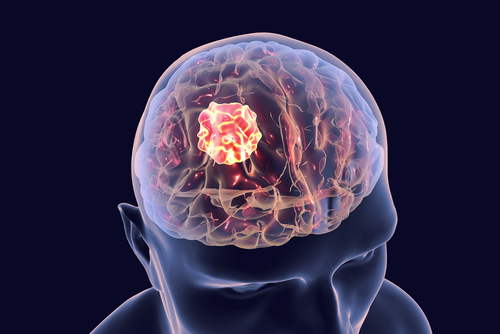
A brain tumor is an abnormal mass of tissue that forms when cells grow uncontrollably in the brain. Tumors can be:
- Benign (non-cancerous): Slow-growing and less likely to spread
- Malignant (cancerous): Fast-growing and aggressive
- Primary tumors: Originate in the brain
- Secondary (metastatic) tumors: Spread from other parts of the body
Adult Brain Tumors
Brain tumors in adults are often different in origin and behavior compared to those in children.
Common Types in Adults
- Gliomas (including glioblastoma)
- Meningiomas
- Pituitary tumors
- Metastatic brain tumors
Symptoms in Adults
- Persistent headaches
- Seizures
- Memory loss or confusion
- Vision or speech problems
- Weakness in limbs
Risk Factors
- Increasing age
- Exposure to radiation
- Genetic predisposition
- History of cancer (for metastatic tumors)
Paediatric Brain Tumors
Brain tumors are among the most common solid tumors in children and require specialized treatment approaches.
Common Types in Children
- Medulloblastoma
- Pilocytic astrocytoma
- Ependymoma
- Brainstem gliomas
Symptoms in Children
- Headaches (often worse in the morning)
- Vomiting without nausea
- Balance and coordination issues
- Behavioral changes
- Delayed development
Key Differences Between Adult and Paediatric Brain Tumors
| Feature | Adults | Children |
|---|---|---|
| Common Tumor Types | Gliomas, meningiomas | Medulloblastoma, astrocytoma |
| Location | Often in cerebral hemispheres | Frequently in cerebellum or brainstem |
| Growth Pattern | Variable | Often more aggressive |
| Treatment Approach | Surgery + radiation/chemotherapy | Multidisciplinary, child-specific care |
Diagnosis of Brain Tumors
Early and accurate diagnosis is crucial. Common diagnostic tools include:
- MRI (Magnetic Resonance Imaging): Detailed brain imaging
- CT Scan: Useful in emergencies
- Biopsy: Confirms tumor type
- Neurological Examination: Assesses brain function
Treatment Options
Treatment depends on the tumor type, size, location, and patient’s age.
- Brain Tumor Surgery
Surgery is often the first step to remove as much of the tumor as possible while preserving brain function. - Radiation Therapy
High-energy rays are used to destroy tumor cells, especially when complete removal is not possible. - Chemotherapy
Drugs are used to kill or slow the growth of cancer cells. - Targeted Therapy
Focuses on specific cancer cells with fewer side effects. - Endoscopic and Minimally Invasive Surgery
Advanced techniques that reduce recovery time and surgical risks.
Role of a Neurospine Surgeon
An experienced neurospine surgeon plays a key role in managing both adult and paediatric brain tumors by:
- Planning and performing complex brain surgeries
- Using advanced technologies like neuronavigation and microscopes
- Ensuring maximum tumor removal with minimal damage
- Coordinating with oncologists and pediatric specialists
Recovery and Rehabilitation
Recovery varies based on the type of tumor and treatment method.
- Hospital Stay: A few days to weeks
- Rehabilitation: May include physiotherapy, speech therapy, and occupational therapy
- Follow-Up: Regular scans to monitor recurrence
Children may require additional developmental support after treatment.
Challenges in Paediatric Brain Tumors
- Impact on brain development
- Long-term side effects of treatment
- Emotional and psychological effects
- Need for family-centered care
Benefits of Early Diagnosis and Treatment
- Higher chances of successful treatment
- Reduced complications
- Better neurological outcomes
- Improved quality of life