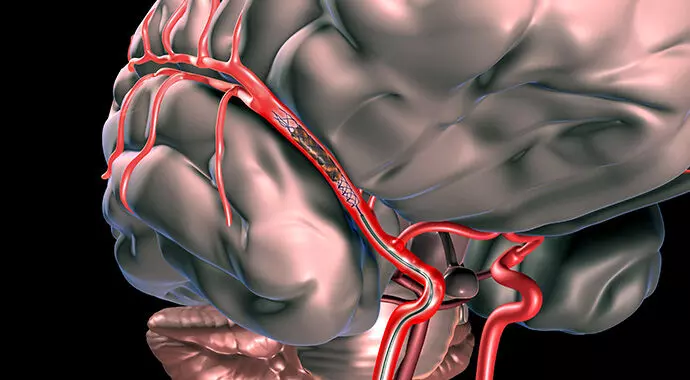
Neurovascular Surgery – Advanced Care for Brain Blood Vessel Disorders
Neurovascular surgery is a highly specialized field of neurosurgery focused on diagnosing and treating disorders of the blood vessels in the brain and spinal cord. These conditions can be life-threatening and often require urgent, precise intervention. With advancements in medical technology and surgical techniques, neurovascular surgery now offers safer, minimally invasive, and highly effective treatment options.
What is Neurovascular Surgery?
Neurovascular surgery involves the management of abnormalities affecting the brain’s blood vessels, including arteries, veins, and capillaries. The primary goal is to restore normal blood flow, prevent bleeding, and protect brain function.
This field combines microsurgery, endovascular techniques, and image-guided procedures to treat complex vascular conditions with accuracy and safety.
Common Conditions Treated
- Brain Aneurysm
A balloon-like bulge in a blood vessel that can rupture and cause bleeding in the brain - Arteriovenous Malformation (AVM)
An abnormal connection between arteries and veins, disrupting normal blood flow. - Stroke (Ischemic and Hemorrhagic)
- Ischemic stroke is caused by a blood clot
- while hemorrhagic stroke is caused by bleeding in the brain.
- Carotid Artery Disease
Narrowing of arteries supplying blood to the brain, increasing stroke risk. - Cavernous Malformations
Clusters of abnormal blood vessels that can leak blood.
Symptoms of Neurovascular Disorders
- Sudden severe headache
- Weakness or paralysis on one side
- Difficulty speaking or understanding speech
- Vision problems
- Seizures
- Loss of consciousness
- Dizziness or balance issues
These symptoms require immediate medical attention.
Diagnostic Techniques
Accurate diagnosis is essential for effective treatment. Common tests include:
- CT Scan and MRI: Detailed imaging of the brain
- CT Angiography (CTA): Visualizes blood vessels
- MR Angiography (MRA): Non-invasive vessel imaging
- Digital Subtraction Angiography (DSA): Gold standard for vascular imaging
Types of Neurovascular Surgery
- Microsurgical Clipping
Used to treat aneurysms by placing a clip at the base to stop blood flow into the bulge. - Endovascular Coiling
A minimally invasive procedure where coils are inserted into an aneurysm through a catheter to prevent rupture. - Flow Diverter Stents
Special devices placed inside arteries to redirect blood flow away from aneurysms. - AVM Resection
Surgical removal of abnormal blood vessel connections. - Thrombectomy
Removal of blood clots in cases of ischemic stroke.
Minimally Invasive Neurovascular Techniques
Modern neurovascular surgery often uses endovascular approaches, where instruments are inserted through blood vessels (usually via the groin or wrist). Benefits include:
- No large incisions
- Reduced pain and complications
- Faster recovery
- Shorter hospital stay
Benefits of Neurovascular Surgery
- Prevention of life-threatening brain hemorrhage
- Restoration of normal blood flow
- Reduced risk of stroke
- Improved neurological function
- Better long-term outcomes
Risks and Complications
While advanced techniques have improved safety, potential risks include:
- Bleeding or infection
- Stroke during or after the procedure
- Vessel damage
- Neurological deficits
Choosing an experienced neurospine surgeon significantly reduces these risks.
Recovery After Neurovascular Surgery
Recovery depends on the condition and type of procedure:
- Hospital Stay: A few days to a week
- Rehabilitation: May include physiotherapy or speech therapy
- Medications: To control blood pressure and prevent clots
- Follow-Up: Regular imaging to monitor recovery
Early intervention often leads to faster and better recovery.
Role of a Neurospine Surgeon
A skilled neurospine surgeon plays a critical role in managing neurovascular conditions by:
- Providing accurate diagnosis and treatment planning
- Performing complex microsurgical and endovascular procedures
- Using advanced technologies for precision
- Ensuring comprehensive post-operative care
Prevention of Neurovascular Disorders
- Control high blood pressure
- Quit smoking
- Manage diabetes and cholesterol
- Maintain a healthy lifestyle
- Regular medical check-ups