Paediatric and Adult Hydrocephalus – Causes, Symptoms & Advanced Treatment
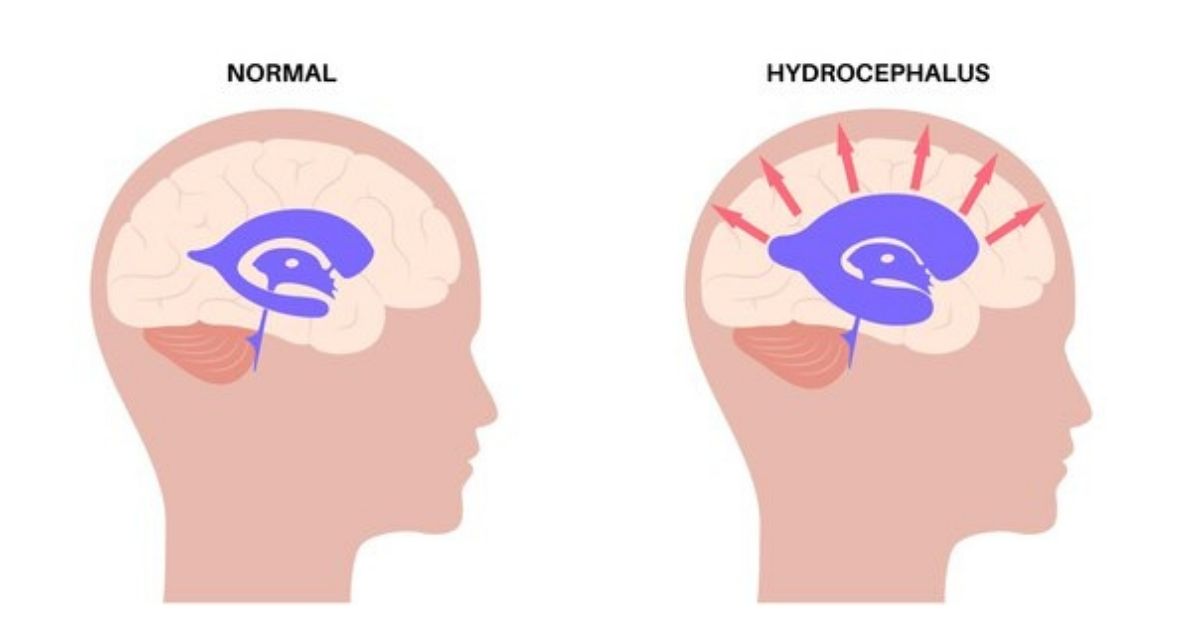
Hydrocephalus is a neurological condition characterized by the accumulation of excess cerebrospinal fluid (CSF) within the brain’s ventricles. This buildup increases pressure inside the skull, potentially damaging brain tissues and affecting normal brain function. Hydrocephalus can occur at any age—from infants to older adults—and requires timely diagnosis and appropriate treatment to prevent complications.
What is Hydrocephalus?
Cerebrospinal fluid is a clear fluid that surrounds and protects the brain and spinal cord. It normally flows through the ventricles and is absorbed into the bloodstream. Hydrocephalus occurs when this balance is disrupted due to:
- Excess production of CSF (rare)
- Blockage in CSF flow (obstructive hydrocephalus)
- Poor absorption of CSF (communicating hydrocephalus)
As fluid accumulates, the ventricles enlarge, increasing pressure on the brain.
Types of Hydrocephalus
- Congenital Hydrocephalus: Present at birth due to developmental abnormalities
- Acquired Hydrocephalus: Develops later due to injury, infection, or tumors
- Normal Pressure Hydrocephalus (NPH): Common in older adults with normal pressure but enlarged ventricles
- Obstructive (Non-communicating): Caused by blockage in CSF pathways
- Communicating Hydrocephalus: Impaired absorption of CSF
Paediatric Hydrocephalus
Hydrocephalus in children often presents early in life and requires specialized care.
Causes in Children
- Birth defects (e.g., spina bifida)
- Premature birth and brain hemorrhage
- Infections during pregnancy
- Genetic abnormalities
- Brain tumors
Symptoms in Infants and Children
- Rapid increase in head size
- Bulging soft spot (fontanelle)
- Vomiting and irritability
- Poor feeding
- Developmental delays
- Seizures
Early diagnosis is crucial to support normal brain development.
Adult Hydrocephalus
Hydrocephalus in adults may develop due to various conditions or age-related changes.
Causes in Adults
- Brain injury or trauma
- Brain tumors
- Stroke or hemorrhage
- Infections such as meningitis
- Aging-related changes (NPH)
Symptoms in Adults
- Persistent headaches
- Difficulty walking or balance issues
- Memory problems or confusion
- Urinary incontinence (common in NPH)
- Vision disturbances
Symptoms in adults can be subtle and may be mistaken for other neurological conditions.
Key Differences: Paediatric vs Adult Hydrocephalus
| Feature | Paediatric | Adult |
|---|---|---|
| Onset | Birth or early childhood | Later in life |
| Head Size | Enlarged head in infants | Normal skull size |
| Symptoms | Developmental delay, vomiting | Gait disturbance, memory loss |
| Causes | Congenital, infections | Trauma, tumors, aging |
Diagnosis of Hydrocephalus
Accurate diagnosis involves clinical evaluation and imaging studies:
- Ultrasound (in infants): Through the fontanelle
- MRI (Magnetic Resonance Imaging): Detailed brain imaging
- CT Scan: Quick assessment in emergencies
- Neurological Examination: Evaluates brain function
Early diagnosis helps prevent permanent brain damage.
Treatment Options
Treatment aims to reduce fluid buildup and relieve pressure on the brain.
- Ventriculoperitoneal (VP) Shunt
The most common treatment:
- A thin tube is placed in the brain ventricles
- Drains excess fluid into the abdomen
- Provides long-term control of CSF
- Endoscopic Third Ventriculostomy (ETV)
A minimally invasive procedure:
- Creates a new pathway for CSF flow
- Avoids the need for a permanent shunt in some cases
- Treatment of Underlying Cause
- Tumor removal
- Infection management
- Control of bleeding
Benefits of Early Treatment
- Prevents brain damage
- Supports normal development in children
- Improves cognitive and physical function
- Enhances quality of life
Risks and Complications
- Shunt malfunction or blockage
- Infection
- Over-drainage or under-drainage of fluid
- Need for revision surgeries
Regular follow-up is essential to monitor treatment effectiveness.
Recovery and Rehabilitation
Recovery depends on the severity and duration of the condition.
- Children: May need developmental therapies
- Adults: May require physiotherapy and cognitive rehabilitation
- Follow-Up: Regular imaging and clinical assessments
Early intervention improves recovery outcomes significantly.
Role of a Neurospine Surgeon
An experienced neurospine surgeon plays a key role in:
- Accurate diagnosis and treatment planning
- Performing shunt placement or endoscopic surgery
- Managing complications
- Providing long-term care and monitoring
Lifestyle and Long-Term Care
- Regular medical check-ups
- Monitoring for symptoms of shunt failure
- Maintaining a healthy lifestyle
- Awareness of warning signs such as headache, vomiting, or confusion