AV Fistula Embolization
AV fistula embolization is a highly specialized endovascular procedure used to treat abnormal connections between arteries and veins, known as arteriovenous fistulas (AVFs). These abnormal vascular connections can disrupt normal blood flow, increase pressure within blood vessels, and lead to serious neurological complications if left untreated.
Our expert neurointerventional team offers advanced AV fistula embolization using state-of-the-art imaging and minimally invasive techniques to safely close abnormal vascular connections and restore normal circulation.
What is an Arteriovenous Fistula (AVF)?
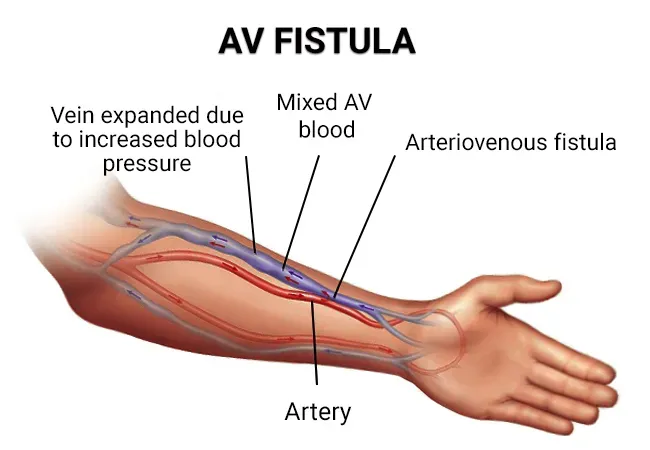
An arteriovenous fistula (AVF) is an abnormal direct connection between an artery and a vein without the normal capillary network in between. This causes high-pressure arterial blood to flow directly into veins, leading to abnormal vascular stress and impaired circulation.
AV fistulas may occur in the brain, spinal cord, dura (covering of the brain), or other parts of the body. Neurovascular AV fistulas often require specialized treatment to prevent complications such as hemorrhage, stroke, and neurological deficits.
Types of AV Fistulas Treated
- Dural Arteriovenous Fistula (DAVF)
A dural arteriovenous fistula is an abnormal connection located within the dura mater, the protective covering surrounding the brain and spinal cord. - Carotid Cavernous Fistula (CCF)
A carotid cavernous fistula occurs when there is an abnormal connection between the carotid artery and the cavernous sinus behind the eye. - Spinal Arteriovenous Fistula
A spinal AV fistula affects blood vessels around the spinal cord and may lead to progressive neurological symptoms if untreated. - Cerebral Arteriovenous Fistula
These rare vascular abnormalities occur within the blood vessels of the brain and may require advanced endovascular treatment.
Symptoms of an AV Fistula
Symptoms depend on the location and severity of the fistula and may include:
- Persistent headaches
- Pulsatile tinnitus (whooshing sound in the ear)
- Vision changes
- Eye redness or swelling
- Double vision
- Seizures
- Weakness or numbness
- Difficulty walking
- Balance problems
- Neurological deficits
- Brain hemorrhage
Early diagnosis and treatment can help prevent serious complications.
Why is AV Fistula Embolization Performed?
AV fistula embolization is performed to:
- Close abnormal artery-to-vein connections
- Prevent bleeding and hemorrhage
- Reduce neurological symptoms
- Restore normal blood flow patterns
- Protect brain and spinal cord function
- Relieve vascular pressure
- Improve quality of life
In many cases, embolization is considered the first-line treatment option.
How is AV Fistula Embolization Performed?
- Step 1: Diagnostic Evaluation
Comprehensive imaging may include:
- MRI
- CT Scan
- CT Angiography (CTA)
- MR Angiography (MRA)
- Digital Subtraction Angiography (DSA)
These studies help identify the location and anatomy of the fistula.
- Step 2: Catheter Navigation
A microcatheter is inserted through an artery in the wrist or groin and guided to the abnormal blood vessels using advanced imaging technology. - Step 3: Embolization
Specialized embolic materials such as liquid embolic agents, coils, or particles are delivered to seal the abnormal vascular connection. - Step 4: Confirmation Imaging
Post-treatment angiography confirms successful closure of the fistula and restoration of normal circulation.
Benefits of AV Fistula Embolization
- Minimally invasive treatment
- No open surgery required
- Reduced risk of hemorrhage
- Improved neurological function
- Faster recovery
- Shorter hospital stay
- Precise and targeted treatment
- High success rates
- Reduced recurrence risk
Recovery After AV Fistula Embolization
Most patients recover quickly following the procedure.
Recovery may include:
- Neurological monitoring
- Short hospital observation
- Follow-up imaging studies
- Medication management
- Gradual return to normal activities
Regular follow-up helps ensure long-term treatment success.
Risks and Potential Complications
Although generally safe, potential risks may include:
- Stroke
- Bleeding
- Blood vessel injury
- Temporary neurological symptoms
- Infection
- Contrast dye reactions
- Rare recurrence of the fistula
Our neurointerventional specialists use advanced technology and meticulous techniques to minimize these risks.
Why Choose Our Neurovascular Center?
- Expertise in complex neurovascular disorders
- Advanced AV fistula embolization procedures
- State-of-the-art neuroangiography facilities
- Experienced neurointerventional specialists
- Comprehensive cerebrovascular care
- Personalized treatment plans
- Multidisciplinary neuroscience team
We are committed to delivering innovative, minimally invasive solutions for patients with complex vascular disorders affecting the brain and spinal cord.