Carotid, Vertebral and Intracranial Stenting
Carotid, vertebral, and intracranial stenting are minimally invasive endovascular procedures used to treat narrowing (stenosis) or blockage of arteries that supply blood to the brain. These advanced treatments help restore healthy blood flow, reduce the risk of stroke, and improve overall cerebrovascular health.
Our experienced neurointerventional specialists provide state-of-the-art stenting procedures using advanced imaging and catheter-based techniques to treat complex vascular conditions safely and effectively.
What is Arterial Stenosis?
Arterial stenosis occurs when blood vessels become narrowed due to the buildup of fatty deposits, plaque, or other vascular abnormalities. Reduced blood flow to the brain can significantly increase the risk of transient ischemic attacks (TIAs), stroke, and neurological complications.
Timely diagnosis and treatment can help prevent serious cerebrovascular events and improve long-term outcomes.
Types of Neurovascular Stenting
Carotid Artery Stenting
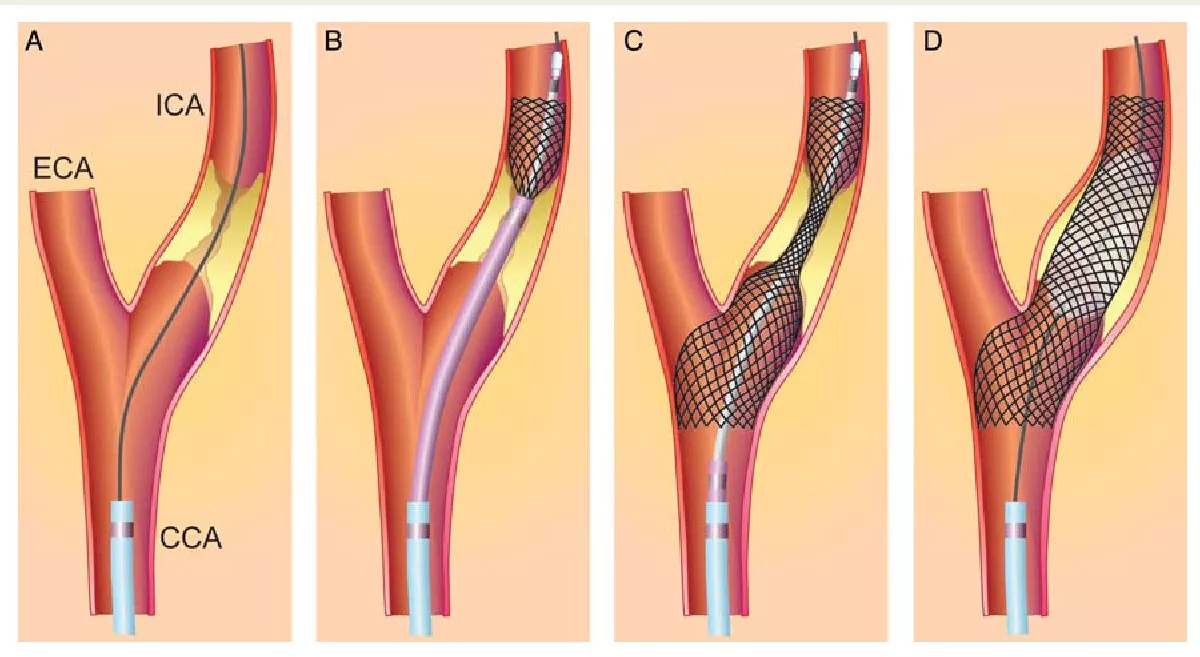
Carotid artery stenting is performed to treat narrowing of the carotid arteries, which are the major blood vessels located on either side of the neck that supply blood to the brain.
The procedure helps reduce the risk of stroke in patients with significant carotid artery disease.
Vertebral Artery Stenting
Vertebral artery stenting is used to treat narrowing of the vertebral arteries, which supply blood to the brainstem, cerebellum, and posterior regions of the brain.
This procedure helps improve blood flow and reduce symptoms associated with vertebrobasilar insufficiency.
Intracranial Stenting
Intracranial stenting is performed within the arteries located inside the brain. It is typically used to treat severe intracranial arterial stenosis that may increase the risk of recurrent stroke despite medical therapy.
Advanced endovascular techniques allow precise treatment of these delicate blood vessels while preserving normal cerebral circulation.
Conditions Treated
Neurovascular stenting may be recommended for:
- Carotid artery stenosis
- Vertebral artery stenosis
- Intracranial arterial stenosis
- Recurrent transient ischemic attacks (TIAs)
- Ischemic stroke prevention
- Cerebrovascular insufficiency
- Atherosclerotic vascular disease
- Symptomatic arterial narrowing
- Reduced blood flow to the brain
Symptoms of Arterial Narrowing
Patients may experience:
- Transient ischemic attacks (mini-strokes)
- Sudden weakness or numbness
- Speech difficulties
- Vision loss or blurred vision
- Dizziness
- Balance problems
- Memory disturbances
- Facial weakness
- Recurrent stroke symptoms
Prompt medical evaluation is important when these symptoms occur.
How is Neurovascular Stenting Performed?
- Step 1: Diagnostic Evaluation
Advanced imaging studies may include:
- CT Angiography (CTA)
- MR Angiography (MRA)
- Carotid Doppler Ultrasound
- Cerebral Angiography
- Neurological Assessment
- Step 2: Catheter-Based Access
A catheter is inserted through an artery in the wrist or groin and guided to the affected blood vessel. - Step 3: Balloon Angioplasty
A small balloon may be inflated to widen the narrowed artery and improve blood flow. - Step 4: Stent Placement
A specialized stent is deployed to support the artery and keep it open permanently. - Step 5: Blood Flow Restoration
The stent restores normal blood flow to the brain and reduces the risk of future cerebrovascular events.
Benefits of Carotid, Vertebral, and Intracranial Stenting
- Minimally invasive treatment
- Reduced stroke risk
- Improved cerebral blood flow
- Faster recovery than open surgery
- Smaller incision and less discomfort
- Shorter hospital stay
- Effective long-term vessel support
- Enhanced quality of life
- Prevention of recurrent neurological events
Recovery After Stenting
Most patients recover quickly following the procedure.
Recovery typically includes:
- Short hospital observation
- Neurological monitoring
- Antiplatelet medications
- Lifestyle modifications
- Follow-up vascular imaging
- Regular specialist consultations
Patients can often return to normal activities within a short period based on their physician's recommendations.
Risks and Potential Complications
Although generally safe and highly effective, potential risks may include:
- Stroke
- Blood clot formation
- Bleeding at the access site
- Arterial injury
- Restenosis (re-narrowing of the artery)
- Allergic reaction to contrast dye
- Infection
Our neurointerventional team employs advanced safety protocols and imaging guidance to minimize these risks.
Why Choose Our Neurovascular Center?
- Expertise in complex cerebrovascular interventions
- Advanced carotid, vertebral, and intracranial stenting procedures
- State-of-the-art angiography technology
- Comprehensive stroke prevention programs
- Experienced neurointerventional specialists
- Personalized treatment planning
- Multidisciplinary neuroscience team
We are committed to delivering world-class neurovascular care focused on stroke prevention, improved blood flow, and long-term patient well-being.