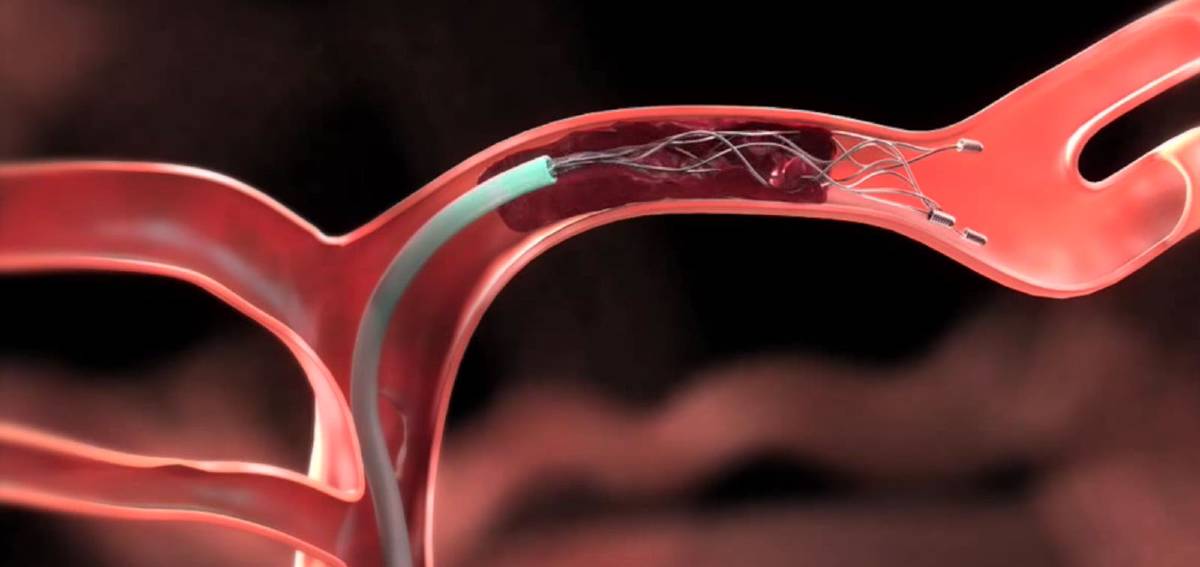
Mechanical Thrombectomy for Stroke
Mechanical thrombectomy is a highly effective, minimally invasive procedure used to remove blood clots from blocked arteries in the brain during an acute ischemic stroke. This advanced treatment can restore blood flow, reduce brain damage, and significantly improve recovery outcomes when performed promptly by experienced neurointerventional specialists.
At our comprehensive stroke center, we provide 24/7 emergency stroke care using state-of-the-art imaging and advanced endovascular techniques to deliver life-saving treatment for patients experiencing a stroke.
What is Mechanical Thrombectomy?
Mechanical thrombectomy is a specialized procedure in which a neurointerventional surgeon or interventional neuroradiologist uses a catheter-based technique to physically remove a blood clot from a blocked blood vessel in the brain.
The procedure is primarily used to treat large vessel occlusion (LVO) strokes, which occur when a major artery supplying blood to the brain becomes blocked.
By restoring blood flow quickly, mechanical thrombectomy helps preserve brain tissue and improves the chances of recovery.
When is Mechanical Thrombectomy Recommended?
Mechanical thrombectomy may be recommended for patients who:
- Have an acute ischemic stroke
- Have a large artery blockage in the brain
- Experience sudden stroke symptoms
- Are eligible based on brain imaging results
- Present within the recommended treatment window
- May benefit from clot removal even after receiving clot-busting medications
A stroke specialist will determine eligibility through rapid clinical assessment and advanced imaging studies.
Signs and Symptoms of Stroke
Seek emergency medical attention immediately if you notice:
- Sudden weakness or numbness on one side of the body
- Facial drooping
- Difficulty speaking or understanding speech
- Sudden vision changes
- Loss of balance or coordination
- Severe headache with no known cause
- Confusion or altered consciousness
Remember the acronym FAST:
- F – Face drooping
- A – Arm weakness
- S – Speech difficulty
- T – Time to call emergency services
How is Mechanical Thrombectomy Performed?
The procedure is performed in a specialized neurointerventional suite.
- Step 1: Vascular Access
A small catheter is inserted through an artery in the wrist or groin. - Step 2: Navigation to the Brain
Using real-time imaging guidance, the catheter is advanced through the blood vessels to reach the blocked artery. - Step 3: Clot Removal
Specialized devices such as stent retrievers or aspiration catheters are used to capture and remove the clot. - Step 4: Blood Flow Restoration
Once the clot is removed, normal blood circulation to the affected area of the brain is restored.
The procedure typically takes between 30 minutes and several hours, depending on the complexity of the blockage.
Benefits of Mechanical Thrombectomy
- Rapid restoration of blood flow to the brain
- Reduced risk of permanent disability
- Improved neurological recovery
- Minimally invasive treatment approach
- Shorter hospital stay for many patients
- Better long-term functional outcomes
- Effective treatment for large vessel occlusion strokes
Recovery After Mechanical Thrombectomy
Recovery varies depending on the severity of the stroke and the speed of treatment.
Post-procedure care may include:
- Intensive neurological monitoring
- Brain imaging follow-up
- Stroke rehabilitation programs
- Physical therapy
- Occupational therapy
- Speech therapy
- Medication management
Many patients experience significant improvement when treatment is performed quickly after stroke onset.
Risks and Complications
Although mechanical thrombectomy is considered safe and effective, potential risks include:
- Bleeding in the brain
- Blood vessel injury
- Recurrent stroke
- Infection
- Allergic reaction to contrast dye
- Access site complications
Your stroke care team will discuss all risks and benefits before treatment whenever possible.
Why Choose Our Stroke Care Center?
- 24/7 emergency stroke treatment
- Experienced neurointerventional specialists
- Advanced neuroimaging technology
- Comprehensive stroke rehabilitation services
- Multidisciplinary stroke care team
- Evidence-based treatment protocols
- Personalized patient care and follow-up
We are committed to providing rapid diagnosis and advanced stroke intervention to maximize recovery and improve quality of life.