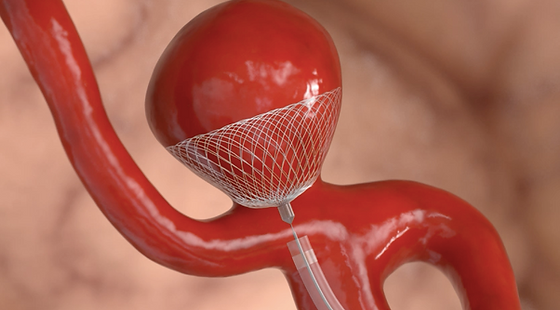
Intrasaccular Device Placement for Brain Aneurysms
Intrasaccular device placement is an innovative endovascular treatment used to manage selected brain aneurysms, particularly wide-necked and complex aneurysms. This minimally invasive procedure involves placing a specialized device directly inside the aneurysm sac to disrupt blood flow, promote clot formation, and prevent aneurysm rupture.
Our neurointerventional specialists offer advanced aneurysm treatment using the latest intrasaccular technologies, providing effective alternatives to traditional coiling and open surgical procedures.
What is an Intrasaccular Device?
An intrasaccular device is a specially designed implant that is deployed entirely within the aneurysm sac. Unlike traditional stents that are placed inside the parent blood vessel, intrasaccular devices work from within the aneurysm itself.
The device alters blood flow into the aneurysm, encouraging natural clot formation and eventual sealing of the aneurysm from circulation.
Who May Benefit from Intrasaccular Device Placement?
This treatment may be recommended for patients with:
- Wide-necked brain aneurysms
- Complex intracranial aneurysms
- Bifurcation aneurysms
- Unruptured aneurysms
- Selected ruptured aneurysms
- Aneurysms not suitable for conventional coiling
- Patients requiring minimally invasive treatment options
A detailed evaluation using advanced neuroimaging helps determine the most appropriate treatment approach.
Conditions Treated
Intrasaccular devices are commonly used to treat:
- Cerebral aneurysms
- Intracranial aneurysms
- Wide-neck bifurcation aneurysms
- Complex neurovascular aneurysms
- High-risk aneurysms with rupture potential
- Recurrent aneurysms after previous treatment
How is Intrasaccular Device Placement Performed?
- Step 1: Comprehensive Evaluation
Advanced imaging studies such as CT angiography, MR angiography, or cerebral angiography are performed to assess aneurysm size, shape, and location. - Step 2: Catheter Navigation
A microcatheter is inserted through an artery in the wrist or groin and carefully guided to the aneurysm under real-time imaging. - Step 3: Device Deployment
The intrasaccular device is placed directly within the aneurysm sac, where it conforms to the aneurysm anatomy and reduces blood flow into the aneurysm. - Step 4: Confirmation Imaging
Specialized imaging is used to confirm accurate placement and adequate aneurysm coverage. - Step 5: Recovery and Monitoring
Patients are monitored closely after the procedure and scheduled for follow-up imaging to evaluate long-term aneurysm occlusion.
Benefits of Intrasaccular Device Placement
- Minimally invasive procedure
- No open brain surgery
- Effective treatment for wide-neck aneurysms
- Reduced risk of aneurysm rupture
- Shorter hospital stay
- Faster recovery compared to surgical clipping
- Preservation of normal blood vessel anatomy
- Reduced need for complex adjunctive techniques
- Improved long-term aneurysm closure rates
Advantages Over Traditional Treatments
For selected aneurysms, intrasaccular devices may offer advantages over conventional coiling or stent-assisted procedures by providing:
- Simplified aneurysm treatment
- Enhanced aneurysm neck coverage
- Lower procedural complexity
- Effective treatment of bifurcation aneurysms
- Reduced metal exposure within the parent artery
Treatment selection depends on aneurysm characteristics and individual patient factors.
Recovery After the Procedure
Most patients recover quickly following intrasaccular device placement.
Recovery typically includes:
- Short hospital observation
- Neurological monitoring
- Medication management
- Follow-up angiographic imaging
- Gradual return to normal activities
The healthcare team provides individualized post-procedure care instructions to support optimal recovery.
Risks and Potential Complications
Although generally safe and effective, potential risks may include:
- Stroke
- Bleeding
- Blood clot formation
- Device migration
- Vessel injury
- Infection
- Aneurysm recurrence
Our experienced neurointerventional team takes every precaution to minimize these risks and maximize treatment success.
Why Choose Our Neurovascular Center?
- Expertise in advanced brain aneurysm treatment
- Specialized neurointerventional surgeons
- State-of-the-art angiography suites
- Advanced minimally invasive techniques
- Comprehensive neurovascular care
- Personalized treatment planning
- Multidisciplinary neuroscience team
We are committed to delivering world-class aneurysm care using the latest innovations in neurointerventional medicine.