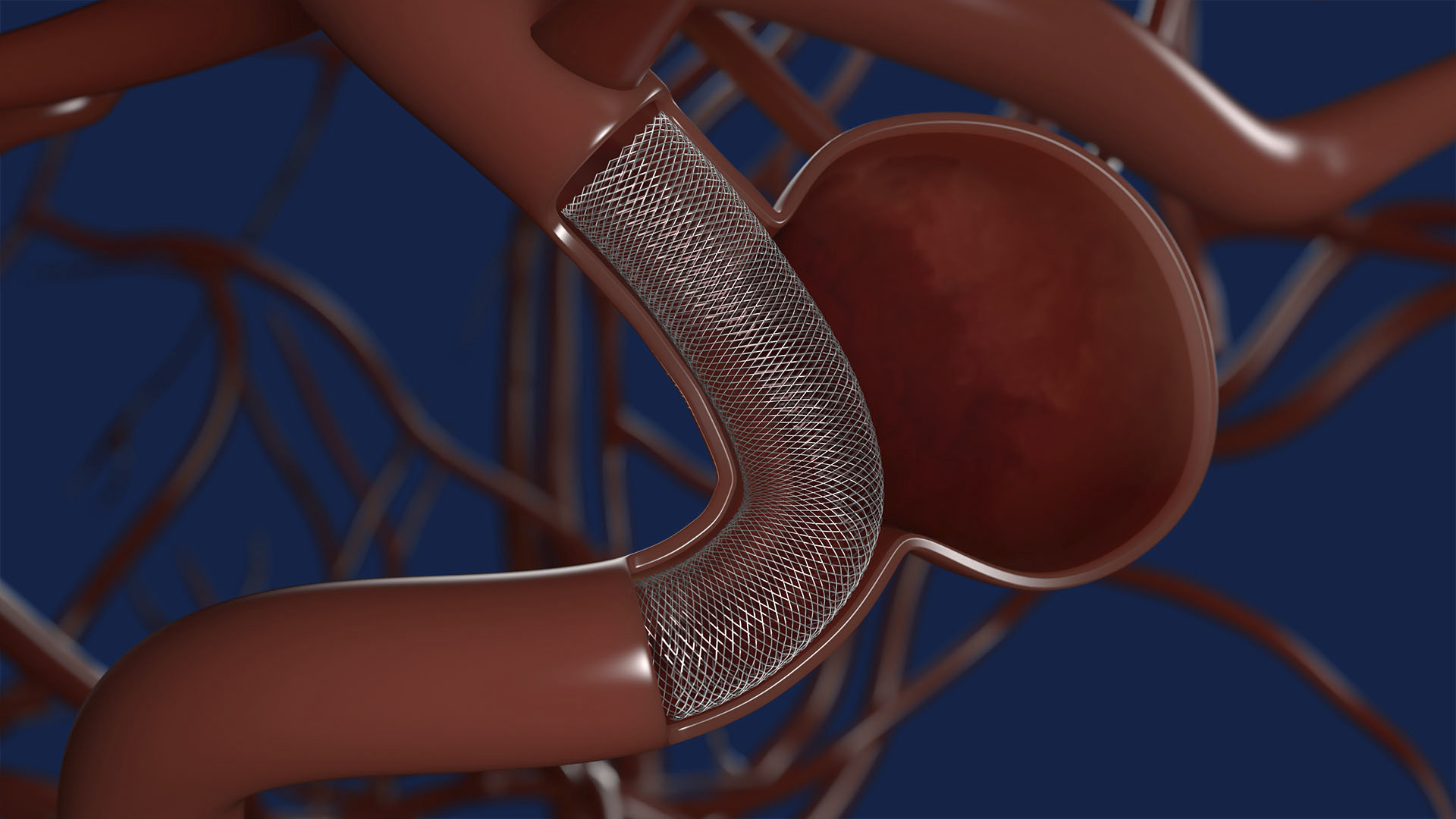
Flow Diversion for Giant Aneurysms
Flow diversion is a cutting-edge, minimally invasive endovascular treatment designed for large, giant, and complex brain aneurysms that may be difficult to treat with traditional coiling or surgical clipping. By redirecting blood flow away from the aneurysm, flow diverter devices promote natural healing of the blood vessel while reducing the risk of aneurysm growth and rupture.
Our expert neurointerventional specialists offer advanced flow diversion procedures using the latest technology to provide safe, effective, and long-lasting treatment for challenging intracranial aneurysms.
What is a Giant Brain Aneurysm?
A giant brain aneurysm is an abnormal bulge in a blood vessel within the brain that measures more than 25 millimeters in diameter. These aneurysms carry a higher risk of rupture, neurological complications, and pressure on surrounding brain structures.
Because of their size and complexity, giant aneurysms often require specialized treatment approaches beyond conventional aneurysm therapies.
What is Flow Diversion?
Flow diversion is an advanced endovascular technique that uses a specially designed mesh-like device called a flow diverter stent. The device is placed within the parent artery across the neck of the aneurysm.
The flow diverter redirects blood flow away from the aneurysm sac while maintaining normal blood circulation through the artery. Over time, the aneurysm gradually clots off, shrinks, and becomes sealed from the circulation as the blood vessel heals naturally.
Who is a Candidate for Flow Diversion?
Flow diversion may be recommended for patients with:
- Giant brain aneurysms
- Large intracranial aneurysms
- Wide-neck aneurysms
- Complex aneurysms
- Fusiform aneurysms
- Recurrent aneurysms after previous treatment
- Aneurysms not suitable for coiling or clipping
- Internal carotid artery aneurysms
- Unruptured high-risk aneurysms
A comprehensive neurovascular evaluation helps determine the most appropriate treatment plan.
Symptoms of Giant Brain Aneurysms
Some giant aneurysms may remain asymptomatic, while others can cause:
- Chronic headaches
- Vision problems
- Double vision
- Facial numbness
- Eye movement abnormalities
- Difficulty speaking
- Balance issues
- Seizures
- Neurological weakness
A ruptured aneurysm can lead to sudden severe headache, loss of consciousness, stroke, and life-threatening bleeding.
How is Flow Diversion Performed?
- Step 1: Pre-Procedure Assessment
Detailed imaging studies such as CT angiography, MR angiography, and cerebral angiography are performed to evaluate aneurysm anatomy. - Step 2: Catheter-Based Access
A catheter is inserted through an artery in the wrist or groin and carefully guided to the affected blood vessel in the brain. - Step 3: Flow Diverter Placement
The flow diverter device is deployed across the aneurysm neck within the parent artery. - Step 4: Blood Flow Redirection
The device reduces blood flow entering the aneurysm while preserving circulation through the normal artery and branch vessels. - Step 5: Vessel Healing
Over weeks to months, the aneurysm gradually seals off and the artery undergoes natural reconstruction.
Benefits of Flow Diversion
- Minimally invasive treatment
- No open brain surgery
- Effective for large and giant aneurysms
- Long-term aneurysm occlusion
- Reduced risk of aneurysm rupture
- Preservation of the parent blood vessel
- Shorter recovery time
- Treatment of complex aneurysm anatomy
- Durable and effective outcomes
Recovery After Flow Diversion
Recovery is generally faster than traditional open surgical procedures.
Patients may require:
- Short hospital stay
- Neurological monitoring
- Antiplatelet medications
- Follow-up angiography or imaging
- Regular neurovascular evaluations
Most individuals can gradually return to normal daily activities based on their physician's recommendations.
Risks and Potential Complications
Although flow diversion is considered highly effective, potential risks include:
- Stroke
- Blood clot formation
- Bleeding complications
- Device-related complications
- Vessel narrowing
- Delayed aneurysm rupture (rare)
- Infection
Our neurointerventional experts utilize advanced imaging and procedural techniques to minimize risks and optimize treatment outcomes.
Why Choose Our Neurovascular Team?
- Expertise in complex aneurysm management
- Advanced flow diverter technology
- Highly experienced neurointerventional specialists
- Comprehensive neurovascular care
- State-of-the-art angiography facilities
- Personalized treatment planning
- Multidisciplinary neuroscience team
We are dedicated to providing innovative, minimally invasive treatments for patients with complex and giant brain aneurysms.